Introduction to Day Trading Strategies and Risk Management
Introduction to Day Trading
What Is Day Trading?
Day trading is a fast-paced approach to the financial markets. Unlike long-term investors who might buy a stock and hold it for years, day traders buy and sell financial instruments within a single trading day. The goal is to profit from small, short-term price fluctuations.
Day trading is the act of buying and selling a financial instrument within the same day or even multiple times over the course of a day.
A key characteristic of this style is that all positions are closed before the market shuts down for the day. This means no holding stocks, options, or futures overnight. By selling everything, day traders avoid the risks that can come from after-hours news or events that might cause a security's price to change dramatically by the next morning's opening bell.
Commonly Traded Instruments
Day traders aren't limited to just one type of asset. They operate across various markets, looking for volatility and opportunity. Some of the most common instruments include:
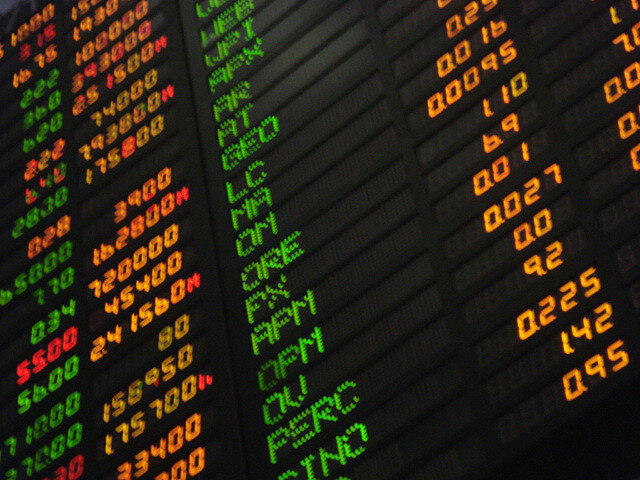
- Stocks: Shares of ownership in a public company. Traders profit from the daily ups and downs in stock prices.
- Options: Contracts that give the holder the right, but not the obligation, to buy or sell an underlying asset at a specified price on or before a certain date. Their value can change rapidly, making them popular for day trading.
- Futures: Agreements to buy or sell a commodity or financial instrument at a predetermined price at a specific time in the future. These are common in markets for things like oil, gold, and stock indexes.
The Rules of the Game
Day trading isn't a free-for-all. In the United States, the Financial Industry Regulatory Authority (FINRA) sets rules to protect traders and the market. One of the most important rules for aspiring day traders to understand is the 'pattern day trader' designation.
This rule specifically applies to traders who use a margin account, which is an account that lets you borrow money from your broker to trade.
FINRA defines a pattern day trader as someone who makes four or more 'day trades' within five business days, provided the number of day trades represents more than six percent of their total trading activity during that same period.
Day Trade
noun
The action of buying and then selling (or selling short and then buying to cover) the same security on the same day in a margin account.
Once your account is flagged as a pattern day trader, you must maintain a minimum account balance of $25,000. This isn't just a one-time deposit; your account equity must not drop below this amount. If it does, you won't be permitted to make any more day trades until you restore the balance.
It requires a maintained minimum equity level of $25,000 to day trade as a pattern day trader.
This rule exists to ensure that only traders with a significant financial cushion are engaging in this high-frequency, high-risk activity. Understanding these foundational rules is a critical first step before placing a single trade.
What is the primary characteristic that defines day trading?
True or False: A primary reason day traders close their positions daily is to avoid risks from after-hours news or events.