Introduction to Data Science
Introduction to Data Science
What Is Data Science?
Data science is the practice of extracting knowledge and insights from data. Think of it as a blend of detective work, storytelling, and science. Data scientists sift through vast amounts of information, both structured and unstructured, to uncover patterns and trends that can help organizations make better decisions.
At its core, data science is about using data to answer questions and solve problems.
It’s not just one skill, but a combination of several fields. The three essential pillars of data science are computer science, statistics, and domain expertise. Without any one of these, the stool wobbles.
Computer science provides the tools to collect, manage, and process large datasets. This includes skills in programming, databases, and system architecture.
Statistics is the mathematical foundation for making sense of data. It provides the methods to test hypotheses, identify significant patterns, and build predictive models.
Domain expertise is the crucial context. It's the deep understanding of a particular industry or subject area, like finance, healthcare, or marketing. This knowledge helps a data scientist ask the right questions and interpret the results correctly.
The Evolution and Impact
The term "data science" is relatively new, but the practice isn't. People have been analyzing data for centuries. What's changed is the sheer scale and speed of data creation. The rise of the internet, social media, and connected devices created an explosion of information known as "big data."
This flood of data required new tools and techniques to analyze, moving beyond traditional spreadsheets and databases. This is where modern data science, powered by machine learning and powerful computing, came into its own. Today, it drives innovation in nearly every industry.
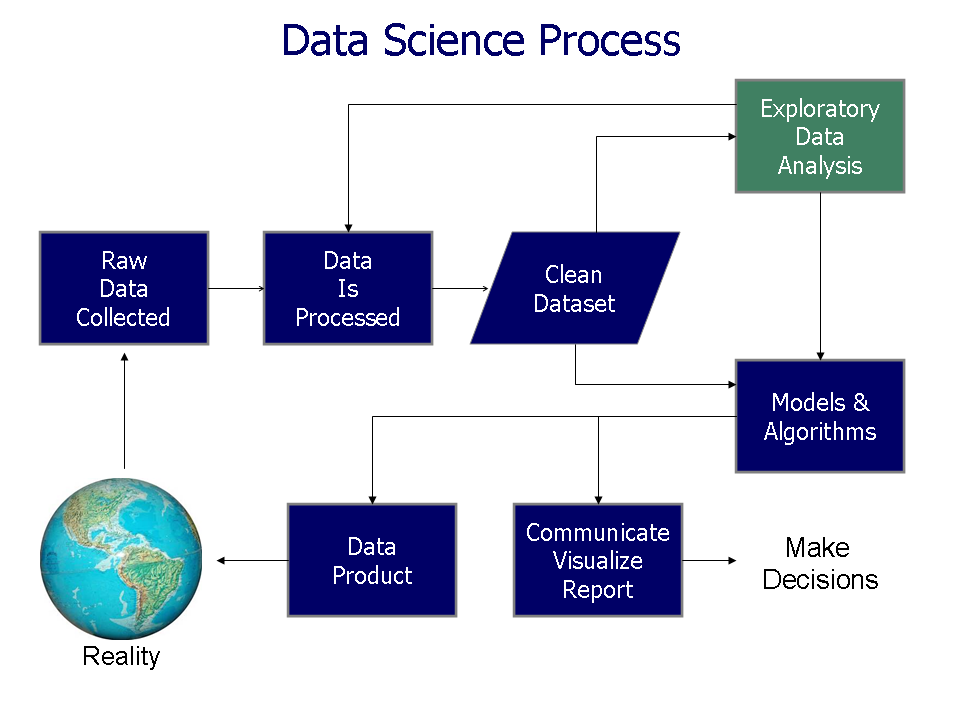
Data science helps businesses understand their customers, personalize products, and optimize their operations. It's not just about crunching numbers; it's about transforming raw data into a strategic asset.
| Industry | Application | Example |
|---|---|---|
| E-commerce | Recommendation Engines | Suggesting products you might like based on past purchases. |
| Healthcare | Disease Prediction & Diagnosis | Identifying patients at high risk for certain conditions. |
| Finance | Fraud Detection & Algorithmic Trading | Flagging unusual credit card transactions in real-time. |
| Transportation | Route Optimization | Mapping the fastest delivery routes for a logistics company. |
| Entertainment | Content Personalization | Curating a streaming service's homepage based on your viewing history. |
This process of turning data into action is what makes data science one of the most significant fields in the modern world. It's about finding the signal in the noise and using it to build something better.
What is the primary goal of data science?
Which of the following is NOT considered one of the three essential pillars of data science?