Introduction to Data Science
Introduction to Data Science
What Is Data Science?
Data science is the art of extracting meaningful insights from data. Think of it like being a detective. Detectives gather clues (data), piece them together (analysis), and solve a mystery (gain insights). In the modern world, these clues aren't just fingerprints and witness statements; they're clicks, purchases, sensor readings, and social media posts.
The goal is simple: to turn raw information into understanding, and that understanding into smart decisions.
Every day, we create an enormous amount of data—more than 2.5 quintillion bytes, in fact. This explosion of information is why data science has become so significant. Companies, scientists, and governments can now answer complex questions that were previously out of reach, all by carefully analyzing the vast digital trails we leave behind.
A Mix of Skills
Data science isn't just one skill; it's a blend of several fields. It stands at the intersection of computer science, statistics, and domain expertise.
- Computer Science: This provides the tools to collect, store, and process large datasets. It's the technical backbone, involving programming and managing databases.
- Statistics: This is the science of learning from data. It gives us the methods to find patterns, make predictions, and understand uncertainty.
- Domain Expertise: This is the specialized knowledge of a particular field, like healthcare, finance, or marketing. You need to understand the context of the data to ask the right questions and interpret the results correctly.
The Data Science Journey
A data science project typically follows a series of steps, often called the data science process or lifecycle. While the specifics can vary, the core stages are consistent.
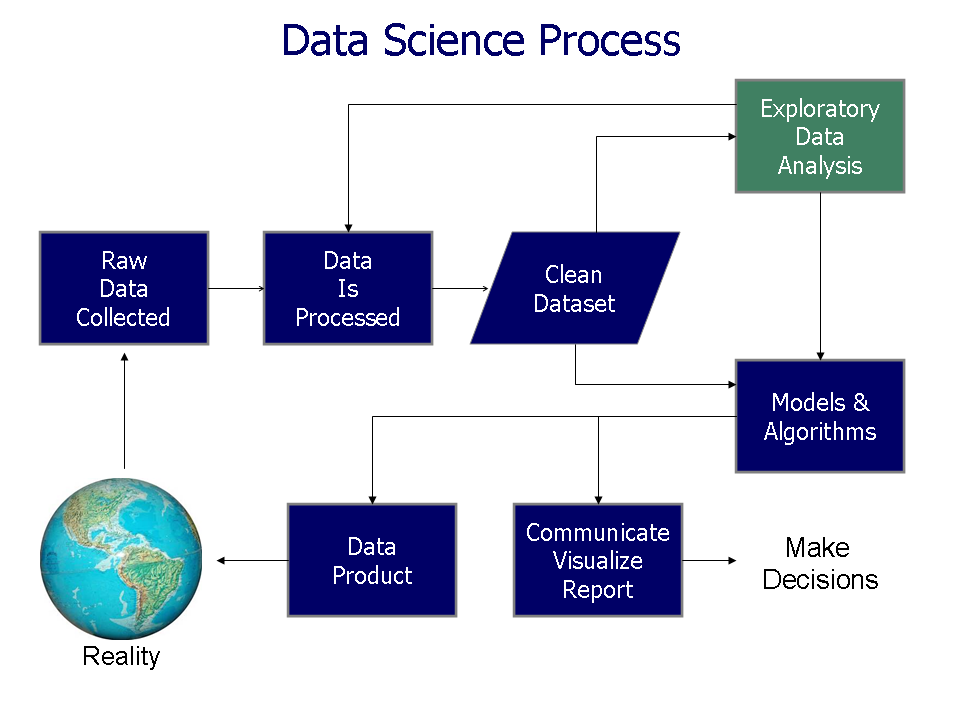
First comes data collection, where raw data is gathered from various sources. Next is data cleaning, a crucial step where errors, inconsistencies, and missing values are fixed to ensure the data is reliable.
Once the data is clean, the analysis begins. This is where data scientists explore the data, often using visualization tools to create charts and graphs that reveal trends and relationships. For more advanced insights, they apply machine learning techniques—algorithms that can learn patterns from data to make predictions or classify new information.
Data Science in Action
The applications of data science are everywhere.
In healthcare, it's used to predict diseases from medical images and patient records, leading to earlier diagnoses and better treatments. In finance, data science helps detect fraudulent transactions in real-time and assess credit risk more accurately.
E-commerce and marketing rely heavily on data science to power recommendation engines, like when a streaming service suggests a movie you might like. It also helps companies understand customer behavior to personalize advertising and improve products.
From optimizing shipping routes for logistics companies to helping farmers increase crop yields, data science is transforming how industries operate.
Time to review what we've learned.
Now, let's test your knowledge.
Data science is an interdisciplinary field that sits at the intersection of which three main areas?
In the data science lifecycle, what is the crucial step of fixing errors, inconsistencies, and missing values in the data called?
Data science is a powerful field that combines technology, statistics, and industry knowledge to uncover the stories hidden within data.