Introduction to Data Science
Introduction to Data Science
What Is Data Science?
Every day, we create a staggering amount of data. From the shows we stream and the items we buy online to medical records and satellite images, data is everywhere. But all this information is just noise until we can make sense of it. That's where data science comes in.
Data science is the practice of turning raw data into useful insights. It's a blend of different fields: the statistical know-how of a mathematician, the coding skills of a computer scientist, and the practical knowledge of a subject-matter expert, all rolled into one.
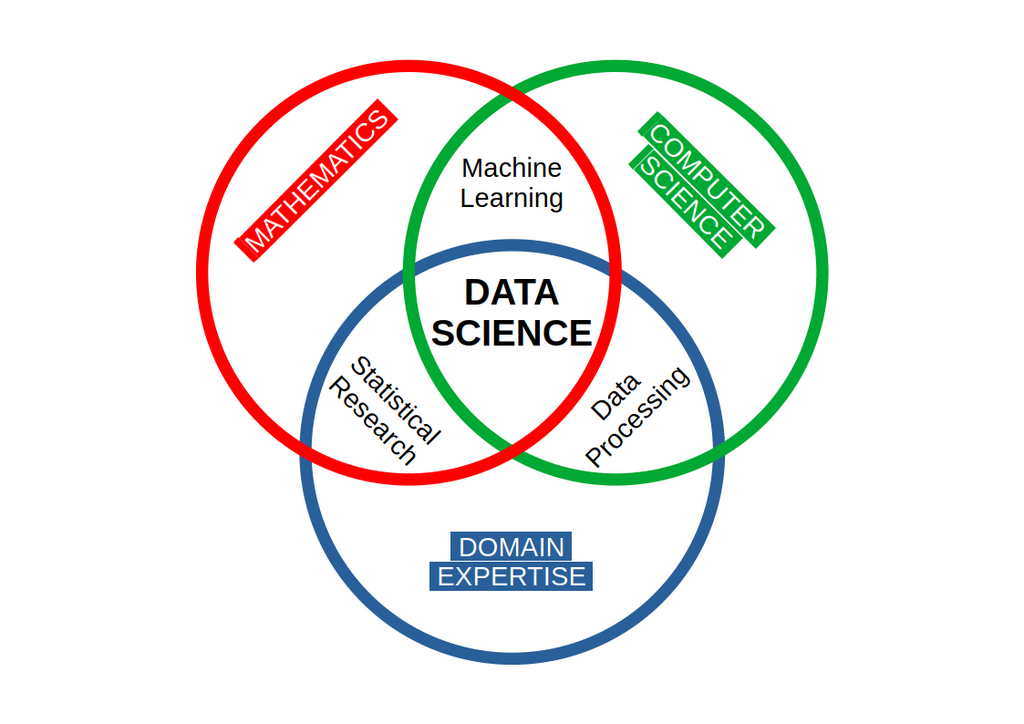
Think of a data scientist as a detective. They gather clues (data), look for patterns (analysis), and solve a mystery (answer a question or solve a business problem). This process helps organizations make better decisions, understand customer behavior, predict future trends, and create new products.
The core goal is simple: to ask the right questions and use data to find the answers.
The Data Science Lifecycle
Data science isn't a single action but a full cycle. While different models exist, most follow a similar path from a raw idea to a finished product. This structured approach ensures that projects are thorough and effective.
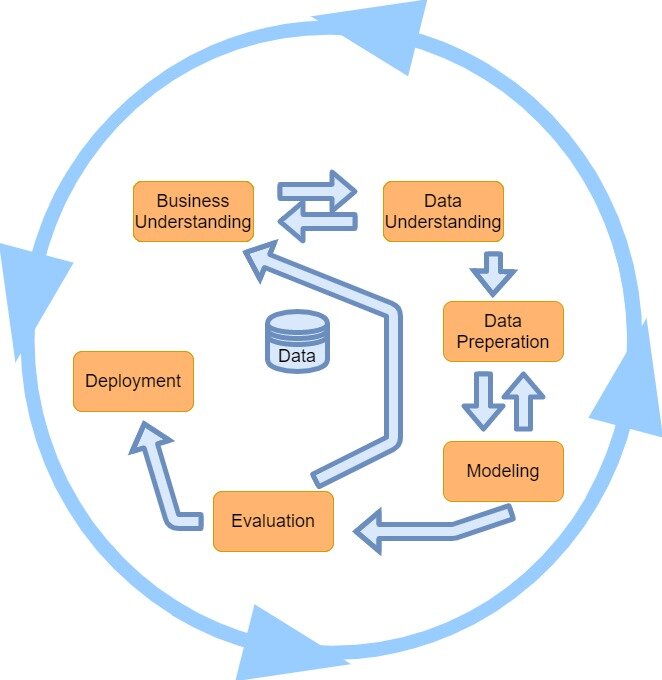
The lifecycle generally includes these key stages:
-
Business Understanding: It all starts with a question. What problem are we trying to solve? This could be anything from 'How can we reduce customer churn?' to 'Can we predict equipment failure?'
-
Data Collection: Once the goal is clear, data scientists find and gather the necessary data. This might come from internal databases, public datasets, or third-party sources.
-
Data Cleaning & Preparation: Raw data is almost always messy. It can have missing values, errors, or inconsistencies. This crucial step involves cleaning and formatting the data to make it usable for analysis.
-
Exploratory Data Analysis (EDA): Here, data scientists dig into the clean data to find patterns, spot anomalies, and form hypotheses. It's about getting a feel for what the data has to say.
-
Modeling: This is where machine learning often comes in. A model is a computer program trained on historical data to make predictions or decisions. For example, a model could be trained to identify spam emails based on past examples.
-
Evaluation & Communication: How well did the model perform? Do the findings actually answer the initial question? The results are then visualized through charts and graphs and communicated to stakeholders in a clear, understandable way. This storytelling aspect is critical.
-
Deployment: If the model is successful, it's put into production. This might mean integrating it into an app, a website, or a company's internal dashboard to provide ongoing value.
Data Science in Action
Data science is not just theoretical; it's transforming industries. You probably interact with its applications every day without realizing it.
When Netflix recommends a show you might like, that's data science. It analyzes your viewing history and compares it to millions of other users to predict what you'll enjoy next.
In healthcare, data science helps doctors predict diseases. By analyzing patient data and medical images, algorithms can detect early signs of conditions like cancer, enabling quicker treatment.
Banks use data science to detect fraudulent transactions. A model can learn your typical spending habits and flag any unusual activity in real time, protecting your account.
Logistics companies like UPS use data science to optimize delivery routes, saving fuel, time, and money by finding the most efficient path for their trucks.
Tools of the Trade
To perform their work, data scientists rely on a variety of tools. Chief among them are programming languages, which provide the power to manipulate data and build models at scale.
The two most popular programming languages in data science are Python and R. Both have huge communities and extensive libraries that simplify complex tasks.
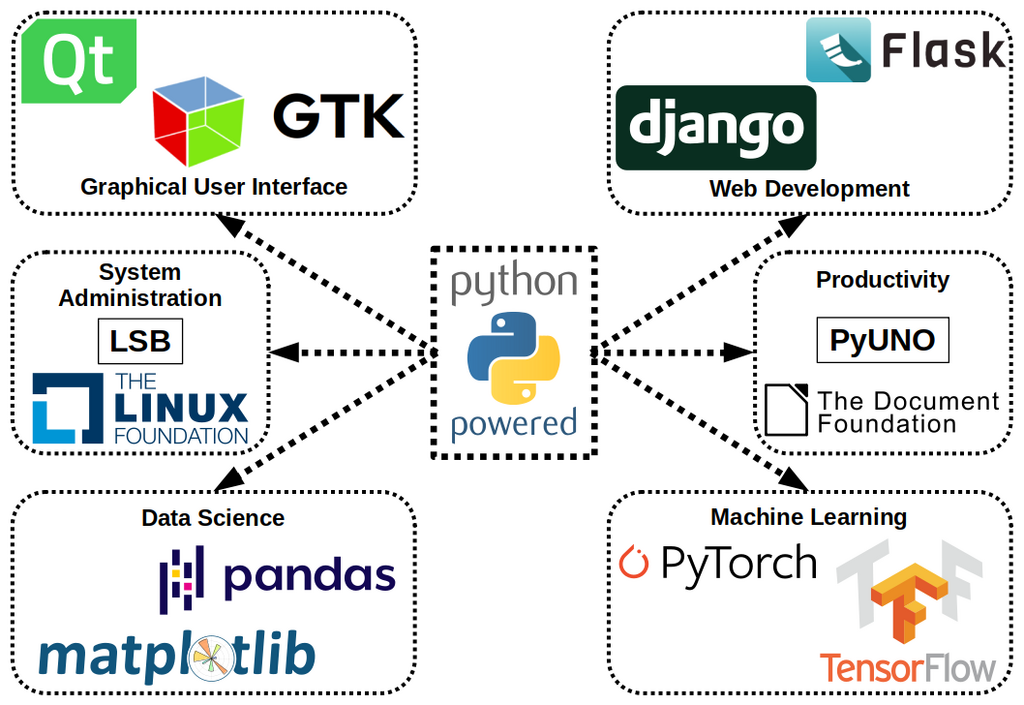
For Python, tools like Pandas are essential for data cleaning and analysis, while Matplotlib and Seaborn are used for creating compelling visualizations. Scikit-learn is a go-to library for implementing machine learning models.
Another critical tool is SQL (Structured Query Language), which is used to communicate with and extract data from databases. Before any analysis can happen, you often need to use SQL to pull the right information.
Now, let's test your understanding of these core concepts.
What is the primary goal of data science?
According to the typical data science lifecycle, what is the very first stage of any project?
Data science provides a powerful framework for navigating the modern world of information. By understanding its principles, you can begin to see how data is used to shape decisions and drive innovation everywhere.