Introduction to Data Science
Introduction to Data Science
What Is Data Science?
At its core, data science is the art of asking questions and finding answers in data. It's a process for turning raw information into meaningful insights. Think about the last time Netflix recommended a show you loved, or Amazon suggested a product you actually needed. That’s data science at work.
Businesses, scientists, and governments use it to make smarter decisions. By analyzing patterns in data, they can predict future trends, understand customer behavior, or even forecast disease outbreaks. The goal isn't just to look at what happened in the past, but to use that information to shape the future.
Data science is the discipline of extracting knowledge and insights from data to drive informed action.
A Mix of Skills
Data science isn't just one skill; it's a blend of several fields. To be effective, a data scientist needs to draw from three main areas of expertise.
1. Statistics and Math: This is the foundation. It provides the methods for understanding data, identifying significant patterns, and testing hypotheses. Without a solid grasp of statistics, it's easy to draw the wrong conclusions.
2. Computer Science: This provides the tools to work with data, especially large datasets. Skills like programming, managing databases, and using algorithms are essential for collecting, cleaning, and analyzing information efficiently.
3. Domain Expertise: This is the specific knowledge of the industry or field you're working in, whether it's finance, healthcare, or marketing. Understanding the context helps you ask the right questions and interpret the results correctly. A finding that's interesting statistically might be meaningless without domain knowledge.
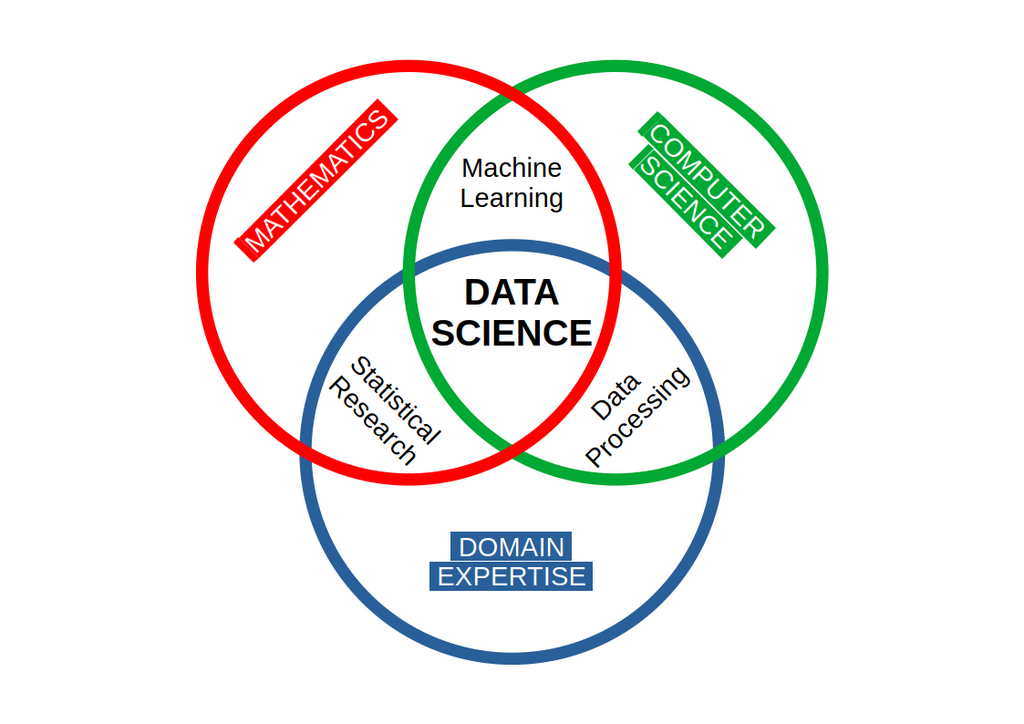
When these three areas overlap, true data science happens. For example, machine learning sits at the intersection of computer science and math, but applying it successfully to solve a real-world business problem requires deep domain expertise.
The Data Science Lifecycle
A data science project isn't a simple, one-step task. It's a cycle of steps that often need to be revisited and refined. While different models exist, most follow a similar pattern.
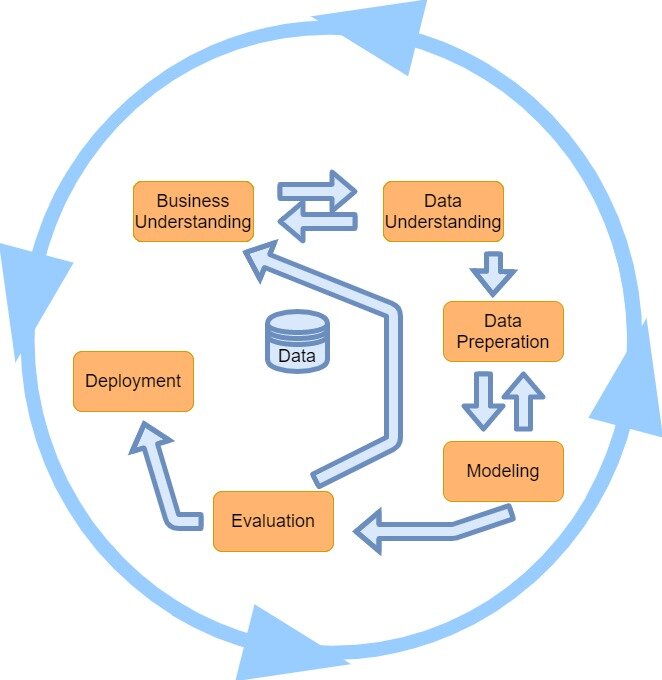
This process generally includes:
- Business Understanding: First, you define the objective. What problem are you trying to solve? What question are you trying to answer? This step is crucial for ensuring the work has a real impact.
- Data Understanding & Collection: Next, you gather the necessary data. This involves identifying sources, collecting the information, and getting a first look at it to spot potential issues or interesting features.
- Data Preparation: This is often the most time-consuming part. Raw data is usually messy. It needs to be cleaned, formatted, and structured. This might involve handling missing values or combining different datasets.
- Modeling: Here, you apply statistical and machine learning techniques to find patterns or make predictions. You might build several different models to see which one performs best.
- Evaluation: Once you have a model, you need to test it. Does it accurately answer the question from the first step? Is it reliable? The results are evaluated against the project's goals.
- Deployment: Finally, the solution is put into action. This could mean creating a report with recommendations, building a dashboard for others to use, or integrating a predictive model into an app. The cycle then often repeats as new data comes in and new questions arise.
Now that you have a high-level view of what data science is, let's test your understanding.
What is the primary goal of data science?
A data scientist spends several weeks cleaning, handling missing values, and restructuring multiple datasets. Which stage of the data science lifecycle does this work represent?
Understanding these core concepts provides the foundation for exploring the more specific methods and tools used in the field.