Introduction to Data Science
Introduction to Data Science
What is Data Science?
Every day, we create a staggering amount of data. Every click, purchase, and social media post adds to a massive, ever-growing digital ocean. Data science is the field dedicated to navigating this ocean. It's the process of using data to understand the world and make better decisions.
Think of it as modern-day detective work. A data scientist gathers clues (data), looks for patterns, and uses those patterns to solve a mystery or predict what might happen next. The goal isn't just to have information, but to turn that information into meaningful insights and actions. From suggesting your next favorite movie to helping doctors diagnose diseases earlier, data science is quietly shaping our world.
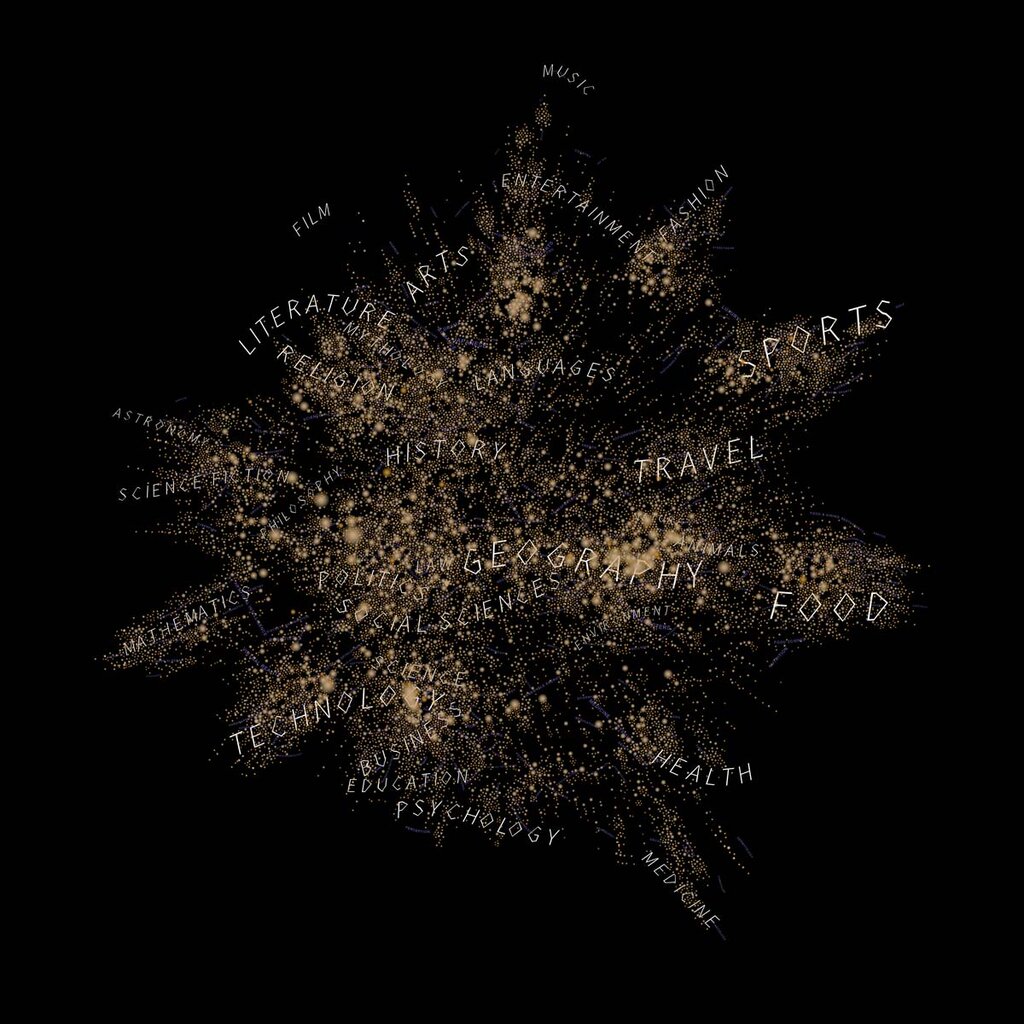
A Mix of Many Fields
Data science isn't a single skill; it's a blend of several different disciplines. To be effective, a data scientist needs to be a bit of a computer programmer, a statistician, and an expert in a particular subject area. Each field provides a crucial piece of the puzzle.
Here’s what each field contributes:
-
Computer Science: Provides the tools to collect, store, and process huge datasets. This includes programming languages like Python and databases that can handle information on a massive scale.
-
Statistics: This is the mathematical foundation for making sense of data. It gives us the methods to find trends, test ideas, and determine how confident we can be in our conclusions.
-
Domain Expertise: This is the specialized knowledge of a particular industry or field, like finance, healthcare, or marketing. Without context, data is just numbers. Domain expertise helps us ask the right questions and understand whether the results of our analysis actually make sense in the real world.
The Data Science Journey
A data science project isn't a straight line; it's a cycle. You start with a question and work through a series of steps to find an answer. The answer often leads to new questions, starting the cycle all over again.
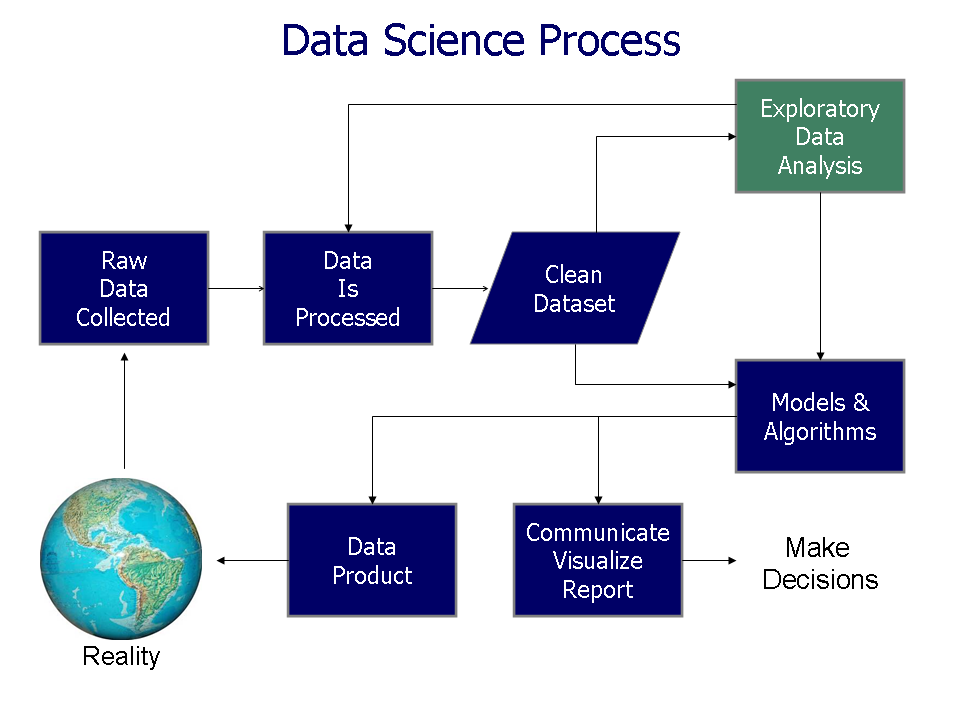
This journey, often called the data science lifecycle, typically includes a few key stages:
-
Define the Problem: It all starts with a clear question. What are we trying to achieve? This could be anything from “How can we increase sales of a specific product?” to “Can we predict which patients are at high risk for a certain disease?” A well-defined problem guides the entire project.
-
Collect Data: Once you know the question, you need to gather the relevant information. This data can come from many sources, like customer surveys, website activity, sales records, or public databases.
-
Prepare the Data: Raw data is almost never perfect. It can have missing values, errors, or inconsistencies. Data preparation, or cleaning, is the critical step of tidying up the data to make it reliable and ready for analysis. This is often the most time-consuming part of the process.
-
Analyze the Data: This is where the discovery happens. Data scientists explore the clean data to find patterns, trends, and relationships. They might use statistical models or machine learning algorithms to uncover insights that aren't obvious at first glance.
-
Communicate the Results: Findings are only useful if they can be understood and acted upon. The final step is to present the insights to others, often using charts, graphs, and clear language. This storytelling aspect is crucial for turning analysis into real-world impact.
Putting Data to Work
The applications of data science are incredibly broad and continue to expand. It's not just for tech companies; it's transforming industries everywhere.
In healthcare, data science helps analyze medical images, predict disease outbreaks, and personalize treatment plans for patients. Retailers use it to recommend products, manage inventory, and optimize their supply chains to get goods to you faster.
In the world of finance, it's used to detect fraudulent transactions and assess credit risk. Entertainment platforms like Netflix and Spotify rely on data science to understand your tastes and recommend content you'll love.
Even agriculture is being reshaped by data. Farmers can use data from sensors and satellites to monitor crop health, conserve water, and increase yields.
From improving business operations to tackling global challenges like climate change, data science provides the tools to make more informed, evidence-based decisions.
Let's check your understanding of these core concepts.
What is the primary goal of data science?
Data science is described as a blend of three core disciplines. Which of the following is NOT one of them?
At its core, data science is about curiosity and problem-solving. It's the art and science of leveraging data to uncover truths and create a better, more efficient world.