Introduction to Data Science Fundamentals
Introduction to Data Science
What Is Data Science?
At its core, data science is the art of turning data into action. It's a field dedicated to extracting meaningful insights from the vast amounts of information being generated every second. Think of it as a modern-day detective story, where the clues are hidden in data, and the goal is to solve a problem or answer a critical question.
Data Science is an interdisciplinary field that uses various techniques from statistics, mathematics, computer science, and domain-specific knowledge to extract insights from vast amounts of data.
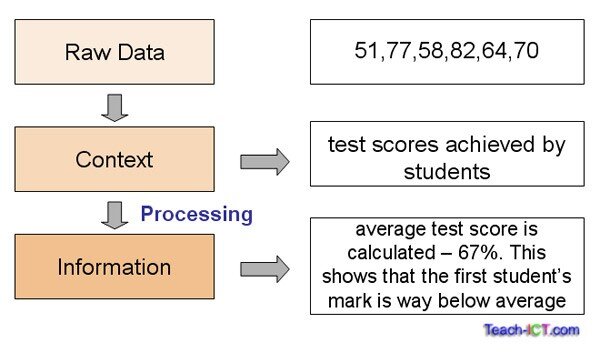
Raw data, on its own, is just a collection of numbers, text, or images. It doesn't mean much. Data science provides the tools and methods to give this data context, process it, and transform it into useful information and, eventually, wisdom that can guide decisions.
A Field of Many Talents
Data science isn't just one skill; it's a blend of several disciplines. The most effective data science comes from the intersection of three key areas: computer science, statistics, and domain expertise.
Each piece is essential.
- Computer Science: This provides the technical foundation for handling large datasets. It involves skills like programming, managing databases, and working with data processing pipelines.
- Statistics and Math: This is the analytical core. It gives us the methods to find patterns, build predictive models, and understand uncertainty in our data.
- Domain Expertise: This is the business or scientific context. Knowing the industry—be it healthcare, finance, or sports—is crucial for asking the right questions and ensuring the insights are relevant and actionable.
Data Science in Action
The impact of data science is everywhere. It’s reshaping industries by enabling smarter, data-driven decisions. From personalizing your streaming recommendations to helping doctors detect diseases earlier, data science is a powerful force for innovation.
| Industry | Application | Impact |
|---|---|---|
| Healthcare | Predicting patient risk for certain diseases | Proactive treatments and improved patient outcomes |
| Finance | Detecting fraudulent credit card transactions | Increased security and reduced financial losses |
| E-commerce | Recommending products to customers | Higher sales and better customer experience |
| Transportation | Optimizing delivery routes for logistics | Faster delivery times and lower fuel consumption |
The Data Scientist's Role
So, what does a data scientist actually do? Their role goes far beyond just crunching numbers. It’s a process that starts with a question and ends with a story.
A typical data science project follows a cycle of steps. This process ensures that the analysis is structured, rigorous, and ultimately leads to a valuable outcome.
Key responsibilities include:
- Framing the Problem: Working with stakeholders to define a clear, answerable question.
- Data Collection & Preparation: Gathering data from various sources and cleaning it to make it usable. This is often the most time-consuming part.
- Exploratory Data Analysis: Digging into the data to find initial patterns, trends, and anomalies.
- Modeling: Applying statistical or machine learning models to make predictions or classify information.
- Communication: Presenting the findings in a clear, compelling way to people who may not be data experts. This storytelling is crucial for driving action.
Ultimately, a data scientist's job is to connect the data to the business decision. They are translators who can speak the language of both data and people.
Now that you have a foundational understanding of what data science is, let's test your knowledge.
What is the primary goal of data science?
Which three disciplines form the core foundation of data science?
This overview sets the stage for everything that follows. Understanding the what, why, and who of data science is the first step on the path to becoming data-literate.