Introduction to Data Science Fundamentals
Introduction to Data Science
What Is Data Science?
Data science is the art of asking questions and finding answers in data. Think of it like being a detective. Detectives gather clues (data), piece them together to find patterns, and solve a mystery. In the same way, data science uses methods from computer science, statistics, and business knowledge to uncover hidden insights from raw information.
It’s not just about numbers on a spreadsheet. Data comes in many forms: customer reviews, social media posts, satellite images, and website clicks. The goal is to transform this messy, chaotic information into clear, actionable knowledge. This knowledge helps businesses make smarter decisions, scientists make new discoveries, and maybe even helps your favorite streaming service recommend a movie you'll love.
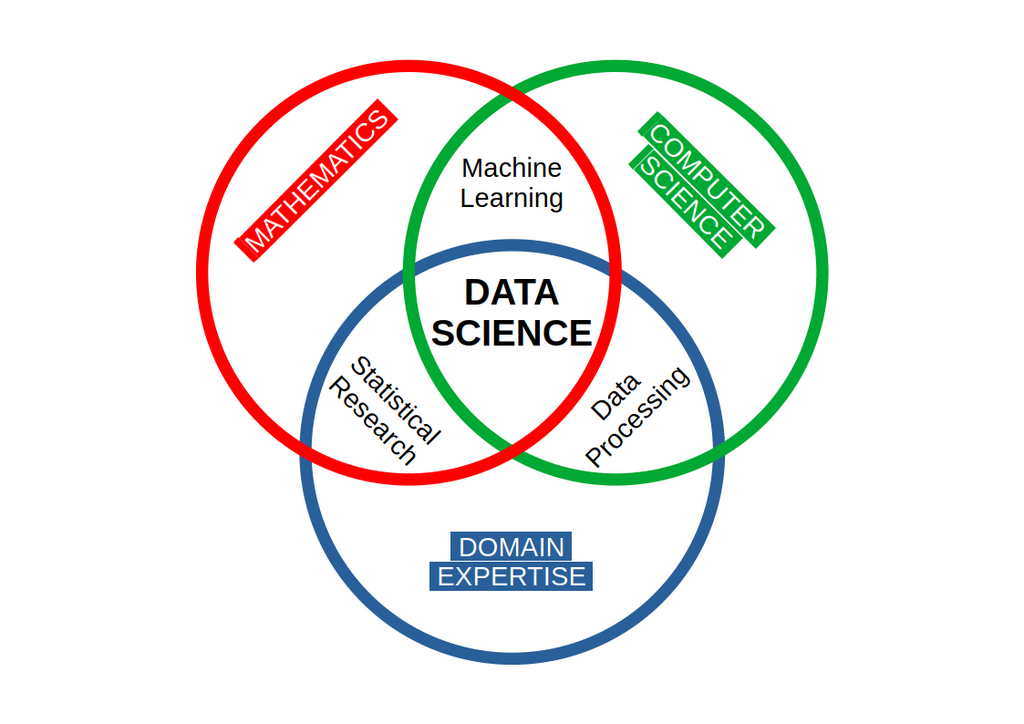
This blend of skills is what makes data science so powerful. You need computer science to handle and process large amounts of data. You need math and statistics to build reliable models and separate signal from noise. And you need domain expertise—knowledge of the specific field, like healthcare or finance—to ask the right questions and understand what the answers actually mean.
The Data Science Lifecycle
A data science project isn't a straight line; it's a cycle. Each answer often leads to new, more interesting questions. While the exact steps can vary, most projects follow a general path from an initial question to a final insight.
Let's break down these stages:
- Problem Definition: It all starts with a question. This could be anything from "Why are customer subscriptions declining?" to "How can we predict equipment failures before they happen?" A clear question guides the entire process.
- Data Collection: Next, you gather the necessary data. This might involve querying databases, scraping websites, or accessing public datasets.
- Data Preparation: Raw data is almost always messy. It can have errors, missing values, or inconsistencies. This stage, often called data cleaning, is about tidying up the data to make it usable. It’s a crucial step—garbage in, garbage out.
- Exploration & Analysis: Here's where the discovery happens. You explore the data, visualize it to spot trends, and apply statistical techniques to uncover relationships and patterns.
- Interpretation & Action: The final step is to make sense of the findings. This involves communicating the results to others, often through reports or visualizations, and using the insights to make a decision or take an action.
The Data Team
Data science is a team sport, with different players specializing in different parts of the lifecycle. While titles can be fluid, there are three main roles you'll often encounter.
| Role | Primary Focus | Analogy |
|---|---|---|
| Data Engineer | Builds and maintains the systems that collect and store data. | The architect and plumber who builds a reliable water supply system. |
| Data Analyst | Sifts through existing data to find trends and answer business questions. | The inspector who tests the water quality and reports on its current state. |
| Data Scientist | Uses advanced techniques to build predictive models and uncover new insights. | The innovator who designs a new water purification system. |
A Data Engineer lays the groundwork. They build robust, scalable pipelines to ensure data flows smoothly from its source to where it can be analyzed. Without them, there's no data to work with.
A Data Analyst focuses on understanding the past and present. They query the data, create dashboards, and generate reports to explain what's happening in a business. They answer questions like, "What were our sales last quarter?"
A Data Scientist often looks toward the future. They use the infrastructure built by engineers and the insights found by analysts to build complex models. They answer questions like, "What are our sales likely to be next quarter?"
Data-Driven Decisions
Why go through all this trouble? Because making decisions based on data is far more effective than relying on gut feelings alone. Data-driven decision-making means using facts and evidence to guide your strategy.
A shipping company might use data science to optimize delivery routes, saving fuel and time. A hospital could analyze patient data to predict disease outbreaks. A retail company can analyze purchasing habits to personalize marketing campaigns.
In every industry, data provides a competitive edge. It allows organizations to understand their customers better, streamline their operations, and innovate faster. By learning to harness data, we can move from guessing to knowing.
Now that you have a grasp of what data science is, who does it, and why it's important, you're ready to explore its core components more deeply.
What is the primary goal of data science?
A company wants to understand its sales performance over the last year by creating reports and dashboards. Which data science role is most directly responsible for this task?