Introduction to Data Science Fundamentals
Introduction to Data Science
What Is Data Science?
At its heart, data science is the art of telling stories with data. It’s a field dedicated to pulling meaningful insights from the vast, messy sea of information we generate every day. Think of it as a modern form of detective work. Data scientists sift through clues—numbers, text, images—to uncover patterns, predict future trends, and help make smarter decisions.
Data science is the process of collecting, processing, analyzing, and interpreting large datasets to uncover patterns, trends, and insights.
Whether it's a streaming service recommending your next favorite show or a health app tracking a disease outbreak, data science is the engine running behind the scenes. It transforms raw data into useful knowledge.
A Field of Many Talents
Data science isn't just one skill; it's a blend of several disciplines. To be effective, a data scientist needs to be part-detective, part-statistician, and part-computer scientist. The work pulls from three core areas:
- Computer Science: This provides the tools to collect, store, and process large amounts of data. Skills in programming and managing databases are crucial.
- Statistics and Math: This is the foundation for making sense of the data. It allows data scientists to build models, test theories, and separate meaningful signals from random noise.
- Domain Expertise: This is the specific industry knowledge needed to ask the right questions and understand the answers. A data scientist working in healthcare needs to understand medicine, while one in finance needs to understand markets.
Data Science in Action
The applications of data science are everywhere, often in ways we don't notice. It helps businesses operate more efficiently and can even help solve major global challenges.
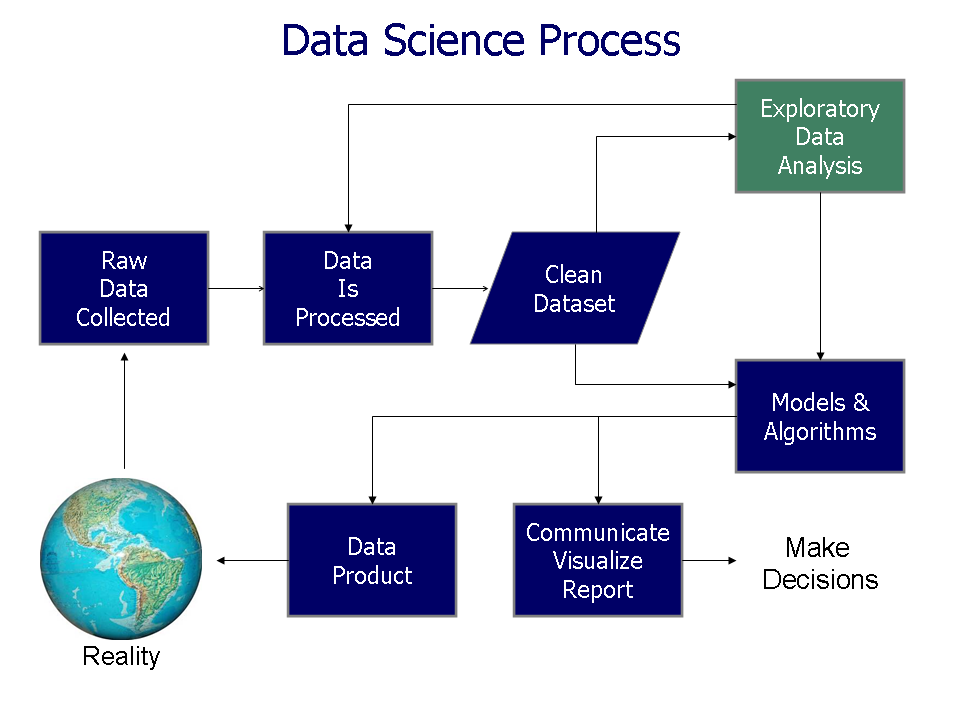
Here are a few examples of how different industries use data science:
- Healthcare: Doctors use data to predict diseases, personalize treatments, and analyze medical images like X-rays to spot problems earlier.
- Finance: Banks and investment firms analyze market data to predict stock prices, detect fraudulent transactions, and assess credit risk for loans.
- Marketing: Companies analyze customer behavior to understand what people want, personalize advertisements, and recommend products you might like.
- Transportation: Ride-sharing apps use data to predict demand and set prices, while logistics companies optimize delivery routes to save time and fuel.
In each case, the goal is the same: to use data to gain a deeper understanding and make informed choices. This interdisciplinary approach is what makes data science such a powerful and versatile field.
What is the primary goal of data science?
Data science is described as an interdisciplinary field. Which of the following best represents its core components?