Introduction to Data Science
Introduction to Data Science
What Is Data Science?
Data science is the art of asking questions and finding answers in data. Think of a data scientist as a modern-day detective. Instead of a crime scene, they have spreadsheets, databases, and user activity logs. Their job is to sift through all this information, find clues and patterns, and piece together a story that helps a business or organization make smarter decisions.
Why has it become so important? We're living in an age of information overload. Every time you stream a movie, buy something online, or even just carry your phone in your pocket, you're generating data. This massive amount of raw information is a treasure trove, but it's useless without someone who knows how to interpret it. Data science provides the tools and methods to turn that noisy data into clear, actionable insights.
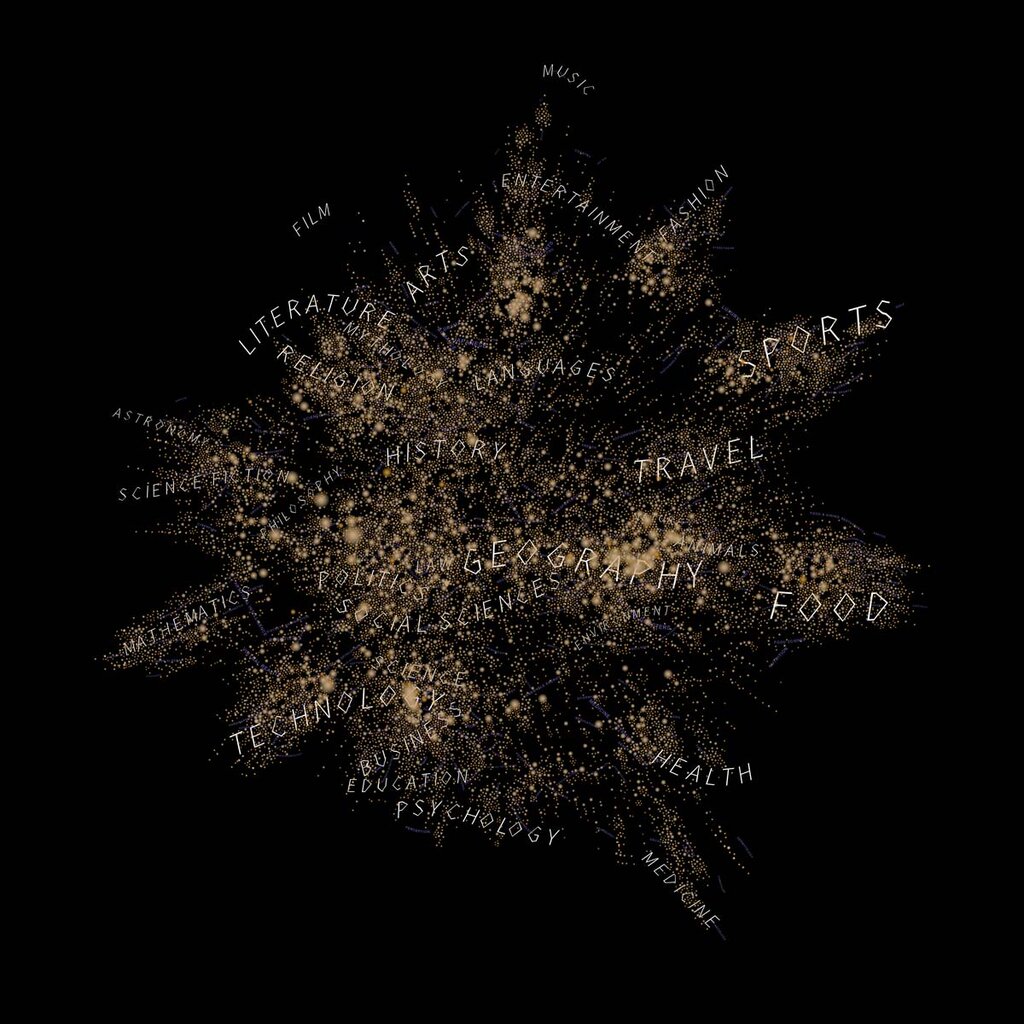
Essentially, data science is about using data to understand the world in a deeper way, whether that means predicting what customers will buy next or identifying trends in public health.
The Data Science Workflow
A data science project isn't a single event; it's a step-by-step process, often called a workflow or lifecycle. Much like building a house, you can't just start hammering nails randomly. You need a blueprint and a plan, moving from foundation to framing to finishing touches.
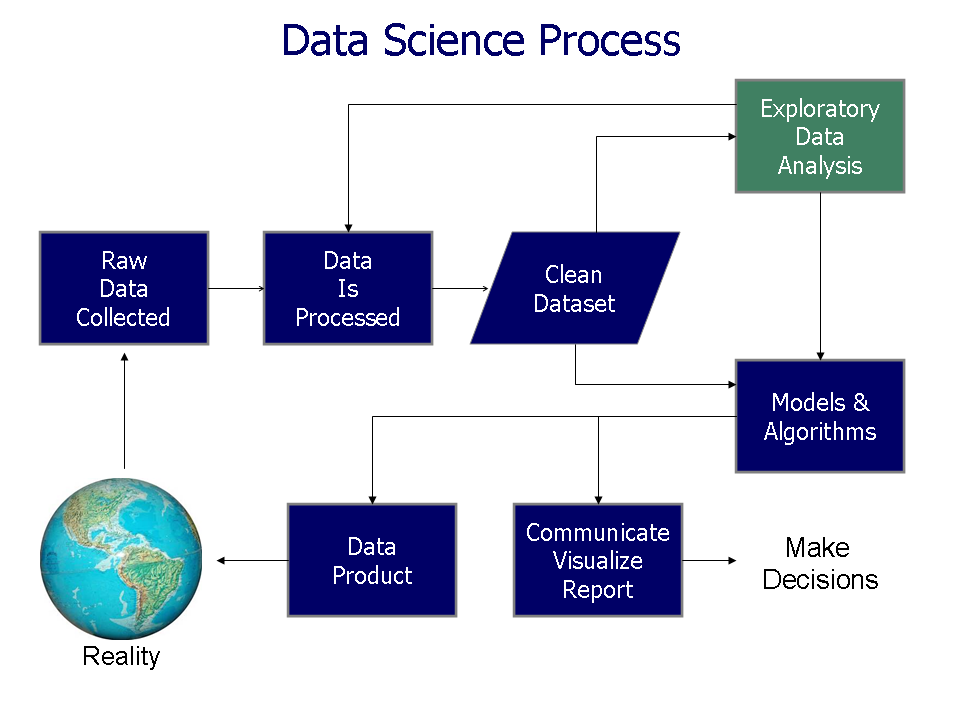
This process generally follows a few key stages:
-
Ask the Right Question: It all starts with a goal. What problem are we trying to solve? A clear question like "Why are customers in the northeast region buying less this quarter?" is much better than a vague one like "How can we increase sales?"
-
Gather and Clean Data: Next, data scientists collect the necessary information. This raw data is often messy—it might have missing values, typos, or inconsistencies. A huge part of the job is cleaning and organizing it into a usable format. It's not glamorous, but it's one of the most critical steps.
-
Explore and Analyze: This is where the detective work really begins. Data scientists explore the clean data, look for patterns, and test hypotheses. They might create charts and graphs to visualize trends and relationships hidden within the numbers.
-
Communicate Results: Finding an insight is only half the battle. The final step is to share the findings with people who can act on them, like managers or product designers. This usually involves creating reports, dashboards, or presentations that tell a clear story with the data.
Who's on the Team?
Data science is a team sport because the required skills are so broad. It's rare to find one person who is an expert in everything. A typical team might include a few key roles that work together.
| Role | Primary Focus |
|---|---|
| Data Analyst | Examines data to identify trends and answer business questions. Often focuses on creating reports and visualizations. |
| Data Engineer | Builds and maintains the systems that collect and store data. They make sure data is available and reliable for others to use. |
| Data Scientist | Cleans, analyzes, and interprets complex data. Often uses statistical methods and builds predictive models. |
| Machine Learning Engineer | Takes the models created by data scientists and puts them into production, ensuring they can run at scale. |
In smaller companies, one person might wear several of these hats. In larger organizations, these roles are more specialized, allowing each person to focus on their area of expertise. The key is collaboration to move from raw data to a real-world solution.
Data Science in the Wild
The applications of data science are everywhere, often working behind the scenes in ways you might not expect.
E-commerce: Ever wondered how a shopping site knows exactly what to recommend? Data scientists analyze your browsing history and past purchases to suggest products you're likely to enjoy.
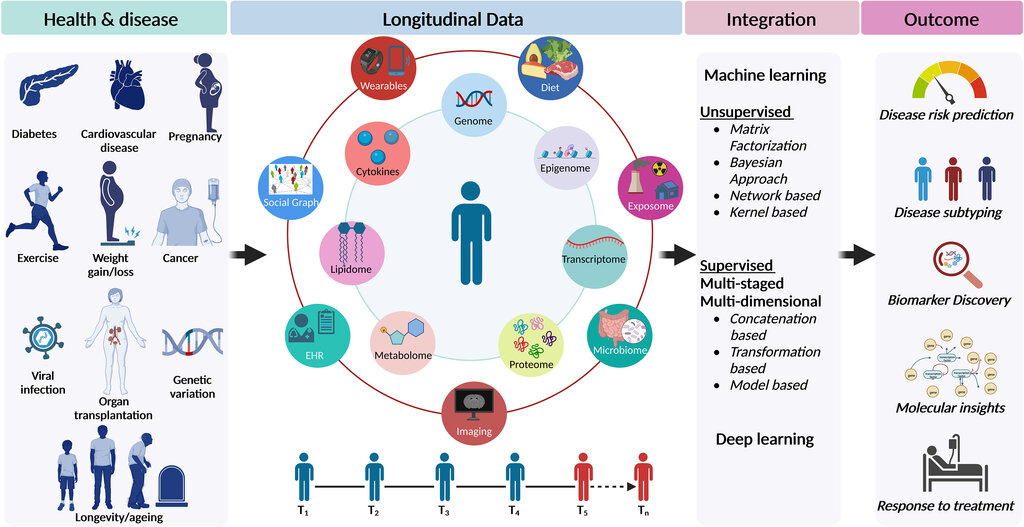
Healthcare: Hospitals use data science to predict patient outcomes, identify at-risk populations, and even help discover new drugs. By analyzing massive datasets of patient records and clinical trials, they can find patterns that would be impossible for a human to spot.
Transportation: Ride-sharing apps use data to predict demand, set prices dynamically, and find the most efficient routes for drivers. City planners also use traffic data to optimize traffic light timing and reduce congestion.
From entertainment and finance to agriculture and sports, nearly every industry is using data to become more efficient and innovative.
Now that you have a sense of what data science is and why it's important, let's test your understanding.
According to the text, what is the best analogy for a data scientist's role?
What is the essential first step in the data science workflow?
Understanding these core concepts is the first step. Data science is a vast field, but it's built on the simple idea of learning from data to make better decisions.