Introduction to Data Science
Introduction to Data Science
What Is Data Science?
Data science is the practice of using data to understand the world and make better decisions. It's a blend of different fields, combining statistics, computer science, and specific subject matter knowledge to pull meaningful insights from raw information.
Every time you see a recommended movie on a streaming service, get a fraud alert from your bank, or see a weather forecast, you're seeing data science in action. It's the engine behind countless tools we use daily, helping businesses, researchers, and organizations solve complex problems.
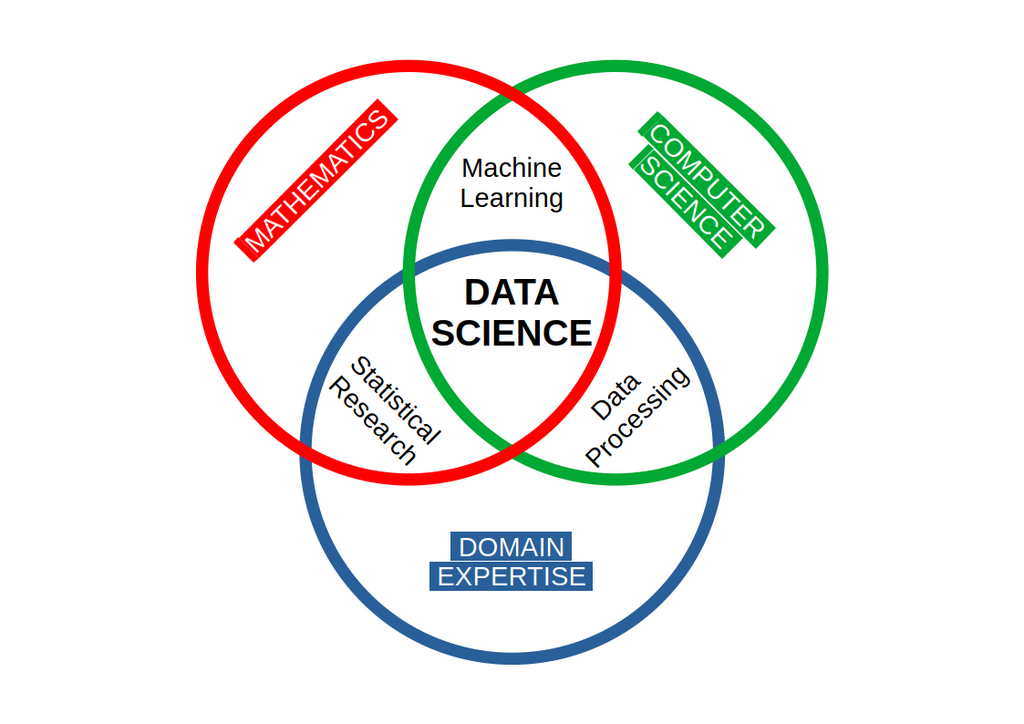
This combination is key. A programmer can build systems, and a statistician can analyze numbers, but a data scientist bridges the gap. They use programming to manage large datasets, apply statistical methods to find patterns, and use their domain expertise to ask the right questions and interpret the results in a meaningful way.
Essentially, data science is about turning data into action.
The Data Team
While one person might do it all, data science is often a team sport with specialized roles. The three most common roles are the data analyst, the data scientist, and the data engineer. Each plays a distinct part in the journey from raw data to a final insight.
| Role | Main Focus | Key Skills | Answers the Question... |
|---|---|---|---|
| Data Analyst | Explaining past performance | SQL, Excel, Data Visualization (Tableau) | "What happened?" |
| Data Scientist | Predicting future outcomes | Python/R, Machine Learning, Statistics | "What might happen?" |
| Data Engineer | Building data infrastructure | Python, SQL, Cloud Platforms (AWS, Azure) | "How can we get reliable data?" |
A data analyst sifts through data to identify trends and create reports, essentially acting as a historian who explains what the data says about the past. A data scientist often goes a step further, building predictive models to forecast future events, like a detective using clues to solve a case that hasn't happened yet. The data engineer is the architect, building and maintaining the systems—or pipelines—that deliver clean, usable data to the analysts and scientists.
The Data Science Process
A data science project isn't a straight line. It's a cycle where each step informs the next. A common framework for this process is the Cross-Industry Standard Process for Data Mining, or CRISP-DM.
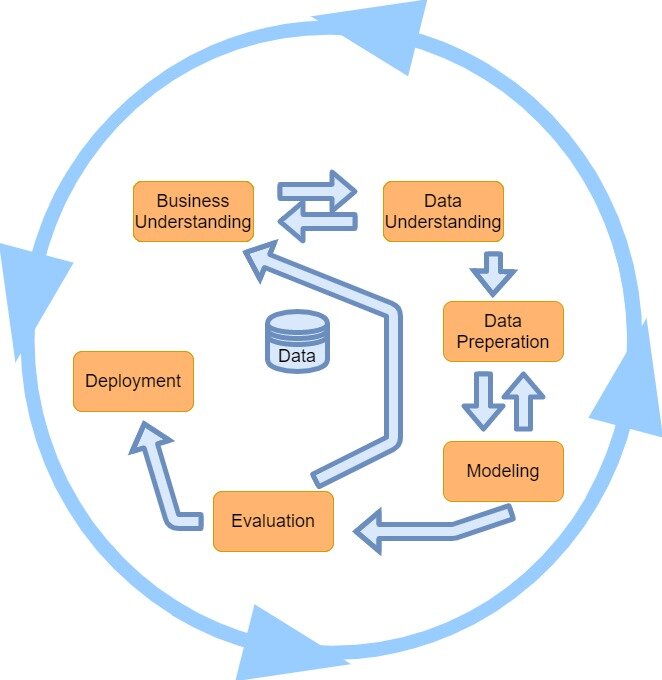
This process typically includes these phases:
- Business Understanding: It all starts with a question. What problem are we trying to solve? Defining a clear goal is the most important step.
- Data Understanding: Next, you find and explore the data you have. Is it relevant? Is it complete? This is a first look to see if the project is even possible.
- Data Preparation: This is often the most time-consuming part. It involves collecting, cleaning, and formatting the data so it's ready for analysis. Think of it as organizing your ingredients before you start cooking.
- Modeling: Here's where machine learning algorithms and statistical models come into play. A model is trained on the prepared data to find patterns or make predictions.
- Evaluation: Does the model actually work? This phase tests the model's performance to see if it successfully answers the original question.
- Deployment: If the model works well, it's put into action. This could mean creating a report with your findings, building a dashboard for a team to use, or integrating a predictive feature into an app.
After deployment, the cycle often begins again. The results from one project can raise new questions, leading to the next round of discovery.
Now, let's test your knowledge on these foundational concepts.
Data science is an interdisciplinary field that primarily combines which three core areas?
Which data science role is primarily responsible for building and maintaining the systems that deliver clean, usable data to analysts and scientists?
Understanding these core ideas—what data science is, who does it, and how it's done—provides a solid foundation for exploring this powerful field.