Introduction to Data Science
Introduction to Data Science
What Is Data Science?
Data science is the practice of using data to understand the world and make better decisions. It's not just about numbers on a spreadsheet. It's a field that blends programming skills, statistical knowledge, and real-world expertise to uncover hidden patterns and insights.
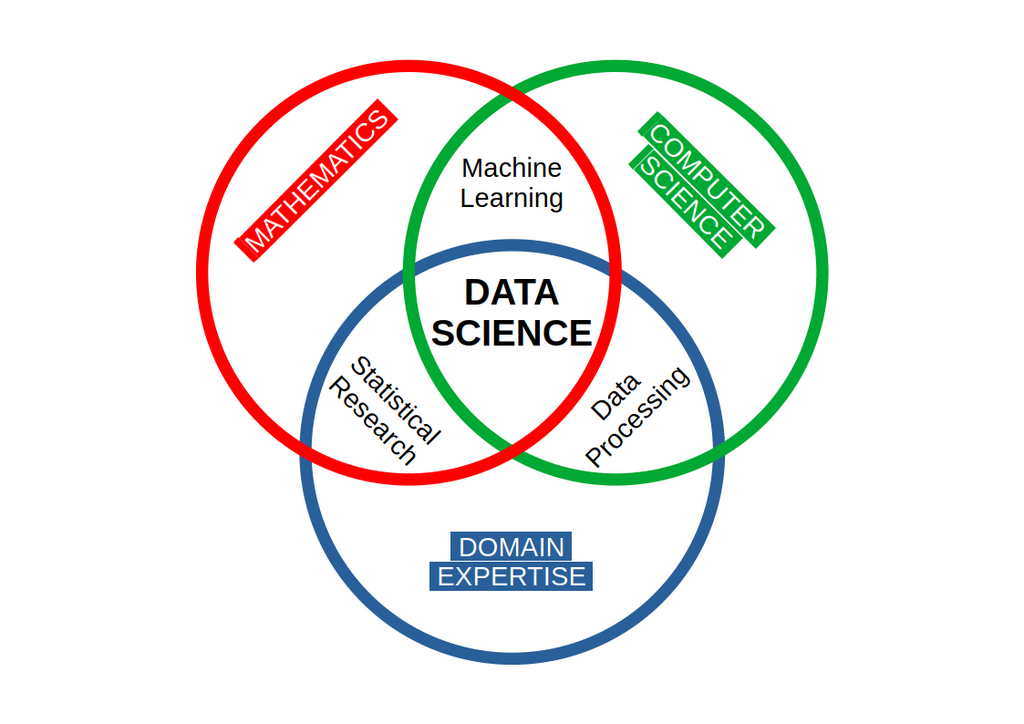
Data Science is an interdisciplinary field that combines techniques from statistics, mathematics, and computer science to extract knowledge and insights from data.
Think of it as a detective story where the clues are buried in data. A data scientist's job is to collect these clues, clean them up, analyze them, and then present the story they tell. This story could be about predicting customer behavior, identifying new market trends, or even helping doctors diagnose diseases earlier.
The Data Science Lifecycle
Data science isn't a single action but a complete process, often called a lifecycle. This cycle guides a project from an initial question to a final, actionable insight. While the exact steps can vary, they generally follow a standard path.
- Problem Definition: What question are we trying to answer?
- Data Collection: Where can we get the necessary data?
- Data Preparation: Cleaning and organizing the raw data.
- Analysis & Modeling: Exploring the data and building models to find patterns.
- Reporting & Deployment: Communicating the findings and putting them to use.
This process is rarely a straight line. Often, findings during the analysis phase will send you back to collect more data or redefine the problem. It's an iterative loop of discovery and refinement.
A critical part of this lifecycle is ensuring data quality. Raw data is often messy, with missing values, errors, or inconsistencies. A core principle in data science is "garbage in, garbage out." If you start with poor-quality data, your analysis and conclusions will be unreliable, no matter how sophisticated your methods are. Cleaning and preparing data often takes up the majority of a data scientist's time.
The Data Scientist's Role
So, what does a data scientist actually do? They are versatile professionals who guide projects through the entire data lifecycle. They need technical skills in programming (like Python or R) and statistics, but that's only part of the job.
They also need strong communication and visualization skills to explain complex findings to non-technical audiences. A key part of their role is storytelling—turning the results of an analysis into a clear narrative that can drive action.
Data scientists work in nearly every industry. In finance, they build models to detect fraud. In healthcare, they analyze clinical trial data. In retail, they optimize supply chains and personalize marketing campaigns. They are the bridge between raw data and strategic business decisions.
Now, let's test your understanding of these core concepts.
What is the primary goal of data science?
The principle "garbage in, garbage out" most directly refers to the importance of which aspect of the data science lifecycle?
Understanding these fundamentals provides a solid base for exploring the powerful ways data is shaping our world.