Introduction to Data Science
Introduction to Data Science
What Is Data Science?
Think of a data scientist as a modern-day detective. Instead of a crime scene, they have vast amounts of data. Their job is to find clues, connect the dots, and tell a story that helps businesses and organizations make better decisions. At its core, data science is the practice of extracting knowledge and insights from data.
Every time you stream a movie, buy something online, or even just carry your phone, you're creating data. We now generate more data than ever before, but raw data is messy and often meaningless on its own. Data science provides the tools and methods to turn that raw information into something useful, like predicting what movie you'll want to watch next or identifying a fraudulent credit card transaction before it's too late.
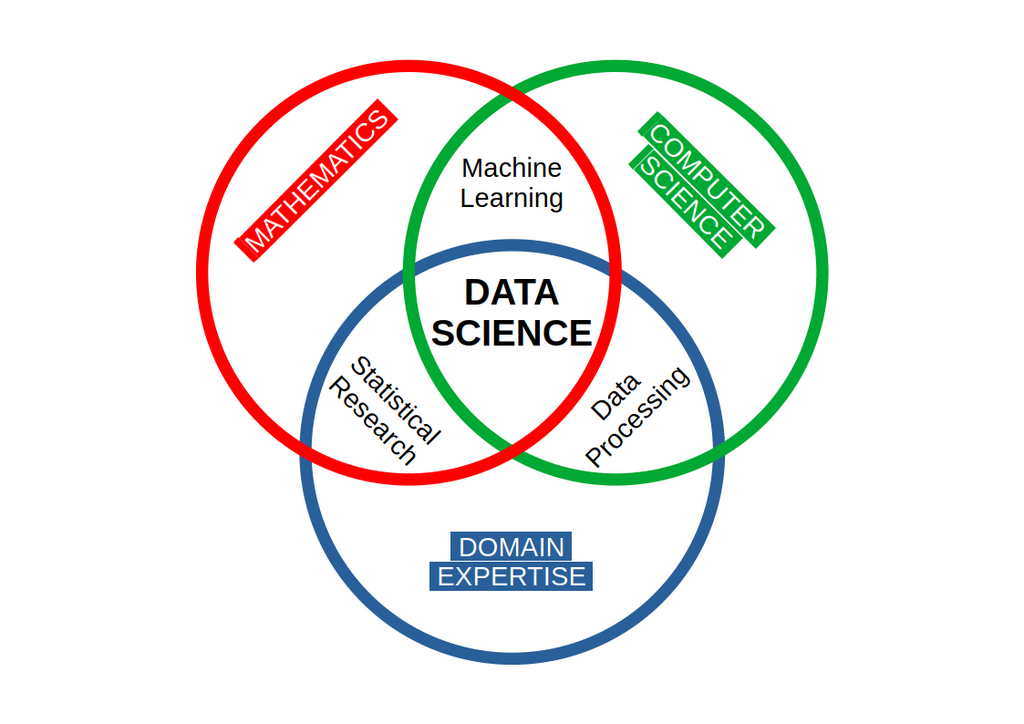
It’s an interdisciplinary field, blending skills from computer science, statistics, and business knowledge. A data scientist needs to know how to handle data with code, understand the math behind their analyses, and, most importantly, understand the context of the problem they're trying to solve. Without that business or scientific context, the numbers are just numbers.
Data Science in Action
Data science isn't just an abstract concept; it's already shaping the world around you in practical ways. You've likely interacted with a data science application today without even realizing it.
Ever wonder how Netflix knows exactly what show to recommend? That’s data science. It analyzes your viewing history and compares it to millions of other users to predict what you'll enjoy next.
The applications are everywhere:
- Healthcare: Doctors use data science to predict diseases and personalize patient treatments based on genetic information and lifestyle data.
- Finance: Banks automatically detect fraudulent transactions by identifying patterns that are different from your usual spending habits.
- Transportation: Ride-sharing apps use data to predict demand, set prices, and find the most efficient routes for their drivers.
- Retail: Stores analyze purchasing data to optimize inventory and decide which products to put on sale.
The Data Science Lifecycle
Solving a problem with data isn't a single event; it's a structured process known as the data science lifecycle. While the exact steps can vary, they generally follow a path from raw data to actionable insight. Think of it as a recipe for answering a question with data.
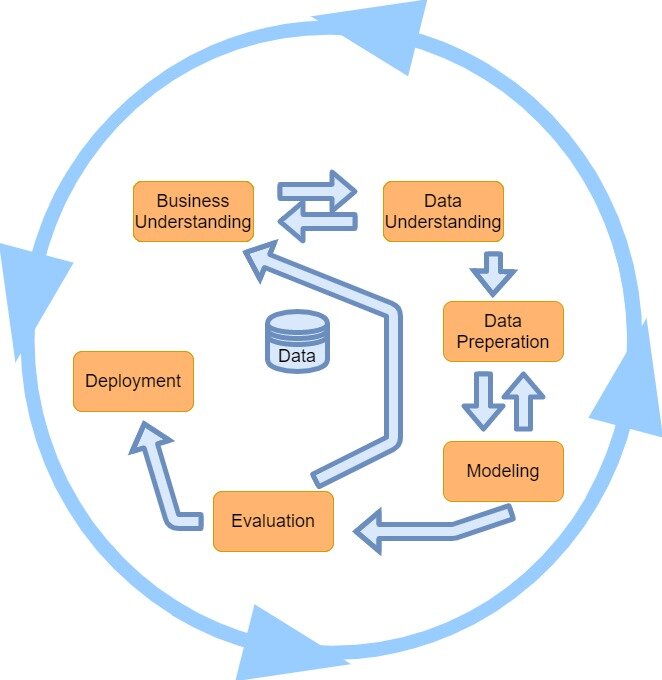
Here's a simplified look at the key phases:
-
Data Collection: First, you need data. This could come from anywhere: customer surveys, website clicks, sensor readings, or public databases.
-
Data Cleaning: Raw data is almost always messy. It might have missing values, duplicates, or errors. This step involves tidying up the data to make it reliable and usable for analysis.
-
Data Analysis & Exploration: This is the detective work. Data scientists explore the cleaned data to find patterns, trends, and relationships. They might ask questions like, "What time of day do most sales occur?" or "Is there a link between location and customer loyalty?"
-
Machine Learning (Modeling): For more complex problems, especially those involving predictions, data scientists build models. A model is an algorithm that learns from the data. For example, a model could be trained to predict which customers are likely to stop using a service.
-
Data Visualization & Communication: The final, crucial step is to share the findings. Data scientists use charts, graphs, and dashboards to tell a clear story. An insight is only valuable if it can be understood by the people who need to make decisions.
This process is a cycle. The results from one project often lead to new questions, starting the lifecycle all over again.
Now that you have a high-level view of what data science is and how it works, you're ready to start exploring each of these steps in more detail.