Introduction to Data Science
Introduction to Data Science
What Is Data Science?
At its core, data science is the art of finding stories and patterns hidden inside data. Think of it like being a detective. You're given a massive collection of clues (the data), and your job is to sift through it, piece together the evidence, and uncover the truth. This truth can help a business make smarter decisions, a doctor diagnose diseases earlier, or a city improve its traffic flow.
Data Science is an interdisciplinary field that uses various techniques from statistics, mathematics, computer science, and domain-specific knowledge to extract insights from vast amounts of data.
It’s not just about numbers. It's about using those numbers to understand the world and make predictions about the future.
A Mix of Skills
Data science isn't just one skill, but a blend of several. The most successful data scientists are part computer scientist, part statistician, and part subject-matter expert.
- Computer Science: This is the muscle. You need coding skills to collect, process, and manage huge datasets. This involves programming, working with databases, and using software tools.
- Statistics & Math: This is the logic. It provides the framework for asking the right questions and making sense of the answers. It helps you separate meaningful patterns from random noise.
- Domain Expertise: This is the context. Whether it's finance, biology, or marketing, you need to understand the industry you're working in. This knowledge helps you know which questions are important and how to interpret your findings correctly.
When these three areas come together, you can move beyond simply looking at data to actually building powerful tools and making informed predictions.
From Raw Data to Real Insights
A data science project follows a general path, often called the data science lifecycle. It's a structured process for turning raw data into an actionable solution.
- Data Collection: First, you need data. This can come from anywhere: customer surveys, website clicks, sales records, sensors, or public databases.
- Data Cleaning: Real-world data is messy. It has errors, missing values, and inconsistencies. Cleaning involves fixing these issues to make the data usable and reliable.
- Analysis (or Exploration): This is the detective work. You explore the cleaned data, look for trends, visualize patterns, and form hypotheses. What relationships can you find? What stands out?
- Interpretation & Communication: Finally, you interpret your findings and communicate them to others. This often involves creating reports, visualizations, or presentations that tell a clear story and recommend a course of action.
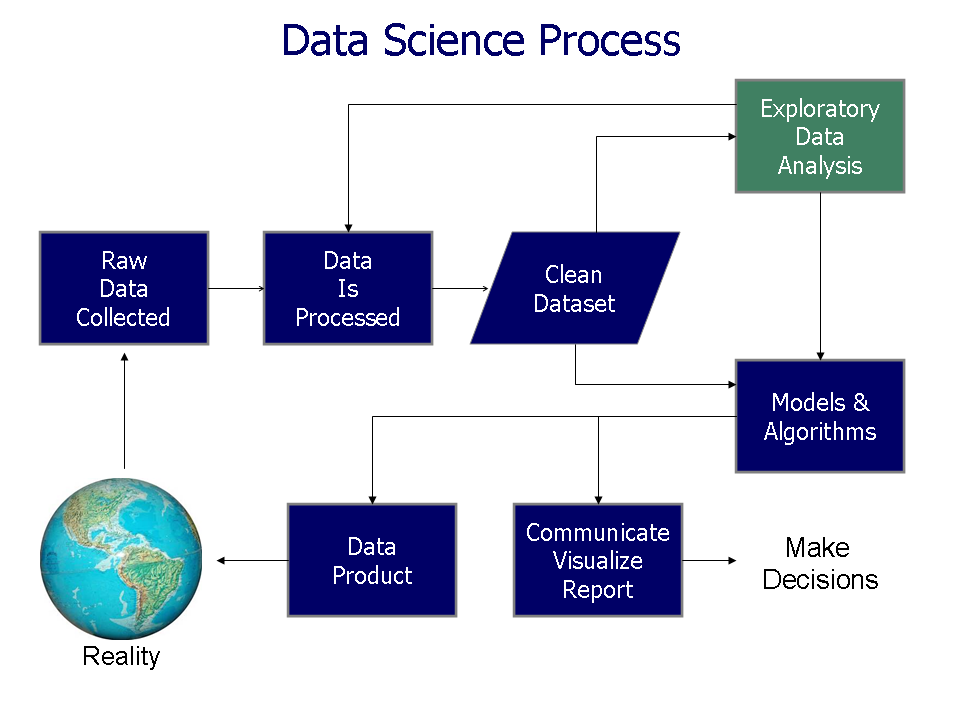
This process isn't always a straight line. Often, you'll cycle back to earlier steps as you learn more about the data and refine your approach.
Data Science in the Wild
Data science is already a part of your daily life. It’s the engine behind many of the services you use.
- Healthcare: Doctors use data science to predict disease outbreaks, personalize treatments, and analyze medical images to detect conditions like cancer earlier and more accurately.
- Finance: Banks use it to detect fraudulent transactions in real-time. Investment firms use it to build models that predict stock market fluctuations and manage risk.
- Marketing: Companies like Netflix and Spotify analyze your viewing and listening habits to recommend movies and music you'll love. Retailers use it to understand customer behavior and suggest products you might want to buy.
The Data Scientist's Role
So, what does a data scientist actually do all day? Their primary responsibility is to solve problems using data. They're part analyst, part communicator, and part trusted advisor. They might build a machine learning model to predict customer churn, design an experiment to test a new product feature, or create a dashboard to help executives track key business metrics.
A brilliant analysis is useless if it can't be understood. Data scientists must be storytellers, translating complex findings into clear, actionable insights.
Beyond technical skills, a data scientist must also be an ethical steward of data. This means being aware of issues like data privacy, consent, and algorithmic bias. A recommendation engine that only shows high-paying job ads to one demographic group, for example, is an ethical failure. Good data science requires a commitment to fairness and responsibility.
Ready to check your understanding? Let's see what you've learned.
What is the primary goal of data science?
A data scientist receives a dataset with many missing values and inconsistent formatting. Which stage of the data science lifecycle should they focus on first?
Data science is a powerful field that combines technology, statistics, and expertise to solve real-world problems. By understanding its core principles and lifecycle, you're taking the first step toward making sense of the data that shapes our world.