Introduction to Data Science
Introduction to Data Science
What Is Data Science?
Think of data science as modern-day detective work. A detective gathers clues—fingerprints, witness statements, scraps of evidence—to solve a mystery. A data scientist does something similar, but their clues are data points. They collect, sift through, and analyze vast amounts of digital information to uncover hidden patterns and answer important questions.
At its core, data science is the practice of turning raw data into useful insights that can guide decisions.
This could mean anything from a streaming service figuring out which movie to recommend to you next, to a health organization predicting where a flu outbreak might occur. It's a field that blends different skills to make sense of the digital noise all around us.
The Three Key Ingredients
Data science isn't just one skill; it's a mix of three distinct fields working together.
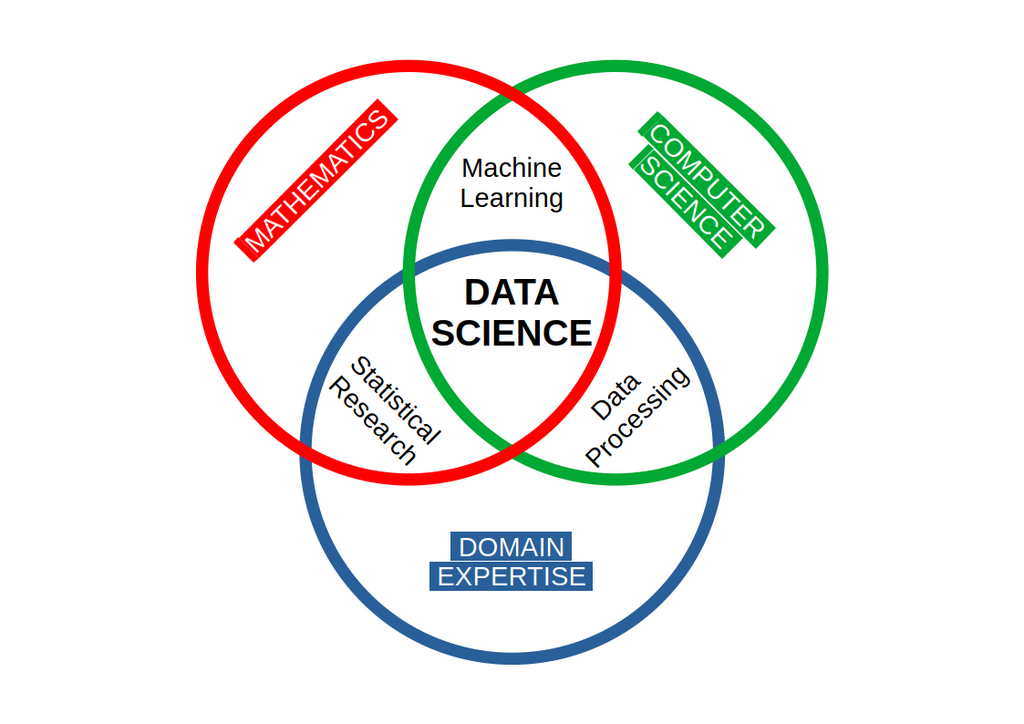
Here’s a breakdown of the core components:
-
Computer Science: This is the muscle. It provides the tools and techniques to handle massive datasets efficiently. Think of it as the filing system and magnifying glass that allows a detective to manage and inspect all the evidence without getting overwhelmed.
-
Statistics and Math: This is the logic. It's the framework for making sense of the data, identifying trends, and determining if a pattern is a real signal or just random chance. It helps the detective connect the dots and build a coherent story from the clues.
-
Domain Expertise: This is the context. It’s the deep understanding of a specific field, whether it's finance, biology, or marketing. A detective who knows the neighborhood and the people in it will solve the case much faster. In data science, this expertise ensures the right questions are being asked and the answers make sense in the real world.
The Data Science Journey
A data science project follows a structured path, often called a lifecycle. While the specifics can vary, the general steps guide the process from a vague question to a clear answer.
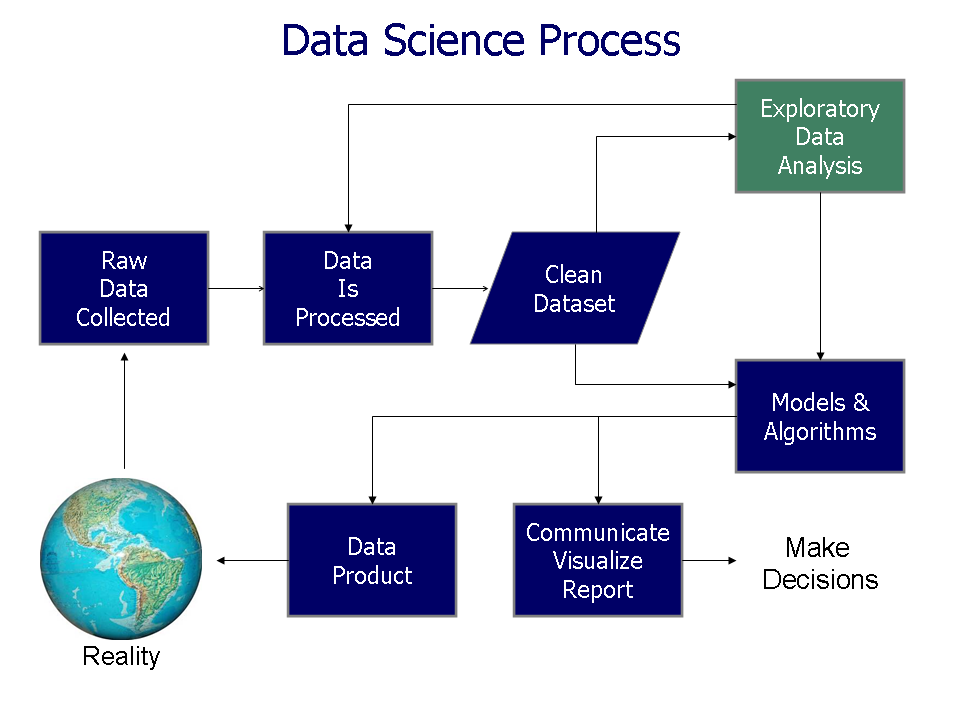
The journey typically includes these stages:
-
Data Collection: First, you need data. This might come from customer surveys, website clicks, sensor readings, or public databases. The goal is to gather the raw materials needed for the investigation.
-
Data Cleaning: Raw data is almost always messy. It can have missing values, typos, or inconsistencies. This stage is like tidying up the evidence—organizing it, fixing errors, and making sure everything is ready for analysis.
-
Data Analysis: This is where the detective work really begins. Data scientists explore the clean data, looking for patterns, trends, and relationships. They might use visualization to see the data in new ways or run statistical tests to check their hypotheses.
-
Modeling: Sometimes, the goal is to make predictions. A data scientist might build a model, which is a mathematical representation of a real-world process. For example, a model could predict which customers are likely to stop using a service.
-
Interpretation & Communication: Finding an insight is only half the battle. The final, crucial step is to explain what it means to others. Data scientists must translate their technical findings into a clear, compelling story that stakeholders can use to make informed decisions.
Data Science in the Real World
Data science is not just an abstract concept; it powers many of the services you use every day. Its applications span nearly every industry.
| Industry | Application |
|---|---|
| E-commerce | Personalized product recommendations |
| Healthcare | Predicting disease risk from patient records |
| Finance | Detecting fraudulent credit card transactions |
| Transportation | Optimizing delivery routes for shipping companies |
| Entertainment | Suggesting movies or songs based on viewing history |
In each case, data is used to create a more efficient, personalized, or secure experience.
A Question of Ethics
With great data comes great responsibility. The power to analyze personal information raises important ethical questions. Data scientists must consider fairness, privacy, and transparency in their work.
Responsible data handling means protecting personal information, ensuring algorithms don't perpetuate harmful biases, and being clear about how data is used to make decisions.
For example, if a model used for loan applications is trained on biased historical data, it might unfairly deny loans to certain groups. A core part of data science is being aware of these potential pitfalls and building systems that are not only accurate but also fair and ethical.
Data science is often compared to detective work. In this analogy, what do the 'clues' represent?
Which of the following best describes the role of 'Domain Expertise' in data science?
That's a brief tour of what data science is, how it works, and why it matters. It's a field dedicated to finding clarity in complexity.