Introduction to Data Science
Introduction to Data Science
What Is Data Science?
At its heart, data science is the art of finding stories in data. Think of a data scientist as a modern-day detective. They're given a massive collection of clues—the data—and their job is to sift through it, find patterns, and solve a mystery or answer a question.
This could mean a business trying to understand which customers are most likely to buy a new product, a doctor looking for patterns in patient data to predict diseases, or a city planner analyzing traffic data to reduce congestion. They all use data to make better, more informed decisions.
Data Science is an interdisciplinary field that combines techniques from statistics, mathematics, and computer science to extract knowledge and insights from data.
Data science isn't just one skill; it's a blend of three key areas:
- Computer Science: This is the technical foundation. It involves writing code to collect, clean, and manage large datasets.
- Statistics and Math: This is the analytical engine. It provides the methods to find patterns, test ideas, and build predictive models from the data.
- Domain Expertise: This is the crucial context. It’s the deep understanding of a specific field, like finance, healthcare, or marketing, which allows a data scientist to ask the right questions and interpret the results correctly. Someone with domain expertise knows what the data actually represents in the real world.
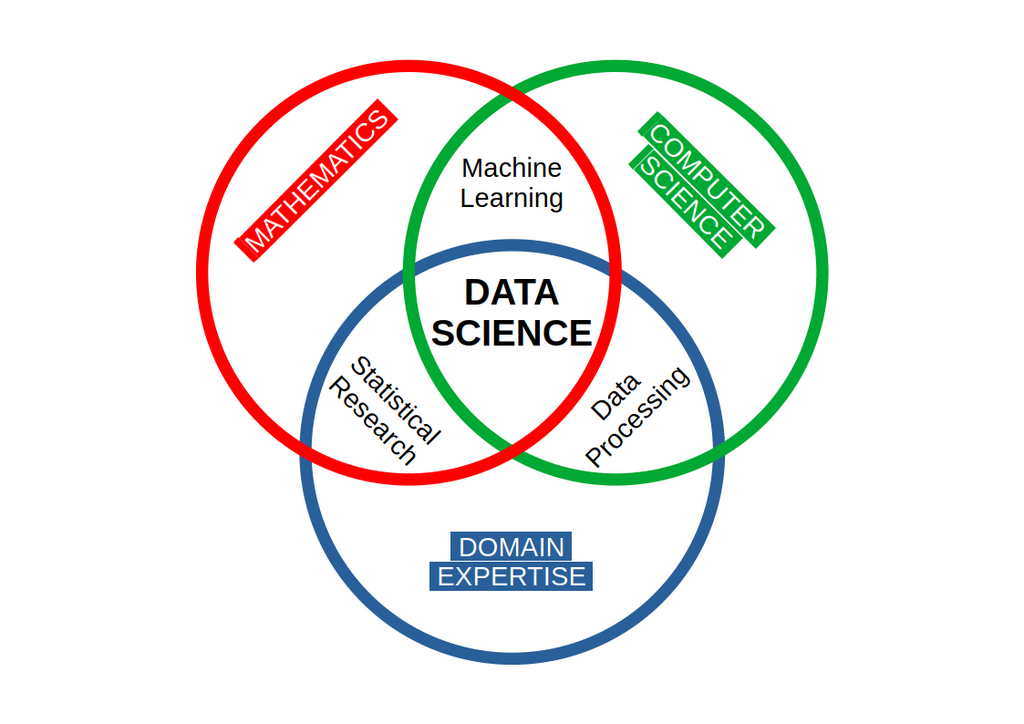
Without all three, you might have something useful, but it wouldn't be data science. For example, a computer scientist can build a database, but they need statistics to make sense of the information it holds. A statistician can find a pattern, but they need domain expertise to know if that pattern is meaningful or just a coincidence.
The Data Science Lifecycle
A data science project isn't a single event. It's a structured process, often called a lifecycle, that moves from a question to an answer. While the details can vary, the core stages are generally the same.
1. Problem Definition: It all starts with a question. What are we trying to figure out? This is arguably the most important step. A clear, well-defined problem guides the entire project. For example, a poor question is "How can we improve sales?" A better, more specific question is "Which marketing channel brought in the most new customers last quarter?"
2. Data Collection: Once you know the question, you need to gather the clues. This stage involves finding and accessing the right data from various sources, like databases, web APIs, or spreadsheets.
3. Data Preparation: Raw data is almost never perfect. It's often messy, with missing values, errors, or inconsistencies. This stage is about cleaning and organizing the data to make it ready for analysis. It's often the most time-consuming part of the process.
4. Data Analysis & Modeling: This is where the detective work really happens. Data scientists explore the data, look for trends, and may build models to make predictions. They use statistical methods and machine learning algorithms to uncover insights.
5. Data Reporting & Communication: An insight is useless if no one understands it. The final step is to communicate the findings clearly. This often involves creating visualizations like charts and graphs, and presenting the story the data tells to stakeholders who will use this information to make decisions.
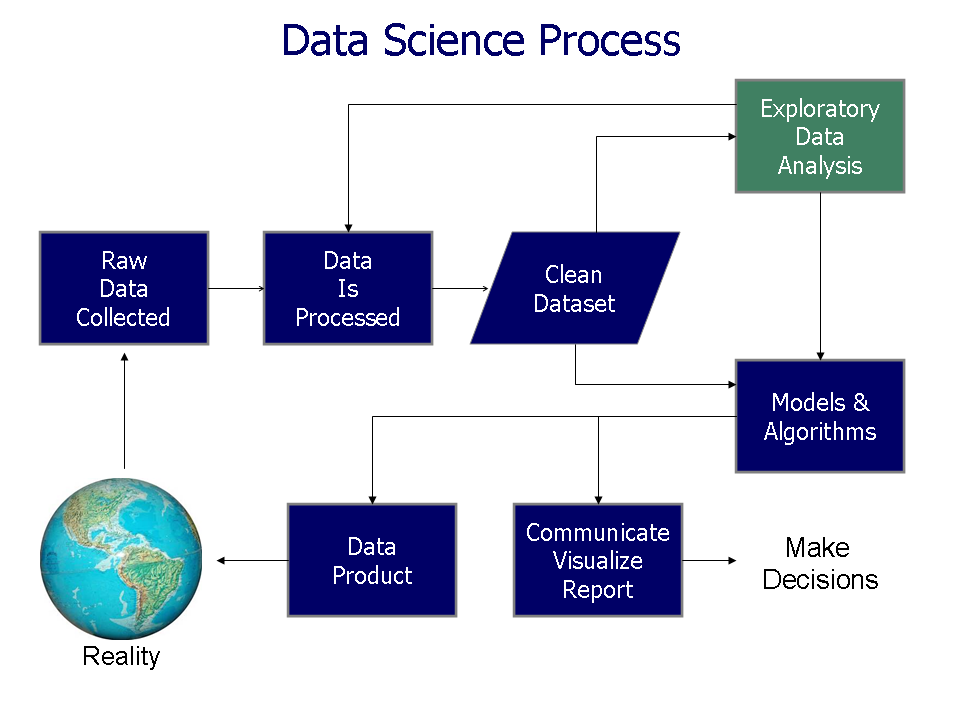
This process is a cycle because the answer to one question often leads to new ones, starting the process all over again. The goal is continuous improvement based on what the data reveals.
Why It Matters
The rise of data science is driven by one simple fact: we now have more data than ever before. Companies and organizations that can make sense of this data have a huge advantage. Instead of relying on gut feelings or old habits, they can make data-driven decisions.
Data-driven decision-making means using facts and evidence, not just intuition, to guide strategy and actions.
Imagine a streaming service. Instead of guessing what shows you might like, it analyzes your viewing history, what you've rated highly, and what similar users enjoy. It uses this data to recommend your next favorite show. That's data science in action, turning raw information into a personalized, valuable experience.
Let's check your understanding of these core concepts.
Which of the following best describes the three core components that blend to form data science?
A data scientist spends several days correcting errors, handling missing values, and standardizing formats in a dataset. Which phase of the data science lifecycle is this?
Understanding the what, why, and how of data science provides a solid foundation. It's a field that's not just about numbers, but about using those numbers to ask better questions and find smarter answers.