Introduction to Data Science
Introduction to Data Science
What Is Data Science?
Data science is the process of using data to understand the world and make better decisions. Think of it as a form of storytelling. Instead of using words alone, data scientists use numbers, code, and business knowledge to uncover hidden patterns and insights. The goal is to take a messy, complex set of information and turn it into a clear, actionable story.
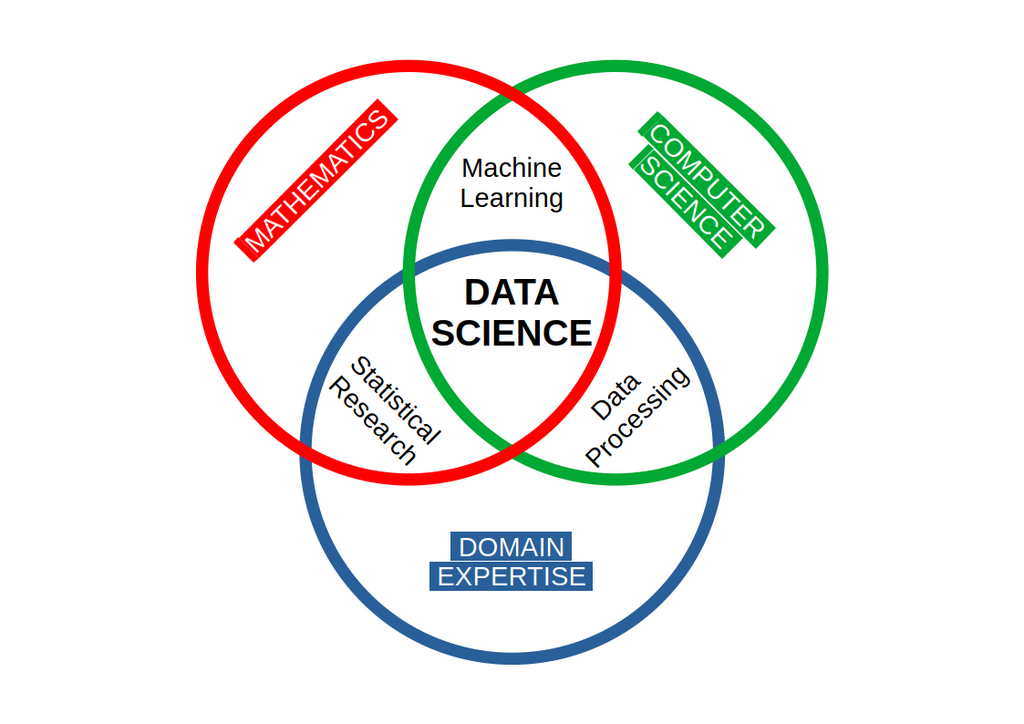
Data Science is an interdisciplinary field that uses various techniques from statistics, mathematics, computer science, and domain-specific knowledge to extract insights from vast amounts of data.
This field doesn't exist in a vacuum. It's a blend of several different disciplines. A data scientist needs to be part statistician, part computer scientist, and part subject-matter expert. You need statistical knowledge to analyze data correctly, computer science skills to manage and process large datasets, and domain expertise to ask the right questions and understand what the answers mean in a real-world context.
The Data Science Cycle
Data science isn't just a random exploration of data. It's a structured process, often visualized as a cycle. While different models exist, they generally follow the same core steps. Each phase builds on the one before it, and insights from later stages can lead you back to refine earlier ones. This iterative nature is key to doing good data science.
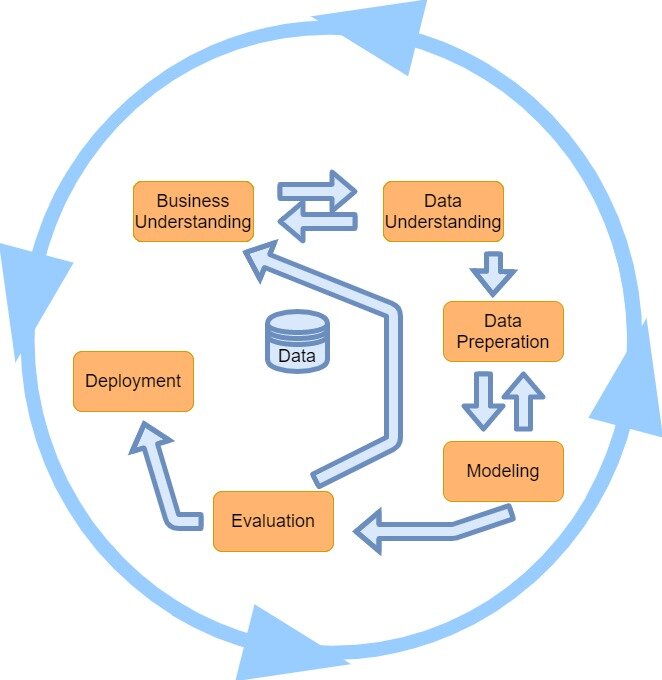
Let's walk through the main phases of this cycle.
Problem Definition: This is the starting point. Before you write a single line of code, you must understand the goal. What question are you trying to answer? What business problem are you trying to solve? A clear objective guides the entire project.
Data Collection: Once you know the problem, you need data. This phase involves finding and gathering the relevant information. Data can come from anywhere: internal databases, public datasets, web scraping, or surveys.
Data Preparation: Raw data is almost never clean. It might have errors, missing values, or inconsistent formatting. Preparation, often the most time-consuming step, involves cleaning and transforming the data into a usable format for analysis.
Analysis & Modeling: This is where the discovery happens. Data scientists explore the prepared data, look for patterns, and build predictive models. The goal is to turn the raw data into actual insights that address the initial problem.
Reporting & Deployment: The final step is to communicate your findings. An insight is useless if no one understands it. This involves creating visualizations, writing reports, or building tools that allow others to use your model's predictions to make decisions.
Now, let's test your understanding of these fundamental concepts.
What is the primary goal of data science?
Data science is described as an interdisciplinary field, blending which three core areas?
Understanding these core ideas—what data science is, its interdisciplinary nature, and the lifecycle of a project—provides a solid foundation for exploring this field further.