Introduction to Data Fundamentals
What is Data
What Is Data?
Data is all around us. In the simplest terms, data consists of raw, unorganized facts and figures. It's the basic building block of information. A list of numbers, a collection of names, or a series of temperature readings are all examples of data. By itself, data doesn't have much meaning. It's just a collection of symbols.
Think of data as the raw facts—like numbers in a spreadsheet.
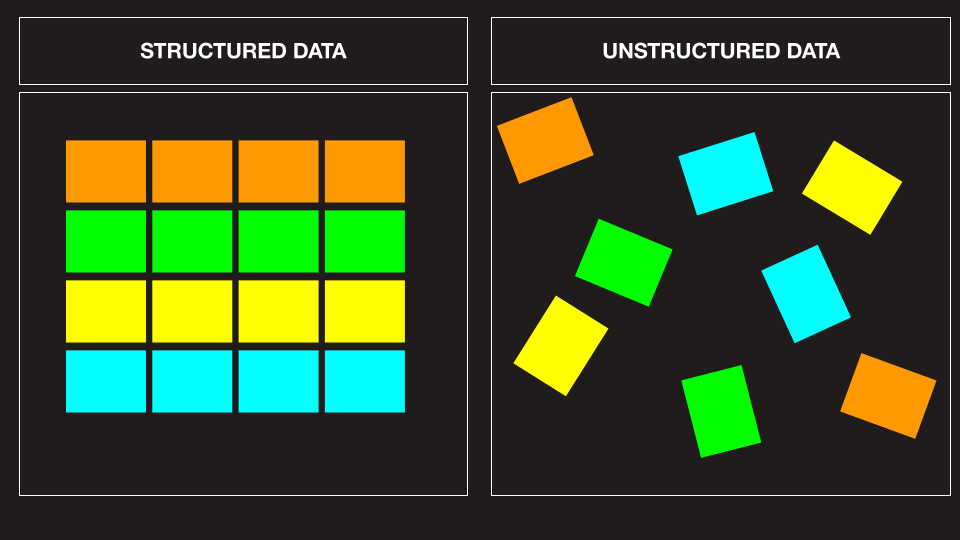
Data can take many different forms. When we think of data, we often picture numbers in a table, but it's much more than that. It can be text, like the words in this article or a tweet. It can be images, such as photos on your phone, or videos from a security camera. Even sounds, like a recorded conversation or a piece of music, are a form of data.
Data vs. Information
The key to unlocking the value of data is to turn it into information. While the two terms are often used interchangeably, they have distinct meanings. Data is the raw material. Information is what you get after that data has been processed, organized, and given context.
Imagine a list of numbers: 72, 85, 68, 91. That's data. It doesn't tell you much. But if you're told these are the test scores for a student, and you calculate the average score is 79, you now have information. The context (test scores) and processing (calculating the average) transformed meaningless numbers into a useful insight.
This transformation is everywhere. A GPS receiver in your car collects raw satellite signals (data). The receiver processes these signals to calculate your precise location and speed, displaying it on a map (information). This information then helps you decide which turn to take next.
Why Data Matters
Understanding data is crucial because it's the foundation for making smart decisions. From global corporations to individuals, we rely on data to navigate the world. A business analyzes sales data to understand which products are popular and which aren't. A doctor looks at a patient's medical data to diagnose an illness. A city planner studies traffic data to decide where to build new roads.
Without data, our choices would be based on guesswork or intuition alone. With data, we can spot trends, identify problems, and find evidence to support our actions. It allows us to move from simply reacting to events to actively shaping outcomes based on what the facts tell us.
In essence, data is the starting point for knowledge and understanding. By learning how to interpret raw facts and figures, we can gain powerful insights that help us in nearly every aspect of our lives.