Introduction to Data Engineering
Introduction to Data Engineering
The Architects of Data
Think about the water in your home. Before you can drink it, it travels from a reservoir, through a treatment plant, and into a complex network of pipes. You don't see this system, but you rely on it every day.
Data engineering works in a similar way. In our digital world, data is the new water. Companies collect vast amounts of it from sales, website clicks, user feedback, and more. But in its raw form, this data is often messy, disorganized, and unusable. Data engineering is the discipline of building the systems that collect, clean, and transport this data so it's ready for use.
A data engineer is primarily responsible for designing, building, and maintaining the infrastructure that allows organizations to collect, store, and analyze data.
Without data engineering, there would be no reliable data for making business decisions, training artificial intelligence, or understanding customer behavior. These engineers are the unsung heroes of the data world, creating the foundation upon which everything else is built.
Data Engineers vs. Data Scientists
The terms "data engineer" and "data scientist" are often used interchangeably, but they describe two distinct roles. While they work together closely, their focus and skills are different.
Data engineers are the builders. They construct the robust systems—the digital plumbing—that deliver clean, reliable data. Their work comes first. They are focused on infrastructure, architecture, and the efficient flow of information.
Data scientists are the analysts. They use the clean data provided by engineers to uncover insights, build predictive models, and answer complex business questions. Their work depends on the quality of the foundation laid by the engineers.
| Data Engineer | Data Scientist | |
|---|---|---|
| Focus | Builds and maintains data infrastructure | Analyzes data to find insights |
| Core Skills | Programming, database design, system architecture | Statistics, machine learning, data visualization |
| Primary Goal | Ensure data is available, reliable, and accessible | Answer questions and predict future trends |
| Analogy | Builds the kitchen and installs the plumbing | Uses the kitchen to cook a gourmet meal |
The Data Engineering Lifecycle
The work of a data engineer follows a clear, cyclical process designed to turn raw information into a valuable resource. This journey is often visualized as a data pipeline, a series of stages that data passes through.
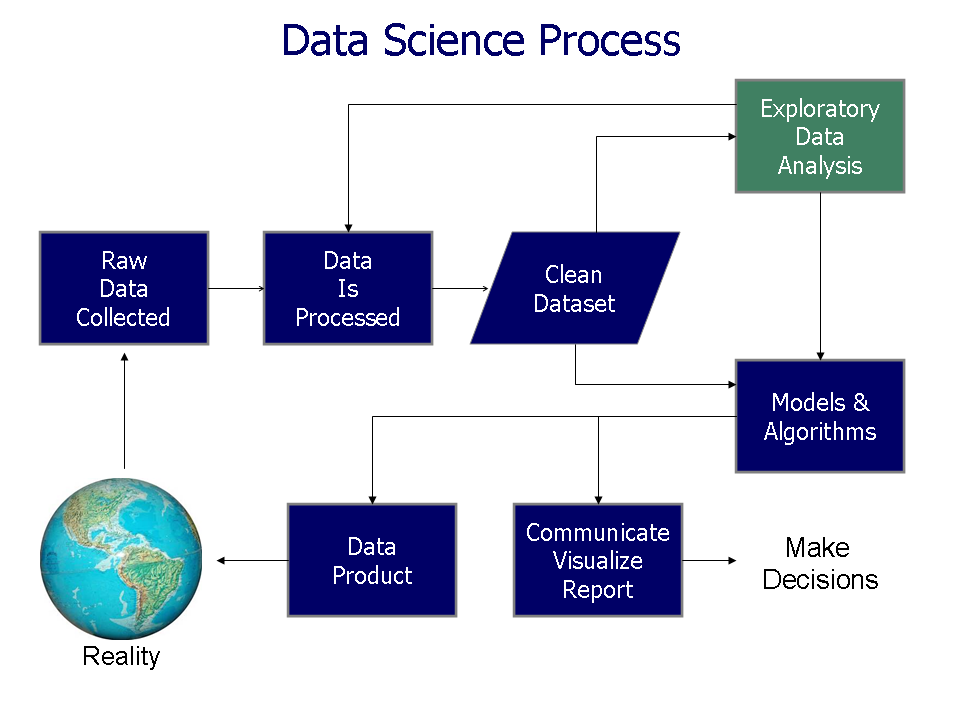
The lifecycle generally includes a few key phases:
-
Data Generation & Collection: Data is created from various sources, like user activity on an app, sensors in a factory, or transactions in a store. The engineer builds systems to gather this raw data.
-
Ingestion: This is the process of moving the collected data into a central storage system, such as a data lake or data warehouse. It's the first step in the pipeline.
-
Storage: Engineers choose and manage the right technologies to store massive amounts of data securely and efficiently, ensuring it can be accessed when needed.
-
Processing & Transformation: Raw data is rarely perfect. In this crucial step, engineers clean the data by removing errors, handle missing values, and transform it into a standardized, structured format. This is often called an ETL (Extract, Transform, Load) or ELT process.
-
Serving: The final, prepared data is made available to those who need it. This could be data scientists running analyses, business analysts creating dashboards, or applications that require real-time information.
Each stage of the lifecycle requires careful planning and robust engineering to ensure the final data is trustworthy. After all, decisions are only as good as the data they are based on.
The provided text uses an analogy to describe data engineering. What is it compared to?
What is the primary focus of a data engineer compared to a data scientist?
Data engineering provides the essential groundwork for the entire field of data science. By building and managing reliable data pipelines, these engineers empower organizations to harness the power of their information.