Introduction to Data Analytics
Introduction to Data Analytics
What Is Data Analytics?
Every day, we create a staggering amount of data. Every online purchase, social media post, and even your daily commute adds to a vast digital ocean of information. But raw data is just a collection of facts and figures. It isn't useful on its own. Data analytics is the process of examining that data to find trends, answer questions, and draw useful conclusions.
Data Analytics
noun
The science of analyzing raw data to make conclusions about that information. It involves applying an algorithmic or mechanical process to derive insights and, for example, running through sets of data to look for meaningful correlations.
Think of it like being a detective. A detective gathers clues—footprints, interviews, security footage—and pieces them together to solve a crime. A data analyst does something similar. They gather data, clean it up, and look for patterns to solve business problems or make better decisions. The goal is to turn a sea of numbers and text into a clear story that can guide action.
The primary goal of data analytics is to help individuals or organizations to make informed decisions based on patterns, behaviors, trends, preferences, or any type of meaningful data extracted from a collection of data.
The Data Journey
Turning raw data into actionable insights follows a structured path. While the specific tools and techniques can get complex, the overall process is straightforward and cyclical. It's a journey that starts with a question and ends with an answer, which often leads to new questions.
Here's a breakdown of the key phases:
- Data Collection: This is where it all begins. Data is gathered from various sources, such as customer surveys, sales records, website traffic, or social media.
- Data Cleaning: Raw data is often messy. It might have errors, duplicates, or missing information. Cleaning involves fixing these issues to ensure the data is accurate and consistent. Think of it as tidying up before you start cooking.
- Data Analysis: With clean data, the real investigation starts. Analysts use statistical methods and software tools to explore the data, identify patterns, test ideas, and find significant relationships.
- Data Visualization & Interpretation: Numbers alone can be hard to understand. This final step involves creating charts and graphs to present the findings in a clear, visual way. The goal is to tell a story with the data, making it easy for others to understand the insights and make informed decisions.
Analytics in the Real World
Data analytics isn't just a technical field; it's a powerful tool used in nearly every industry to solve practical problems and create new opportunities.
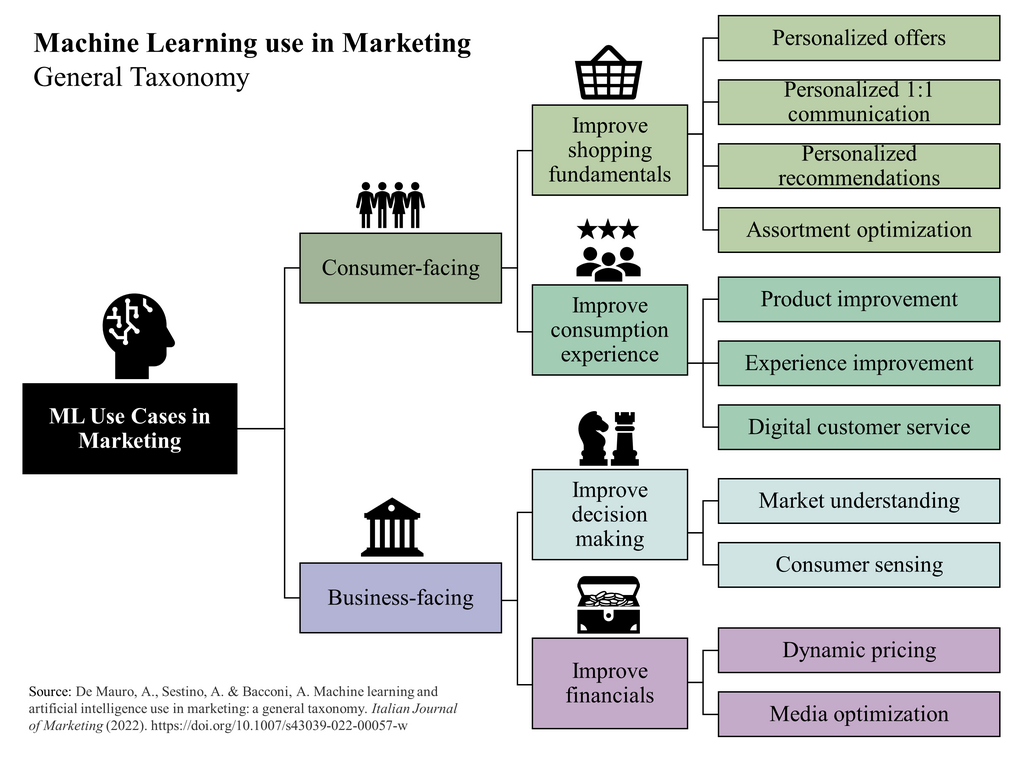
For example, in retail, companies like Amazon analyze your past purchases and browsing history to recommend products you might like. Streaming services such as Netflix do the same thing, analyzing viewing habits to suggest new shows and even decide which original series to produce.
In healthcare, analytics helps doctors predict disease outbreaks by analyzing health records and environmental data. Hospitals can also use it to manage resources more efficiently, ensuring they have enough staff and supplies during peak times.
Finance is another area where analytics is crucial. Banks use it to detect fraudulent transactions in real-time by identifying unusual spending patterns. Investment firms analyze market data to predict stock price movements and manage risk.
Even in city planning, data from traffic sensors helps optimize traffic light timing to reduce congestion. The applications are everywhere, quietly working to make systems smarter and our lives easier.
By transforming data into insights, organizations can move from reactive problem-solving to proactive decision-making, anticipating future trends instead of just responding to past events.
Time to check what you've learned.
What is the primary purpose of data analytics?
In the data analytics process, why is the 'Data Cleaning' phase so important?
Ultimately, data analytics is a way of thinking. It's about curiosity, critical thinking, and the skill of turning information into a story that drives change.