Introduction to Data Analytics
Introduction to Data Analytics
What Is Data Analytics?
Data analytics is the process of examining raw data to find trends and answer questions. Think of it like being a detective. You gather clues (data), look for patterns, and put the pieces together to solve a mystery (make a smart decision).
The goal is to turn a sea of facts and figures into clear, actionable insights. Instead of guessing what customers want or how a business can improve, data analytics allows organizations to make choices based on evidence.
Data analytics is the collection, transformation, and organization of these facts to draw conclusions, make predictions, and drive informed decision-making.
This process helps businesses understand what's working, what isn't, and what might happen next. It's not just about looking at the past; it's about using that information to shape a better future.
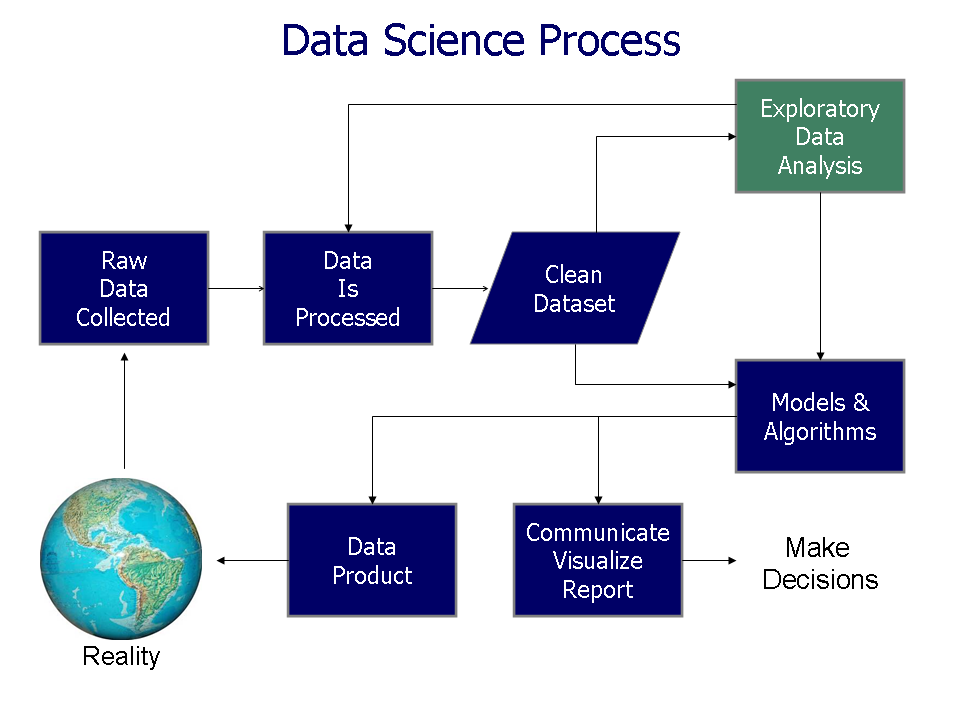
Key Terms to Know
As you start your journey in data analytics, you'll encounter a few key terms repeatedly. Let's define the most basic ones.
Data
noun
Raw, unorganized facts and figures. It can be anything from numbers in a spreadsheet and customer names in a list to photos and social media posts. By itself, data doesn't have much meaning.
Imagine a long list of numbers: 72, 65, 88, 91. That's data. It's not very useful without context.
Insight
noun
A valuable piece of understanding gained from analyzing data. It's the 'aha!' moment when the data reveals something new or important.
If we learn that the numbers 72, 65, 88, and 91 are the test scores for four students, we can calculate the average. If we learn that the student who scored a 65 is usually an A-student, we gain an insight that something might be wrong.
Why It Matters
Data analytics isn't just for tech companies. It's transforming nearly every industry by replacing guesswork with knowledge.
- Retail: An online store analyzes browsing history to recommend products you might actually like. This improves your shopping experience and increases their sales.
- Healthcare: Hospitals use patient data to predict which patients are at high risk for certain conditions, allowing for preventative care.
- Entertainment: Streaming services like Netflix and Spotify analyze your viewing and listening habits to create personalized recommendations and even decide which new shows or movies to produce.
- Finance: Banks analyze transaction data to detect fraudulent activity in real-time, protecting customers' accounts.
In every case, the goal is the same: use data to understand what's happening and make a smarter decision about what to do next.
What is the primary goal of data analytics?
An online store notes that a specific user has viewed the same pair of shoes three times in one week. What does this piece of information represent on its own?