Introduction to Data Analytics
Introduction to Data Analytics
What Is Data Analytics?
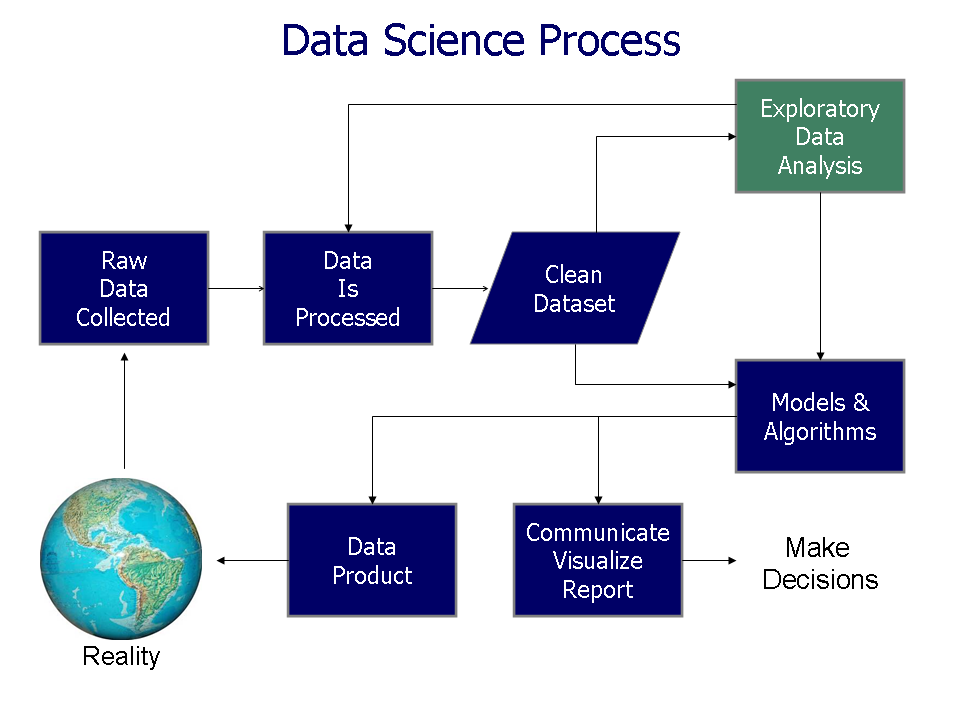
Data analytics is the process of examining raw data to find trends and answer questions. The ultimate goal is to turn that raw information into insights that can be used to make smarter, data-driven decisions. Think of it like a detective solving a case. The detective gathers clues (data), looks for patterns (analysis), and pieces them together to figure out what happened and why (insights).
The core idea is simple: transform raw facts into actionable knowledge.
In business, this is incredibly valuable. Companies use analytics to understand their customers, streamline their operations, and create better products. Instead of guessing what might work, they can use data to see what is working and what isn't. This helps them save money, reduce risks, and find new opportunities for growth.
The Four Types of Analytics
Data analytics isn't just one single activity. It's a spectrum of techniques that can be broken down into four main types. They build on each other, moving from simple reporting to complex recommendations.
Descriptive Analytics
adjective
The interpretation of historical data to better understand changes that have occurred in a business.
This is the most common type of analytics. It answers the question: What happened?
It involves summarizing past data into something easily understandable, like a sales report, a website traffic dashboard, or a summary of social media engagement. It gives you a clear picture of the past but doesn't explain why it happened.
Diagnostic Analytics
adjective
The examination of data or content to answer the question, "Why did it happen?"
This is the next step. It digs deeper to answer the question: Why did it happen?
If descriptive analytics shows that sales dropped in March, diagnostic analytics would try to find the cause. Did a competitor launch a new product? Was there a marketing campaign that failed? It involves finding correlations and identifying the root causes of past events.
Predictive Analytics
adjective
The use of data, statistical algorithms, and machine learning techniques to identify the likelihood of future outcomes based on historical data.
This type of analytics makes educated guesses about the future. It answers the question: What is likely to happen?
It uses historical data to find patterns and build models that can forecast future trends. For example, a retail company might use predictive analytics to estimate which products will be popular during the holiday season. It's about probabilities, not certainties.
Prescriptive Analytics
adjective
A form of data analytics which uses technology to help a business make better decisions through the analysis of raw data.
This is the most advanced form of analytics. It goes beyond predicting the future to answer the question: What should we do about it?
Prescriptive analytics uses the insights from all other types to recommend specific actions to achieve a desired goal. For example, it might not only predict a drop in sales but also suggest a specific marketing campaign, with a targeted audience and budget, to prevent it. It's about providing concrete, data-backed recommendations.
| Analytics Type | Key Question | Example |
|---|---|---|
| Descriptive | What happened? | Sales were $10,000 last month. |
| Diagnostic | Why did it happen? | Sales were down because of a competitor's promotion. |
| Predictive | What will happen? | We forecast sales of $12,000 next month. |
| Prescriptive | What should we do? | To reach $15,000, launch a 10% discount for repeat customers. |
Analytics in the Real World
These concepts aren't just theoretical. Data analytics is used in almost every industry to solve real problems.
- Healthcare: Hospitals use predictive analytics to identify patients at high risk of being readmitted. This allows them to provide extra care before the patient even leaves, improving patient outcomes and reducing costs.
- Finance: Banks use analytics to detect fraudulent credit card transactions in real-time. By analyzing spending patterns, they can spot unusual activity and block a transaction before it's too late.
- Entertainment: Streaming services like Netflix and Spotify use prescriptive analytics to recommend what you should watch or listen to next. They analyze your viewing history and compare it to millions of other users to suggest content you're likely to enjoy.
From optimizing shipping routes for delivery companies to helping farmers determine the best time to plant crops, data analytics is a powerful tool for making more informed and effective decisions everywhere.
What is the primary goal of data analytics?
A company generates a report that summarizes total sales for the previous quarter. This is an example of which type of analytics?
This foundation gives you a map of the data analytics landscape. You now understand what it is, why it matters, and the different ways it can be used to turn data into decisions.