Introduction to Data Analytics
Introduction to Data Analytics
What is Data Analytics?
Data analytics is the process of examining data to find trends, answer questions, and draw conclusions. Think of it like a detective solving a mystery. The data points are clues, and the analyst is the detective who pieces them together to tell a story and figure out what happened, what's happening now, and what might happen next.
From a business deciding which new product to launch, to a doctor choosing the most effective treatment for a patient, data analytics helps people make smarter, more informed decisions. Instead of relying on guesswork, we can use data to guide our choices.
The primary goal of data analytics is to help individuals or organizations to make informed decisions based on patterns, behaviors, trends, preferences, or any type of meaningful data extracted from a collection of data.
The Raw Materials of Insight
Before you can analyze anything, you need data. Data comes in many forms, but it generally falls into two main categories: structured and unstructured.
Structured data is highly organized and formatted in a way that makes it easy to search and analyze. Imagine a neatly organized spreadsheet or a library's card catalog. Each piece of information has its own designated spot.
Examples include names and addresses in a customer database, sales figures in a financial report, or dates on a calendar.
Unstructured data is the opposite. It has no predefined format, making it more difficult to process. Think of a messy pile of documents, a collection of photos, or recordings of conversations. The information is all there, but it's not organized.
Examples include the text of an email, social media posts, videos, and audio files. A huge amount of the world's data is unstructured, and new tools are constantly being developed to make sense of it.
| Feature | Structured Data | Unstructured Data |
|---|---|---|
| Organization | Highly organized | No predefined model |
| Format | Tabular (rows & columns) | Varies (text, images, video) |
| Examples | Customer databases, spreadsheets | Emails, social media posts |
| Ease of Analysis | Simpler to analyze | More complex to analyze |
The Data Analytics Lifecycle
Getting from raw data to a useful insight isn't a single step. It’s a process, often called a lifecycle, that guides an analyst’s work. While the specifics can vary, the core stages provide a reliable roadmap for any data project.
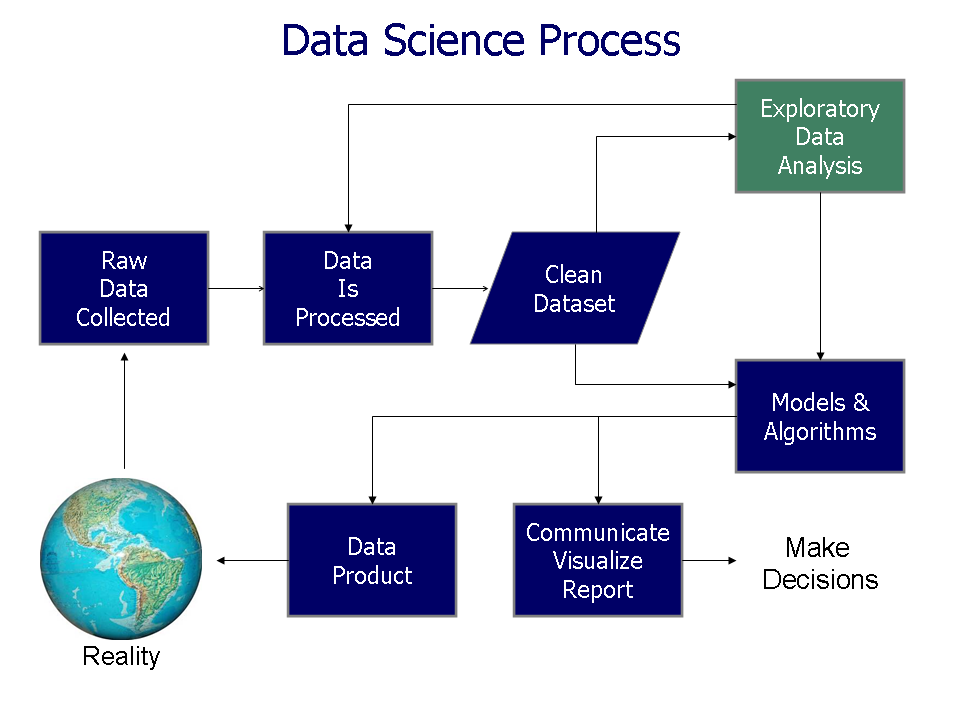
Here's a simple breakdown of the main stages:
-
Ask the Right Question: It all starts with a clear objective. What business question are you trying to answer? This could be anything from "Why are sales down in a specific region?" to "Which customers are most likely to stop using our service?"
-
Data Collection: Once you know what you're looking for, you need to gather the relevant data. This data might come from internal sources like sales records or external sources like market research reports.
-
Data Cleaning and Preparation: Raw data is rarely perfect. It often contains errors, duplicates, or missing values. This crucial stage involves cleaning and organizing the data to ensure it's accurate and ready for analysis.
-
Data Analysis: This is where the detective work happens. Analysts use various tools and techniques, from simple statistics to complex machine learning models, to explore the data, find patterns, identify relationships, and uncover insights.
-
Interpretation and Visualization: The findings need to be translated into a clear, understandable story. Analysts interpret the results and often use charts and graphs to visualize the information, making it easier for others to understand the key takeaways.
-
Action: The final step is to use these insights to make a decision. The goal of the entire process is to drive action, whether that's changing a marketing strategy, improving a product, or optimizing a business process.
This lifecycle isn't always a straight line. Often, an analyst will circle back to earlier steps as they learn more from the data, refining their questions and analysis along the way.
Let's test your understanding of these core concepts.