Introduction to Data Analysis
Introduction to Data Analysis
What is Data Analysis?
Data analysis is the process of inspecting, cleaning, transforming, and modeling data to discover useful information, inform conclusions, and support decision-making. Think of it like being a detective. You start with a pile of clues—raw data—and your job is to sort through them, find connections, and piece together a story that solves a mystery.
Raw data on its own is just a collection of numbers and text. It doesn't mean much. A list of sales figures is just a list. But through analysis, that list can reveal your busiest sales day, your most popular product, or even predict what customers might buy next. The goal is to turn noise into signal.
Data analysis transforms raw data into actionable insights.
Where is Data Analysis Used?
Data analysis isn't just for scientists or tech companies. It's used everywhere, often in ways you might not expect. It helps people and organizations make smarter, evidence-based choices instead of just guessing.
| Industry | Application |
|---|---|
| Retail | Analyzing shopping habits to recommend products and manage store inventory. |
| Healthcare | Identifying patterns in patient data to predict disease outbreaks or improve care. |
| Finance | Assessing credit risk for loans and detecting fraudulent transactions. |
| Entertainment | Using viewing data to suggest movies and decide which new shows to create. |
| Sports | Evaluating player performance statistics to build a stronger team. |
In each case, data provides the foundation for strategy. A retailer that knows when people buy certain items can run more effective promotions. A streaming service that understands what viewers love can invest in content that keeps them subscribed.
The Data Analysis Process
While the specific tools can vary, the overall process of data analysis follows a consistent path. It’s a cycle that moves from a broad question to a specific, data-backed answer.
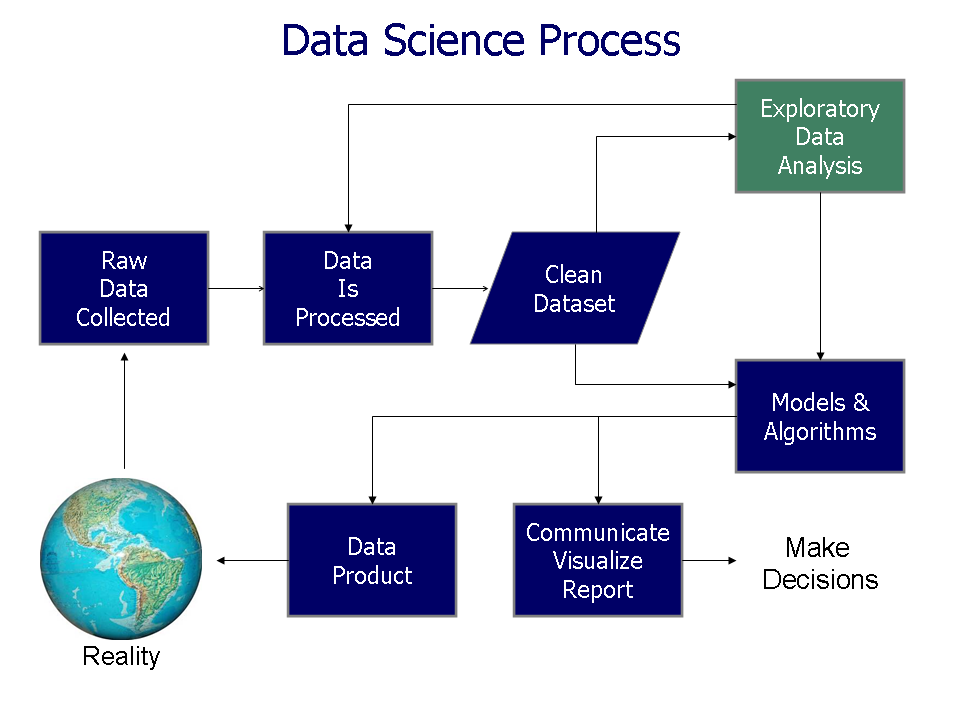
The journey typically involves a few key stages. It starts with defining what you need to know and ends with sharing what you've found.
-
Ask a Question: It all begins with curiosity. What problem are you trying to solve? What do you want to find out? A clear question focuses the entire analysis.
-
Collect Data: Once you know your question, you need to gather the relevant information. This data can come from surveys, sales records, web traffic, or public databases.
-
Clean Data: Real-world data is often messy. It might have errors, duplicates, or missing pieces. Cleaning involves fixing these issues to ensure the data is accurate and reliable.
-
Analyze Data: This is the discovery phase. You explore the clean data, looking for patterns, trends, and relationships. It’s where you connect the dots.
-
Interpret & Share: Finally, you translate your findings into a clear, understandable story. This often involves creating charts and graphs to visualize the results, making it easy for others to see the insights you've uncovered.
Now, let's test your understanding of these core concepts.
What is the primary goal of data analysis?
According to the typical data analysis process, which of these activities comes immediately after collecting the data?
Understanding this framework is the first step toward using data to make better decisions in any field.