Introduction to Data Analysis
Introduction to Data Analysis
What Is Data Analysis?
At its core, data analysis is the process of inspecting, cleaning, transforming, and modeling data to discover useful information, draw conclusions, and support decision-making. Think of it as telling a story with numbers and facts. Businesses use it to understand customers, streamline operations, and develop new products. In healthcare, it can predict disease outbreaks. In sports, it helps teams scout players and develop game strategies.

The main goal is to turn raw data, which can be messy and overwhelming, into clear, actionable insights. Without analysis, data is just a collection of numbers and text. With analysis, it becomes a powerful tool for solving problems and finding opportunities.
The Role of a Data Analyst
A data analyst is like a detective. They sift through clues (data) to solve a mystery or answer an important question. Their job isn't just about crunching numbers; it's about asking the right questions, finding the relevant data, and then communicating the story that data tells to people who can act on it.
A data analyst collects, cleans, and interprets data sets in order to answer a question or solve a problem.
Key responsibilities often include:
- Collecting Data: Gathering information from various sources like databases, surveys, or web traffic.
- Cleaning Data: Fixing errors, handling missing values, and making sure the data is consistent and ready for analysis.
- Analyzing Data: Using statistical techniques to find patterns, correlations, and trends.
- Visualizing and Reporting: Creating charts, graphs, and dashboards to present findings in an understandable way.
Four Types of Analysis
Data analysis isn't a one-size-fits-all process. It can be broken down into four distinct types, each answering a different kind of question. These types often build on one another, moving from a simple summary of the past to recommendations for the future.
Descriptive analysis is the simplest type. It summarizes past data to explain what happened. Think of a coffee shop owner looking at a report that shows they sold 500 lattes last week. That's descriptive analysis.
Diagnostic analysis goes a step deeper to understand why something happened. The coffee shop owner might dig into the data and discover that a "buy one, get one free" promotion caused the spike in latte sales. This type of analysis looks for causes and connections.
Predictive analysis uses historical data to forecast future outcomes. Using past sales data, our coffee shop owner could predict how many lattes they are likely to sell next week if they run a similar promotion. This helps with planning, like ordering enough milk and coffee beans.
Prescriptive analysis is the most advanced type. It not only predicts what will happen but also suggests a course of action. An analysis might recommend the best day of the week to run the latte promotion to maximize profit while ensuring the shop has enough staff.
The Data Analysis Process
While every project is unique, most data analysis follows a general workflow. This process ensures that the analysis is thorough, accurate, and leads to valuable insights.
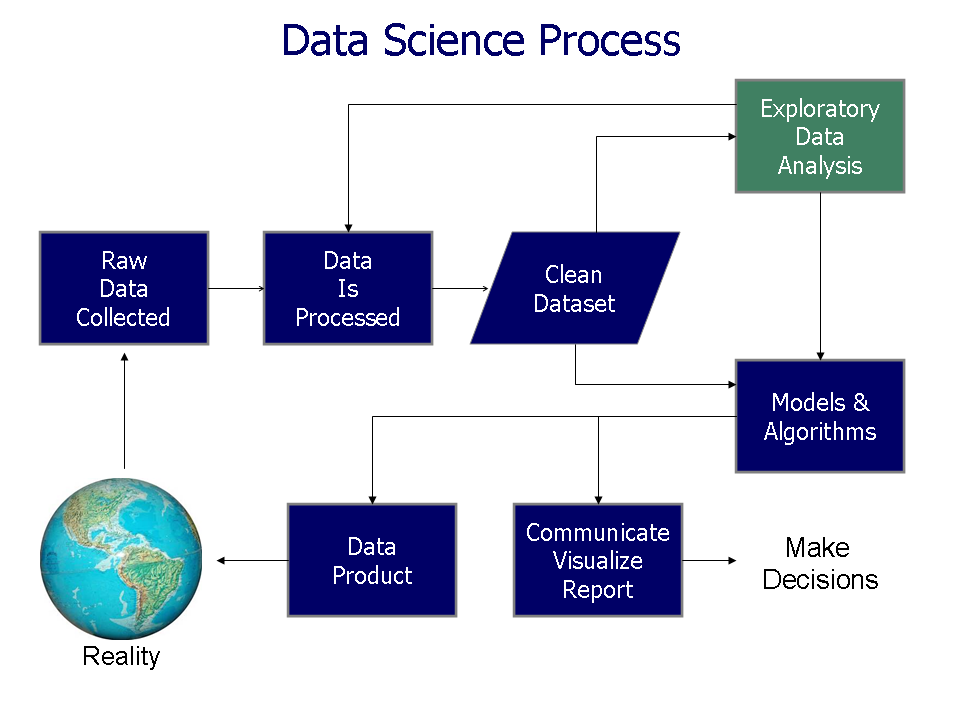
The main stages are:
- Define the Question: What problem are you trying to solve? This is the most important step. A clear question guides the entire process.
- Collect Data: Find and gather the information needed to answer the question.
- Clean Data: This is often the most time-consuming part. It involves removing errors, duplicates, and inconsistencies to ensure data quality.
- Analyze Data: This is where you explore the data, look for patterns, and build models to answer your question.
- Interpret and Report: The final step is to interpret the results and communicate your findings to others, usually through reports, dashboards, or presentations. The goal is to tell a clear story that leads to a decision.
This structured approach helps turn data from a raw resource into a strategic asset.
Now, let's test your understanding of these core concepts.
What is the primary goal of data analysis?
A city's transportation department uses historical traffic data to forecast traffic volume for an upcoming holiday weekend. This helps them plan for potential congestion. What type of data analysis is this?
Understanding these fundamentals provides a solid base for exploring the world of data. It's a field that combines curiosity with evidence to help us make smarter choices in virtually every area of life.