Introduction to Data Analysis
Introduction to Data Analysis
What Is Data Analysis?
Data analysis is the process of turning raw facts and figures into useful information. Think of a detective solving a mystery. The clues—fingerprints, witness statements, stray threads—are like raw data. On their own, they don't mean much. But when the detective organizes, examines, and connects them, a story emerges that solves the case.
That's what data analysis does. It takes messy, unorganized data and finds the patterns, trends, and insights hidden within. This process helps people and organizations make smarter decisions, understand problems, and discover new opportunities.
Why is this so important? Because without it, we're just guessing. A business might guess why its sales are down. A doctor might guess which treatment is best. Data analysis replaces guesswork with evidence.
It’s happening all around you. When a streaming service suggests a movie you might like, it's analyzing your viewing history. When your weather app predicts rain, it's analyzing massive atmospheric datasets. From improving a company's marketing strategy to helping scientists find new medical treatments, data analysis is a powerful tool for understanding the world.
The Data Analysis Workflow
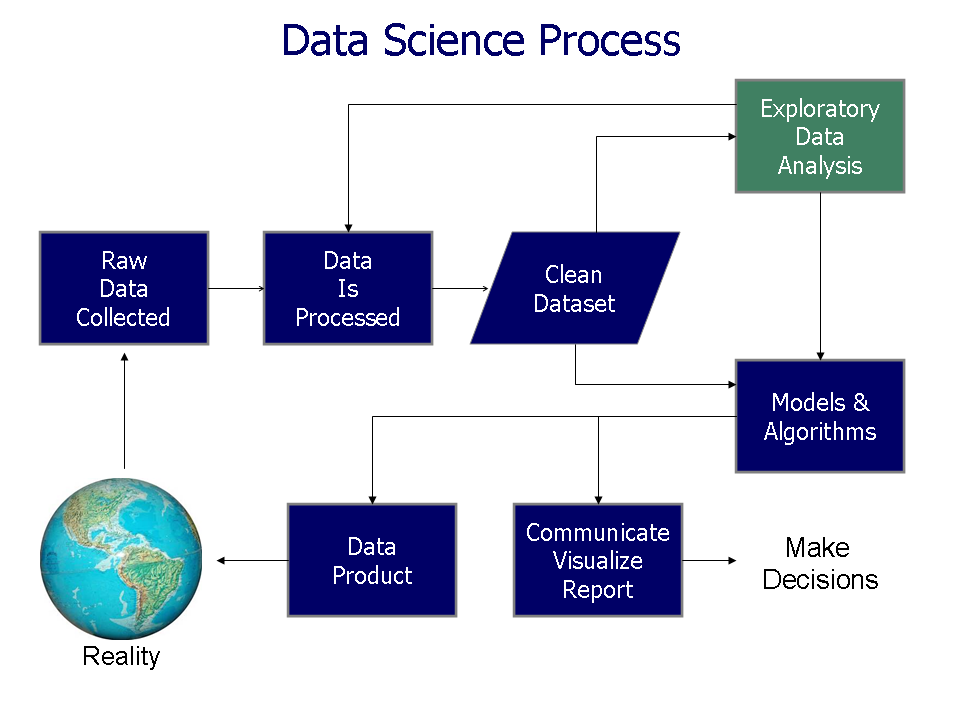
Data analysis isn't a single action but a structured process. While the details can vary, the journey from a question to an answer generally follows a clear path. It's an iterative cycle where each step builds on the last.
Let's break down these stages:
-
Define the Question: Before you can find answers, you need a clear question. This is the most critical step. A good question is specific and measurable. Instead of asking, "How can we improve our website?" a data analyst might ask, "Which pages on our website have the highest drop-off rate, and what do those pages have in common?"
-
Collect Data: Once you know the question, you can gather the relevant information. This might come from customer surveys, sales figures, website traffic, or public databases. The key is to collect data that directly relates to your question.
-
Clean Data: Raw data is rarely perfect. It often contains errors, duplicates, or missing values. This stage involves tidying up the dataset to ensure it's accurate and consistent. For example, you might correct spelling mistakes in a list of cities or fill in missing age information if possible.
-
Analyze Data: This is where the discovery happens. Using various tools and techniques, the analyst explores the cleaned data. They might calculate averages, look for correlations between different variables, or create simple charts to visualize trends. The goal is to find the story the data is telling.
-
Share Results: An insight is only useful if it's understood by others. The final step is to interpret the findings and communicate them clearly. This often involves creating reports, dashboards, or presentations that summarize the answer to the original question and recommend actions.
Data Analysis in Action
The applications of data analysis are vast and touch nearly every field imaginable. It's not just for tech companies or scientists.
| Field | How Data Analysis is Used |
|---|---|
| Healthcare | To predict disease outbreaks, improve patient care, and make treatments more effective. |
| Retail | To understand customer buying habits, manage inventory, and personalize marketing campaigns. |
| Finance | To detect fraudulent transactions, assess investment risk, and forecast market trends. |
| Transportation | To optimize shipping routes, manage traffic flow in cities, and improve public transit schedules. |
| Entertainment | To recommend songs and movies, and to help studios decide which new projects to fund. |
| Sports | To evaluate player performance, develop game strategies, and identify promising new talent. |
In each case, the core principle is the same: using data to move beyond intuition and make informed, evidence-based decisions. By learning the fundamentals of data analysis, you gain a powerful lens for understanding the complex systems that shape our world.
Now let's test your understanding of these core concepts.
What is the primary goal of data analysis?
Which of the following is the most critical first step in the data analysis process?
Great job. You've now got a solid overview of what data analysis is and why it's so fundamental in today's world.