Introduction to Data Analysis
Introduction to Data Analysis
What Is Data Analysis?
At its core, data analysis is the process of inspecting, cleaning, transforming, and modeling data to discover useful information, draw conclusions, and support decision-making. Think of it like being a detective. You're given a pile of clues—raw data—and your job is to sort through them, find patterns, and piece together a story that solves a mystery.
This process isn't just for tech companies. A hospital might analyze patient data to improve treatments. A retail store might track sales figures to decide which products to stock. A city government could study traffic patterns to optimize public transportation. In every field, data provides the raw material for better decisions.
The goal is simple: turn raw facts and figures into actionable insights.
The Data Detective
The person who does this work is a data analyst. Their role is to be a bridge between the raw data and the people who need to make decisions. They don't just crunch numbers; they tell stories with data.

A data analyst’s key responsibilities usually include:
- Gathering Data: They identify and collect data from various sources, like databases, surveys, or web traffic.
- Cleaning Data: Raw data is often messy. It can have errors, duplicates, or missing pieces. An analyst cleans it up to make sure it's accurate and ready for analysis.
- Analyzing Data: This is the discovery phase. Analysts use different techniques to find trends, patterns, and correlations.
- Interpreting and Communicating: After finding something interesting, the analyst must explain what it means. They often create charts, graphs, and reports to share their findings with others in a way that’s easy to understand.
The Analysis Process
While every project is different, data analysis generally follows a standard lifecycle. It's a structured approach that ensures the conclusions are sound and the insights are relevant.
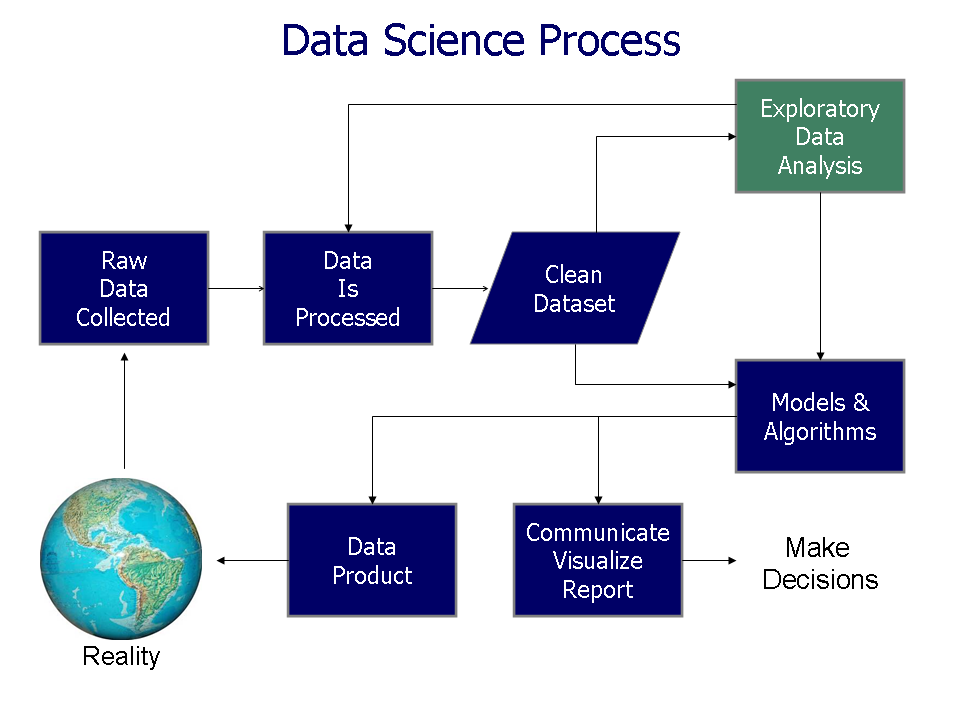
The process can be broken down into a few key stages:
- Define the Question: What problem are you trying to solve? This first step guides the entire process. Without a clear question, the analysis has no direction.
- Collect Data: Once you know the question, you can gather the relevant data needed to answer it. This might come from internal company records or external sources.
- Clean Data: This is a critical step. The analyst prepares the data by fixing errors, handling missing values, and removing inconsistencies. High-quality analysis depends on high-quality data.
- Analyze Data: The analyst explores the data, looking for patterns. This is where they might spot a trend in sales, an unexpected relationship between two variables, or an outlier that needs investigation.
- Interpret and Share: Finally, the analyst translates their findings into a compelling story. They present the results to stakeholders, often using visualizations to make the key takeaways clear. This interpretation is what leads to data-driven decisions.
Ready to check your understanding?
What is the primary goal of data analysis?
In the data analysis lifecycle, which step is considered the most critical for ensuring the quality and accuracy of the results?
Understanding these fundamentals provides a solid foundation for exploring the world of data.