Introduction to Data Analysis
Introduction to Data Analysis
Turning Data Into Decisions
Data analysis is the process of inspecting, cleaning, and modeling data to discover useful information. It’s about turning raw facts into meaningful insights that help you make smarter choices. Think of it like being a detective. You gather clues (data), look for patterns, and piece them together to solve a puzzle.
In a world overflowing with information, just having data isn't enough. The real power comes from understanding it. Instead of relying on gut feelings or guesswork, data analysis allows businesses, scientists, and organizations to base their decisions on evidence. This leads to better strategies, more efficient operations, and new discoveries.
The Analysis Workflow
Data analysis isn't a single action but a sequence of steps. While the specifics can change depending on the goal, the general process follows a clear path from raw data to actionable insight.
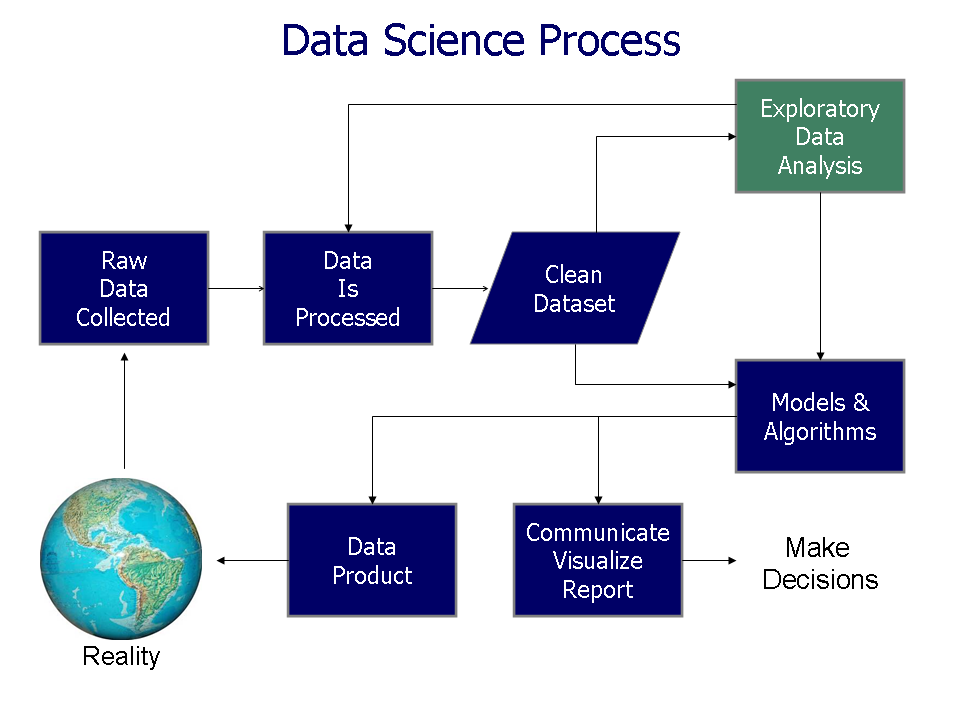
The journey starts with Data Collection. This is the stage where raw information is gathered from various sources, such as customer surveys, website traffic, sales figures, or scientific experiments.
Next comes Data Cleaning. Raw data is often messy. It might have errors, duplicates, or missing pieces. Cleaning involves fixing these issues to ensure the data is accurate and reliable. It’s like washing vegetables before you start cooking; you need quality ingredients for a good meal.
Once the data is clean, the Exploration phase begins. Here, analysts get a first look at the data to understand its basic characteristics. They might use charts and graphs to spot initial trends, outliers, or interesting patterns. This step helps guide the deeper analysis that follows.
This exploratory phase is about asking questions like, "What are the highest and lowest values?" or "How are different pieces of data related?"
The core of the process is Modeling and Analysis. In this stage, analysts apply statistical techniques or algorithms to dig deeper and test hypotheses. The goal is to find significant relationships, predict future outcomes, or group similar data points together.
Finally, the findings must be shared. Interpretation and Communication is the last step, where the analyst translates the technical results into a clear story. This often involves creating visualizations and reports that stakeholders can easily understand and use to make informed decisions.
Data Analysis in Action
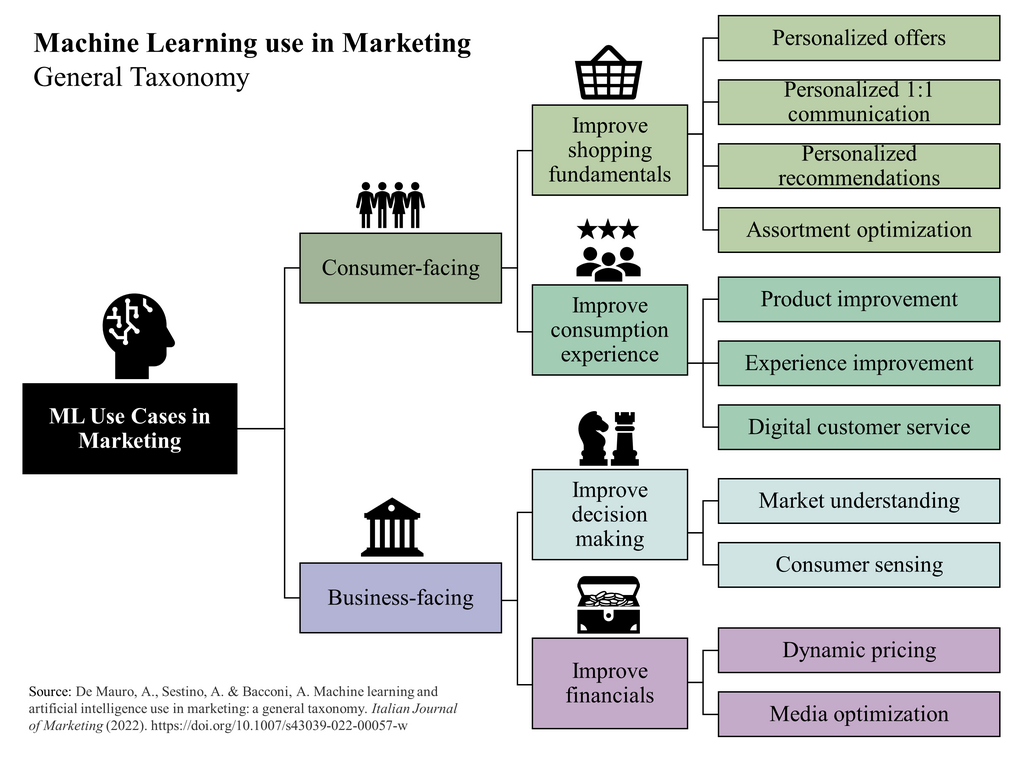
The applications of data analysis are everywhere. Businesses use it to understand customer behavior and personalize marketing campaigns. In healthcare, it helps predict disease outbreaks and find more effective treatments. Sports teams even analyze player performance data to build winning strategies.
From optimizing a factory's supply chain to helping a city manage traffic flow, data analysis provides the critical insights needed to solve complex problems. It's a fundamental skill for navigating and improving the modern world.