Introduction to Cybersecurity
Introduction to Cybersecurity
What Is Cybersecurity?
Think about all the ways you protect your home. You lock the doors, close the windows, and maybe even have an alarm system. You do these things to keep your family and belongings safe from unwanted intruders.
Cybersecurity is the same basic idea, but for your digital life. It’s the practice of protecting all the systems, networks, and programs we use from digital attacks. These attacks are usually aimed at accessing, changing, or destroying sensitive information, extorting money, or interrupting normal business processes.
cybersecurity
noun
The practice of defending computers, servers, mobile devices, electronic systems, networks, and data from malicious attacks.
The scope of cybersecurity is vast. It isn't just about your laptop or the company server in the basement. It covers everything from your smartphone and your smart TV to the massive cloud systems that power our favorite apps. It even extends to critical infrastructure like power grids and financial networks. If it's connected to the internet, it needs protection.
Why It Matters More Than Ever
Two decades ago, a major computer problem might have meant you couldn't play a game or access your email. Today, the stakes are much higher. We bank, shop, work, and connect with loved ones online. Our most personal information, from medical records to financial details, lives on servers we'll never see.
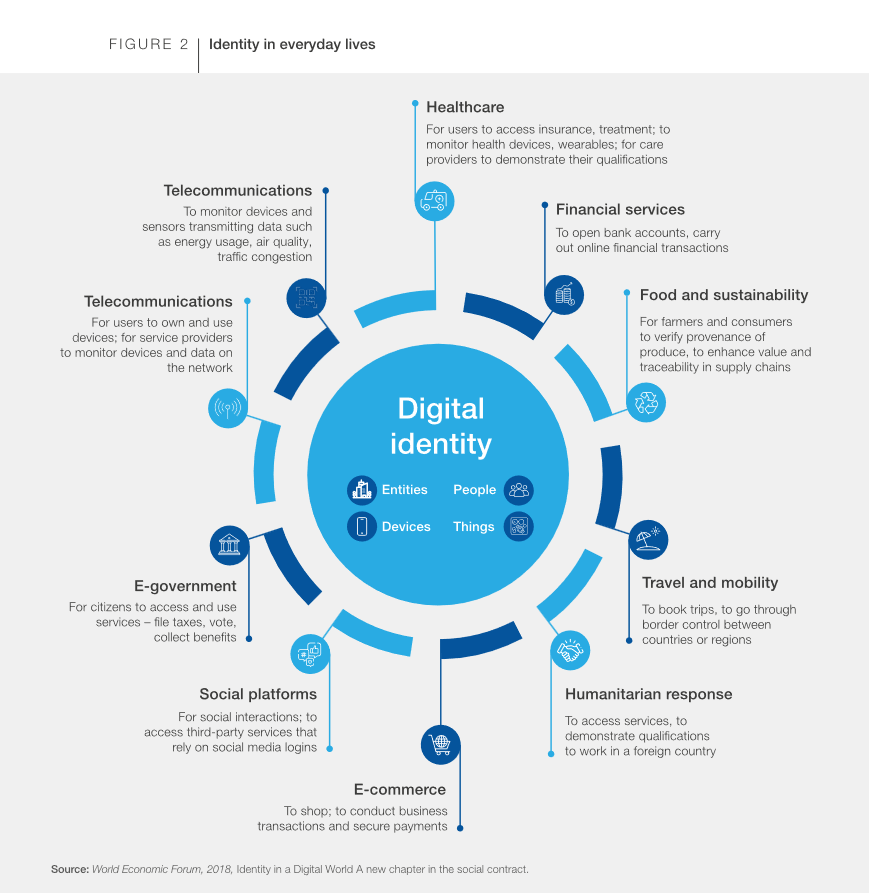
This digital transformation has brought incredible convenience, but it has also created new vulnerabilities. Every piece of data we share, every new device we connect, becomes a potential entry point for attackers. Protecting this information isn't just a technical problem; it's a fundamental part of modern safety and privacy.
When everything is connected, everyone is at risk. That's why understanding cybersecurity is no longer optional.
A Constantly Evolving Threat
The world of cyber threats is not static. It’s a constant cat-and-mouse game between attackers and defenders. Early on, many digital threats were acts of mischief or vandalism. Today, the landscape is dominated by sophisticated, well-organized groups.
These adversaries are creative and persistent. As our defenses get stronger, their methods of attack become more clever. They are constantly looking for new weaknesses to exploit in software, networks, and even human psychology. This means the field of cybersecurity must also constantly adapt and evolve.
Cybersecurity is a continuous process that evolves with emerging threats.
The Impact of a Breach
What happens when cybersecurity fails? The consequences of a security breach can be severe and far-reaching.
For an individual, it could mean identity theft, financial loss, or the exposure of private photos and messages. Imagine a stranger gaining access to your bank account or using your identity to commit fraud. The damage can go beyond money, causing significant stress and a long-lasting sense of vulnerability.
For businesses and organizations, the impact can be catastrophic. A breach can lead to enormous financial losses from theft and business disruption. It can also damage a company's reputation, sometimes permanently, as customers lose trust. In some cases, such as in healthcare or government, a security failure can even put lives at risk.

Cybersecurity, then, is about managing risk on both a personal and a societal level. It's the essential practice that enables us to use powerful technology safely and confidently.