Introduction to Cybersecurity and Hacking
Introduction to Cybersecurity
Why Cybersecurity Matters
Think of all the important information in your life. Your bank account details, private messages, photos, and even your home address are all stored digitally. Cybersecurity is the practice of protecting this information, along with the computers, networks, and systems that hold it, from theft, damage, or unauthorized access. It’s like locking the doors and windows of your digital house.
Without cybersecurity, our personal, financial, and even national security information is vulnerable to being stolen or misused.
cybersecurity
noun
The practice of protecting systems, networks, and programs from digital attacks.
This isn't just for big corporations or governments. From online shopping to social media, our daily lives are deeply intertwined with the digital world. Strong cybersecurity ensures we can trust these systems and keep our private lives private.
Common Digital Dangers
Cyber attacks come in many forms, but a few are especially common. Understanding them is the first step toward avoiding them.
malware
noun
Short for "malicious software," this is any software intentionally designed to cause damage to a computer, server, client, or computer network.
Malware is a broad category that includes viruses, ransomware, and spyware. Think of it like a biological virus; it infects a system and can spread, causing all sorts of problems from slowing down your computer to locking up your files and demanding a ransom.
Humans are often the weakest link in cybersecurity.
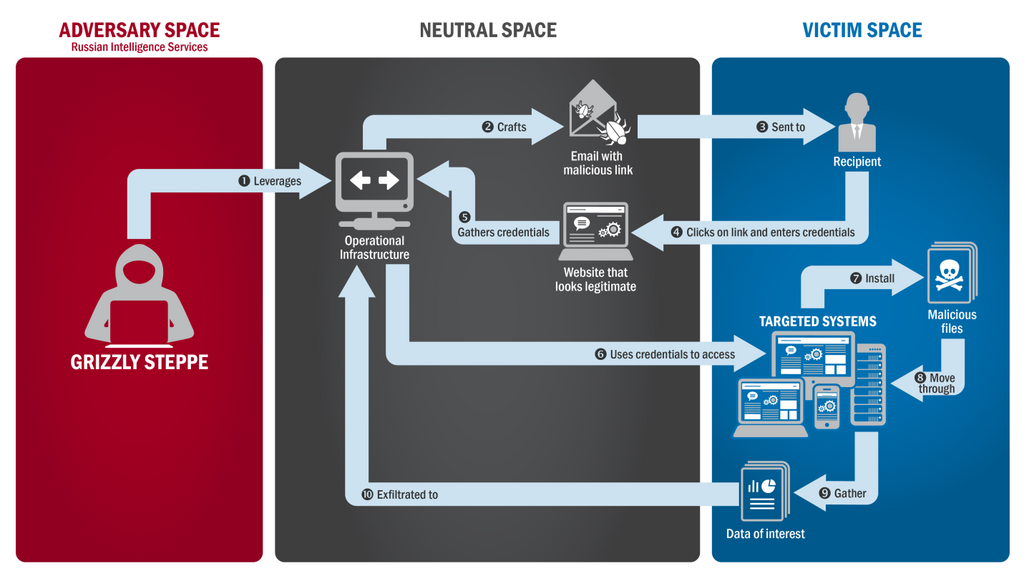
Another common threat is phishing. This is a type of social engineering where an attacker sends a fraudulent message designed to trick a person into revealing sensitive information. It's like a fisherman casting a lure, hoping a fish will bite.
A classic phishing attempt is an email that looks like it's from your bank, asking you to click a link and "verify" your account details on a fake website. The attacker then captures your username and password.
The Three Pillars of Security
Information security is built on three core principles, often called the CIA triad. These principles are the goals that every security system aims to achieve.
1. Confidentiality: This principle is about ensuring privacy. It means that information is not disclosed to unauthorized individuals, entities, or processes. It's about keeping secrets secret. Encryption is a common tool used to ensure confidentiality.
2. Integrity: This means maintaining the consistency, accuracy, and trustworthiness of data over its entire lifecycle. Data must not be changed in transit, and steps must be taken to ensure that data cannot be altered by unauthorized people. A digital signature is a mechanism that helps ensure integrity.
3. Availability: For any information system to serve its purpose, the information must be available when it is needed. This means that the computing systems used to store and process the information, the security controls used to protect it, and the communication channels used to access it must be functioning correctly.
| Principle | Goal | Analogy |
|---|---|---|
| Confidentiality | Keep data secret | A sealed envelope |
| Integrity | Keep data accurate | A legal document with a tamper-proof seal |
| Availability | Keep data accessible | A key that always opens the right door |
These three principles are the bedrock of cybersecurity. Every security measure, from a simple password to a complex firewall, is designed to support one or more of them. Understanding them is key to seeing the bigger picture of how we protect our digital world.
Ready to check your understanding? Let's see what you've learned about the basics of cybersecurity.
Cybersecurity is primarily concerned with protecting digital information, computers, and networks from what?
Which core principle of information security ensures that data is not disclosed to unauthorized individuals?
Now that you have a grasp of these foundational concepts, you can better understand why advanced security practices, like penetration testing, are so crucial for finding and fixing weaknesses before attackers do.