Introduction to Cybersecurity
Introduction to Cybersecurity
What Is Cybersecurity?
Cybersecurity is the practice of protecting digital systems, networks, and data from malicious attacks. Think of it like securing your home. You lock your doors and windows to keep intruders out. In the digital world, cybersecurity measures are the locks that protect your personal information, your money, and your identity from digital intruders.
In today's world, nearly everything we do involves digital data. From online banking and shopping to communicating with friends and colleagues, our lives are stored on servers and transmitted across networks. This convenience comes with a risk. Without proper protection, this sensitive information can be stolen, altered, or destroyed. That's why cybersecurity is no longer just a concern for big corporations or governments; it's essential for everyone.
At its core, cybersecurity aims to protect the Confidentiality, Integrity, and Availability of information, a concept often referred to as the CIA Triad.
The Core Principles
To understand cybersecurity, we need to start with its three foundational pillars. These principles are known as the CIA triad, and they form the basis of all information security.
Confidentiality ensures that information is not disclosed to unauthorized individuals, entities, or processes. It's about keeping secrets secret. For example, your online banking password should only be known by you. If someone else gets it, confidentiality is breached.
Integrity is about maintaining the consistency, accuracy, and trustworthiness of data. This means data cannot be modified in an unauthorized or undetected manner. A patient's medical record must have high integrity; changing their blood type from A+ to O- could have fatal consequences.
Availability means that information and systems are accessible and usable upon demand by an authorized user. When you try to access your email, you expect the service to be working. If a cyber attack takes the service offline, its availability is compromised.
Today's Threat Landscape
The world of cyber threats is constantly changing. Attacks are becoming more frequent, sophisticated, and widespread. They aren't just carried out by lone hackers in basements anymore. Organized crime syndicates and even nation-states are now major players, launching large-scale attacks for financial gain or political motives.
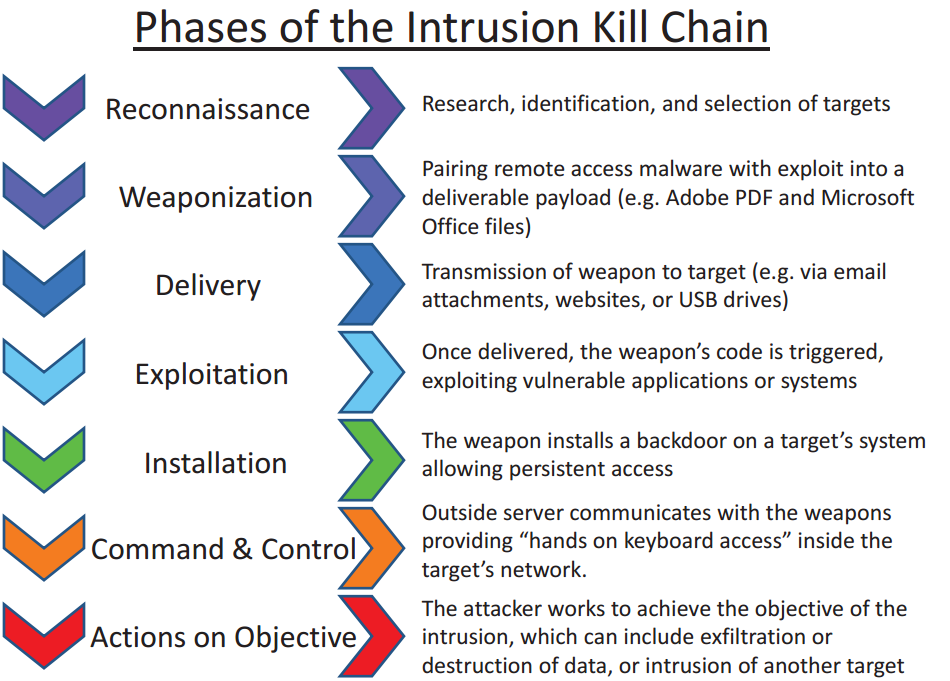
Threats come in many forms, from phishing emails that trick you into revealing passwords to ransomware that locks up your files until you pay a fee. Attackers can target individuals to steal their identity, or they can target large organizations to disrupt critical infrastructure like power grids and hospitals. This evolving landscape requires a proactive and vigilant approach to security for both people and the organizations they rely on.
Ready to check your understanding? This quiz will cover the fundamental concepts we've just discussed.
Which principle of the CIA triad ensures that information is not disclosed to unauthorized individuals?
A bank discovers that a hacker has subtly changed a few account balances in their system. This is a direct attack on which cybersecurity principle?
Understanding these core ideas is the first step toward navigating the digital world more safely. By appreciating what cybersecurity is and why it matters, you're better prepared to protect your digital life.