Introduction to Cybersecurity
Introduction to Cybersecurity
What Is Cybersecurity?
Cybersecurity is the practice of protecting computers, networks, and data from digital attacks. Think of it like securing your home. You lock your doors and windows to keep intruders out. In the digital world, cybersecurity measures are the locks that protect your personal information, a company's secrets, and even a country's critical infrastructure.
In our connected world, nearly everything relies on digital systems, from banking and healthcare to communication and transportation. A breach in these systems can have serious consequences. Cybersecurity isn't just about preventing hackers from stealing credit card numbers; it's about ensuring the digital world we depend on remains safe and reliable for everyone.

The Three Pillars of Security
To understand how to protect information, security professionals focus on three core principles. Together, they form what's known as the CIA triad: Confidentiality, Integrity, and Availability. These three pillars provide a framework for thinking about information security.
Confidentiality, integrity, and availability—the CIA triad—are the three pillars of information security.
Confidentiality is about keeping secrets. It ensures that data is accessible only to authorized users. Encryption is a common tool for maintaining confidentiality. When you send a private message that only the recipient can read, you are benefiting from confidentiality.
Integrity means ensuring that information is trustworthy and has not been modified by unauthorized parties. It's about maintaining the accuracy and consistency of data. For example, the balance in your bank account should not change unless you make a deposit or withdrawal. That’s data integrity.
Availability ensures that systems and data are accessible to authorized users when they need them. If a website crashes during a major sale or you can't access your cloud files, that's a failure of availability.
The Modern Threat Landscape
The digital world is constantly under attack from a wide range of threats. These attacks are not random; they are often sophisticated operations designed to achieve specific goals, like financial gain, espionage, or disruption. Understanding the types of threats is the first step toward building a defense.
Some of the most common threats include:
- Malware: Malicious software like viruses, worms, and ransomware designed to disrupt operations or gain unauthorized access to systems.
- Phishing: Deceptive emails or messages that trick people into revealing sensitive information, such as passwords or financial details.
- Denial-of-Service (DoS) Attacks: Flooding a network or server with traffic to overwhelm it and make it unavailable to legitimate users.
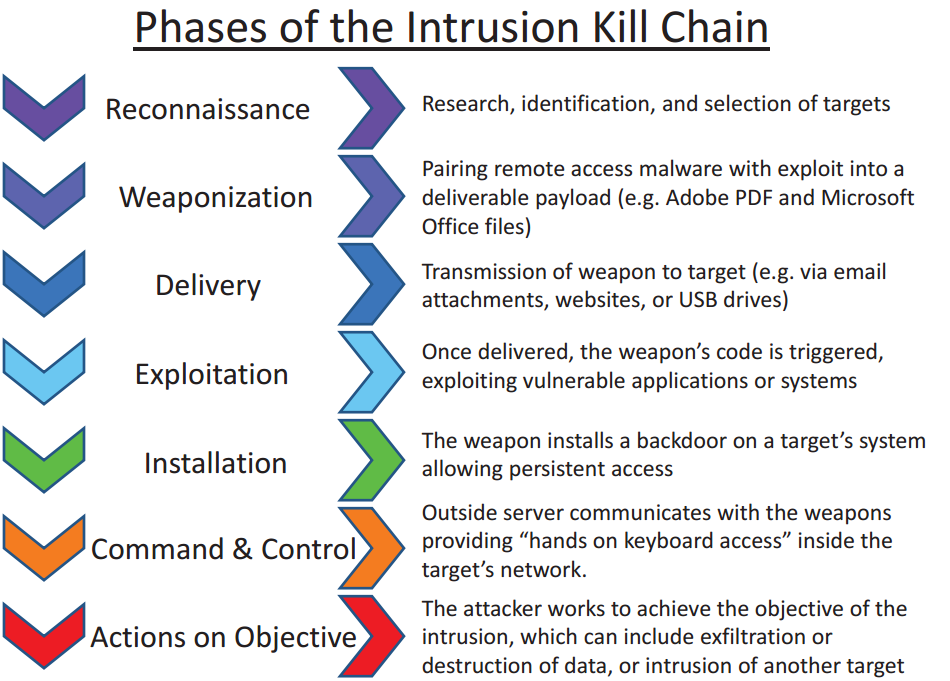
While technology provides powerful tools to fight these threats, it's not a complete solution. People play a crucial role. Many security breaches happen not because of a technical failure, but because of a human one, like clicking on a malicious link or using a weak password.
Humans are often the weakest link in cybersecurity.
Protecting digital assets requires a layered approach. It involves using the right technology, establishing clear processes, and educating people to be vigilant. Cybersecurity is an ongoing effort to stay one step ahead of those who wish to do harm.
Cybersecurity is often compared to securing a home. In this analogy, what do measures like locking doors and windows represent?
A bank discovers that a hacker has subtly changed a few account balances without being detected. Which core principle of the CIA triad has been violated?
Building a strong defense starts with understanding these foundational concepts.