Introduction to Cybersecurity
Introduction to Cybersecurity
What Is Cybersecurity?
Cybersecurity is the practice of protecting computers, networks, and data from digital attacks, damage, or unauthorized access. Think of it like securing your home. You lock your doors and windows to keep intruders out. In the digital world, cybersecurity measures are the locks that protect your personal information, from bank account details to private messages.
In our connected world, this protection is more important than ever. We rely on digital systems for nearly everything: communicating with friends, managing our finances, and even controlling appliances in our homes. All of this activity creates a vast amount of data that is valuable to attackers.
The goal of cybersecurity is to keep our digital lives safe and private, just as we expect our physical lives to be.
The Cybersecurity Landscape
The digital world is constantly evolving. The number of connected devices grows every day, creating more entry points for potential attacks. This interconnected environment is often called the cybersecurity landscape.
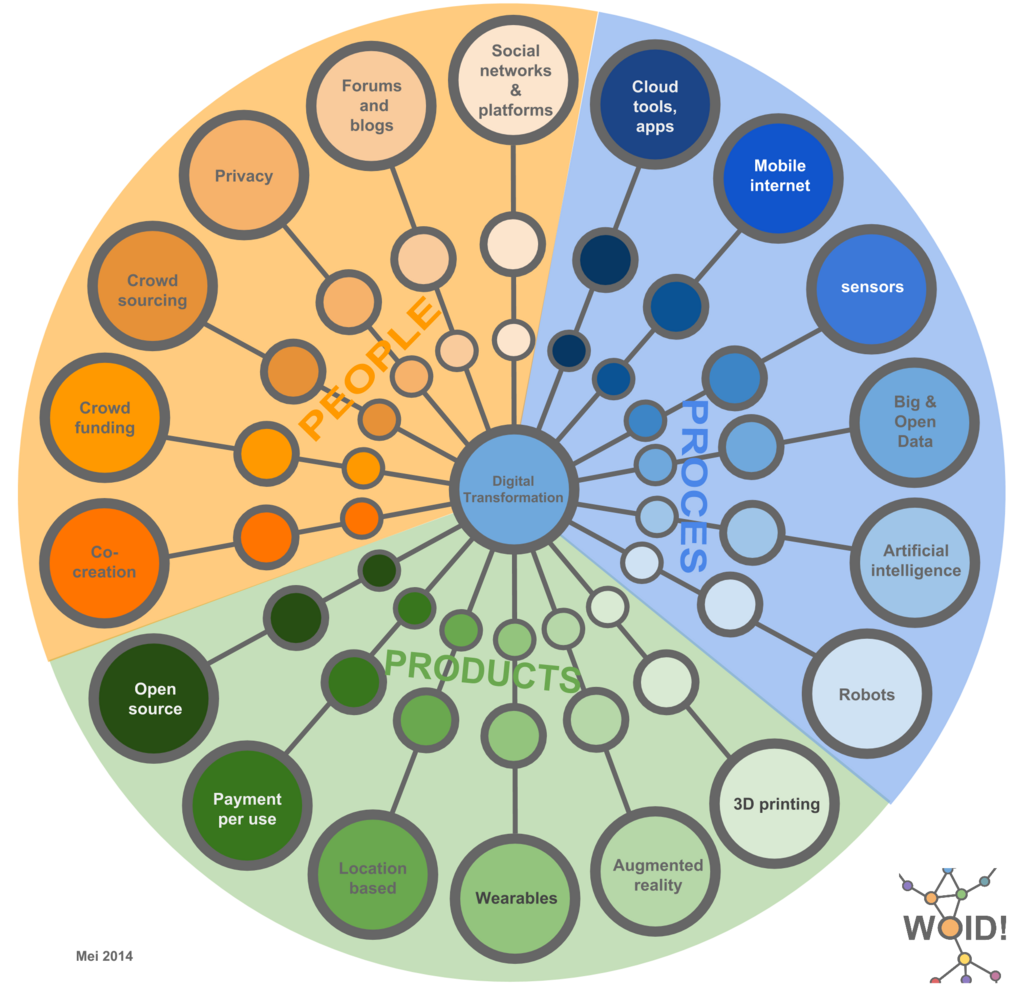
Understanding this landscape means recognizing that threats can come from anywhere. A threat isn't just a shadowy hacker in a dark room. It could be a simple software bug or an employee who accidentally clicks on a malicious link. The field of cybersecurity works to defend against all these possibilities.
The Three Pillars of Security
To protect information effectively, cybersecurity professionals focus on three core principles. Together, they form what is known as the CIA Triad.
Confidentiality is about keeping data secret. It's the principle of ensuring that information is only accessible to authorized individuals. Think of it as a sealed envelope. Only the intended recipient should be able to open it and read the letter inside. Encryption is a common tool used to ensure confidentiality.
Integrity means ensuring that data is accurate and trustworthy. It hasn't been altered or tampered with, either accidentally or maliciously. For example, the balance in your bank account should not change unless you make a transaction. The integrity of that number is crucial.
Availability ensures that systems and data are accessible to authorized users when they need them. If a website goes down or you can't access your files, availability has been compromised. A common attack against availability is a denial-of-service (DoS) attack, which floods a system with traffic to make it crash.
These are the core principles of cybersecurity, ensuring that information is kept secret, accurate, and accessible only to authorized users.
Basic Terminology
To talk about cybersecurity, it helps to know a few key terms. These concepts build on each other to describe the challenges of staying secure.
Threat
noun
A potential event or attacker that could harm a computer system or organization.
A threat could be a person, like a hacker, or an event, like a power outage.
Vulnerability
noun
A weakness or flaw in a system that can be exploited by a threat.
Think of a vulnerability as an unlocked door. It doesn't cause a problem on its own, but it provides an opening for a threat.
Risk
noun
The potential for loss or damage when a threat exploits a vulnerability.
Risk is the intersection of a threat and a vulnerability. For example, the threat of a thief combined with the vulnerability of an unlocked door creates the risk of a burglary. Cybersecurity is largely the work of managing and reducing these risks.
Ready to check your understanding of these core concepts?
What is the primary goal of cybersecurity?
An attacker secretly modifies a company's financial records to show a lower profit. Which core principle of the CIA Triad has been violated?
Understanding these foundational ideas is the first step in learning how to protect yourself and your information in the digital world. They are the building blocks for all other cybersecurity practices.