Introduction to Cybersecurity
Introduction to Cybersecurity
What Is Cybersecurity?
Cybersecurity is the practice of protecting computers, networks, and data from digital attacks, damage, or unauthorized access. Think about how much of your life is online: your bank account, your photos, your private messages. All of that digital information needs to be kept safe.
In short, cybersecurity is digital self-defense. It's about keeping your information out of the wrong hands.
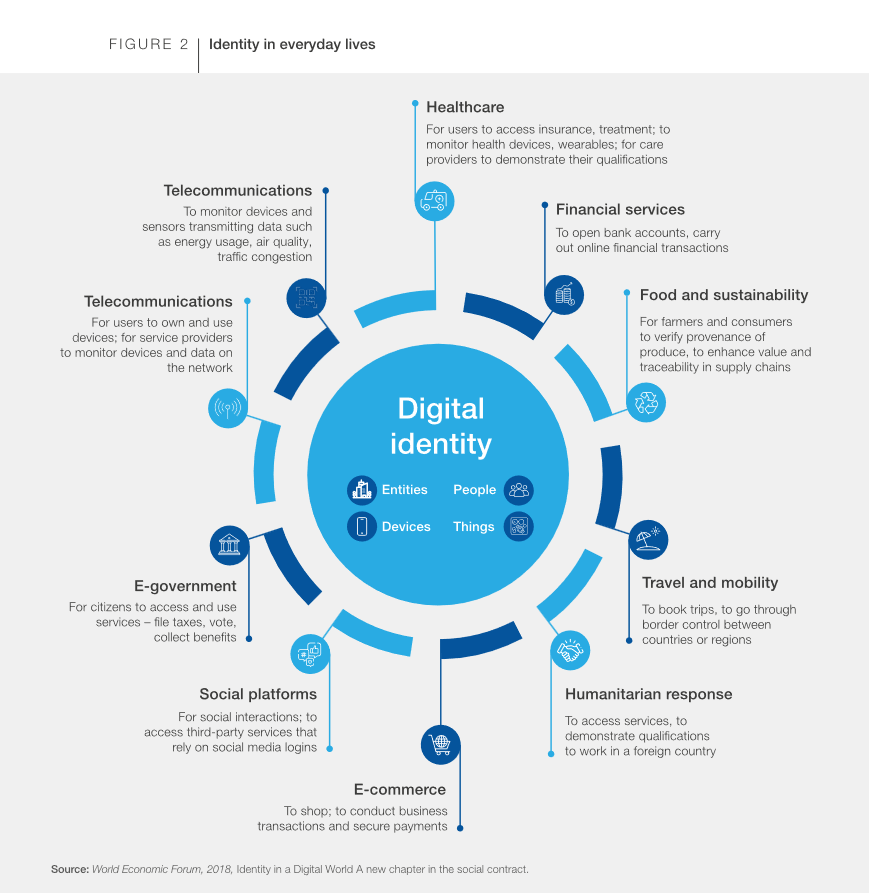
Every time you log into an app, make an online purchase, or send an email, you're interacting with systems that rely on cybersecurity. Without it, your personal information, financial data, and even your identity could be at risk. This protection is crucial not just for individuals, but for businesses and governments as well.
The Digital Threat Landscape
The internet connects us in amazing ways, but it also creates opportunities for malicious actors. These individuals or groups try to exploit vulnerabilities for personal gain, disruption, or other motives. The environment they operate in is often called the digital threat landscape.
You've likely heard of some of these threats. A virus can infect your computer and corrupt your files. Phishing scams try to trick you into giving away passwords or credit card numbers. A data breach is when sensitive information from a company is stolen and leaked. These are just a few examples of the many ways attackers can cause harm.
Cybersecurity is the practice of protecting systems, networks, and data from cyber threats, unauthorized access, and attacks.
This landscape is constantly changing. As technology evolves, so do the methods attackers use. That’s why cybersecurity isn't a one-time fix; it's an ongoing process of adapting to new challenges.
The Core Principles
To build effective defenses, cybersecurity professionals rely on a few core principles. The most fundamental of these is the CIA Triad, which stands for Confidentiality, Integrity, and Availability. Every security measure is designed to uphold at least one of these three pillars.
Let's break down each component.
Confidentiality
noun
Ensuring that information is not disclosed to unauthorized individuals or systems. It's about keeping secrets secret.
Think of it like a sealed letter. Only the intended recipient should be able to open it and read the contents. In the digital world, this means preventing snoops from reading your private emails or accessing your files.
Integrity
noun
Maintaining the consistency, accuracy, and trustworthiness of data. Data cannot be modified in an unauthorized or undetected manner.
This principle ensures that the information you're seeing is genuine and hasn't been tampered with. Imagine someone intercepted a bank transfer and changed the destination account number. That would be a failure of integrity.
Availability
noun
Ensuring that information and services are accessible to authorized users when they need them.
This means the systems and data you rely on are up and running. If a website crashes because it's overwhelmed by malicious traffic, its availability has been compromised. You can't access the service you need.
Confidentiality keeps data private. Integrity keeps data accurate. Availability keeps data accessible.
Understanding these core ideas is the first step toward thinking like a cybersecurity professional. Let's see what you've learned.
What is the primary goal of cybersecurity?
An attacker intercepts a bank transfer message and secretly changes the destination account number before it reaches the bank. Which core cybersecurity principle has been violated?
These foundational concepts are the building blocks for everything else in cybersecurity. By keeping them in mind, you'll be better equipped to understand the specific threats and defenses we'll explore next.