Introduction to Cryptography
Introduction to Cryptography
The Art of Secret Messages
Cryptography is the science of secure communication. The word comes from the Greek words kryptos (hidden) and graphein (to write). Its main goal is to protect information by making it unreadable to anyone except the intended recipient.
The idea of cryptography is basically to transmit a message from one side to the other so that only the sender and the receiver of the message know its content.
Think of it as writing a message in a secret code. If someone intercepts your note, they'll just see a jumble of nonsense. But the person you sent it to, who knows the secret to unlocking it, can read it perfectly. In the digital world, this process protects everything from your bank details to your private messages.
Core Concepts
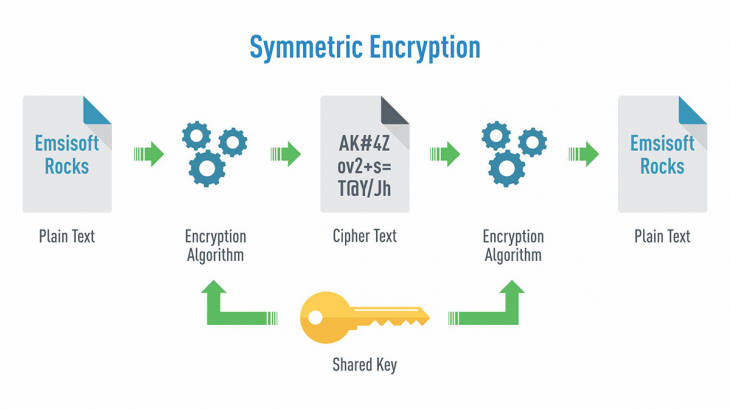
To understand cryptography, you need to know a few key terms. The original, readable message is called plaintext.
plaintext
noun
Information or data in its original, unencrypted form.
When you apply a secret code to this message, you get ciphertext.
ciphertext
noun
Data that has been encrypted and is unreadable without the proper key.
The process of converting plaintext into ciphertext is called encryption. The reverse process, turning ciphertext back into readable plaintext, is called decryption. This whole system relies on two other important elements: an algorithm and a key.
An algorithm is the set of rules or steps used for encryption and decryption. A key is a piece of information, like a password, that the algorithm uses to transform the data.
A simple way to think about it is that the algorithm is the method for scrambling and unscrambling letters, and the key tells you exactly how to scramble them. For example, the algorithm might be "shift every letter forward in the alphabet," and the key might be "3." To encrypt the word "CAT," you would shift each letter forward by three places, resulting in the ciphertext "FDW."
Cryptography in Daily Life
Cryptography isn't just for spies. It's a fundamental part of our modern digital infrastructure, working silently in the background to keep us safe.
When you see a padlock icon in your browser's address bar while shopping online, that's cryptography at work. It secures the connection between you and the website, protecting your credit card information from eavesdroppers.
In finance, it secures ATM transactions and online banking. In healthcare, it protects sensitive patient records. Governments use it to safeguard classified information and national security communications.
Essentially, any time you need to ensure confidentiality, verify someone's identity, or confirm that data hasn't been tampered with, cryptography is the tool for the job.
Let's check your understanding of these foundational concepts.
What is the primary goal of cryptography?
The process of converting ciphertext back into readable plaintext is called ____________.
Understanding these basic building blocks is the first step into the fascinating and critical world of cryptography.