Introduction to Cryptocurrency Trading
Introduction to Cryptocurrencies
What Is Cryptocurrency?
At its heart, a cryptocurrency is digital money. Unlike the dollars or euros in your bank account, it doesn't exist in a physical form like coins or bills. It's purely digital, a string of data secured by cryptography.
cryptocurrency
noun
A digital or virtual currency that is secured by cryptography, which makes it nearly impossible to counterfeit or double-spend.
The “crypto” part is crucial. Cryptography is the science of encoding and decoding information, making it unreadable to anyone without the key. In cryptocurrencies, this technology is used to verify transactions and keep the network secure. Think of it as an incredibly tough, digital version of a lock and key system for your money.
Most cryptocurrencies operate on a decentralized network. This means no single company, bank, or government controls them. Instead, they are managed by a distributed network of computers all around the world.
The key feature of most cryptocurrencies is decentralization. Power is distributed among all the users, not concentrated in one place.
The Story of Digital Money
The idea of digital cash isn't new. For decades, computer scientists tried to create it, but they always hit the same wall: the double-spending problem. How do you stop someone from spending the same digital dollar twice? With physical cash, this is easy—once you give a bill to someone, you no longer have it. But digital information can be copied perfectly.
Early projects in the 1990s, like DigiCash, tried to solve this using central servers to verify transactions, but they never gained widespread traction.
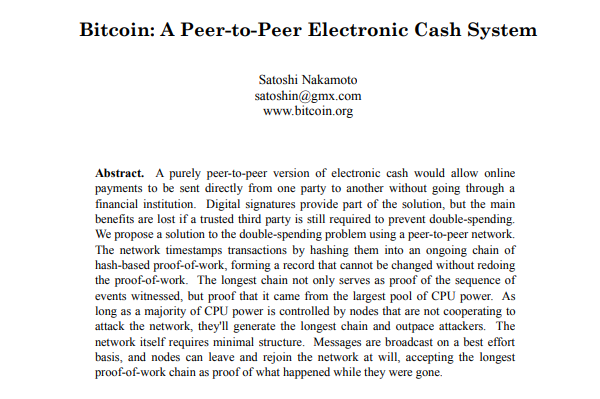
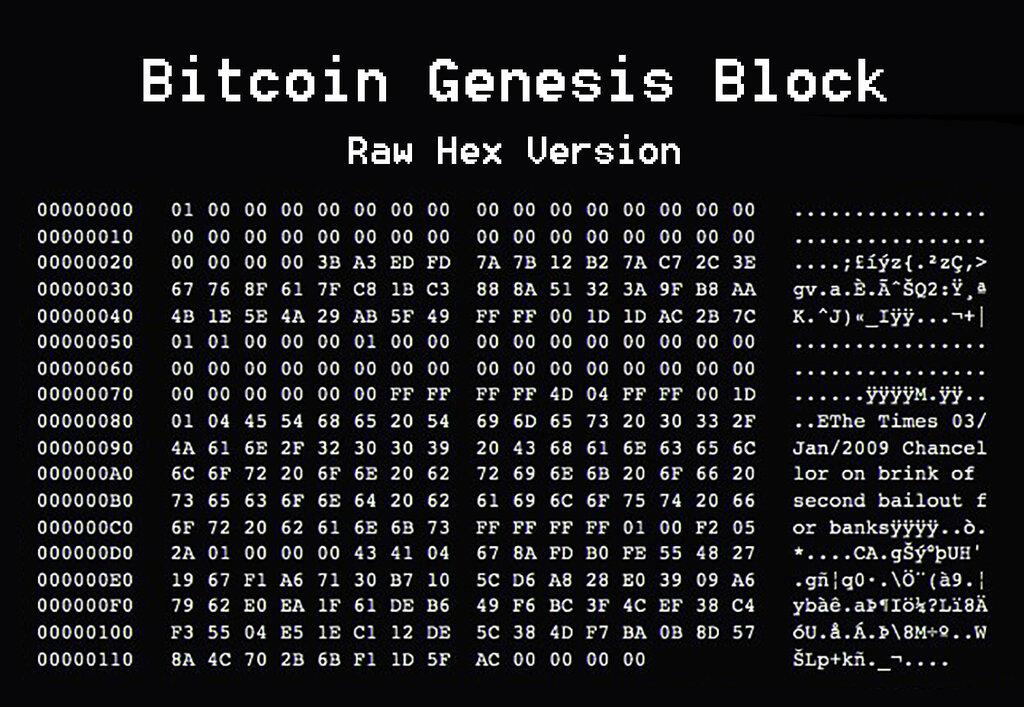
Then, in 2008, a person or group using the pseudonym Satoshi Nakamoto published a paper called “Bitcoin: A Peer-to-Peer Electronic Cash System.” It proposed a radical new solution to the double-spending problem without needing a central authority. On January 3, 2009, the Bitcoin network came into existence with the mining of the first block, known as the Genesis Block.
Bitcoin's success kicked off a wave of innovation. In 2015, Ethereum was launched, introducing the idea of "smart contracts." These are self-executing contracts with the terms of the agreement directly written into code. This opened the door for applications beyond simple currency, like decentralized finance (DeFi) and non-fungible tokens (NFTs). Since then, thousands of different cryptocurrencies, often called altcoins, have been created.
How It All Works: Blockchain
Blockchain is the foundational technology on which most cryptocurrencies are built.
The technology that makes decentralized cryptocurrency possible is called the blockchain. Imagine a public notebook that is shared among many people. Every time a transaction happens, a new line is added to the notebook. Everyone gets a copy of this notebook, and all copies are updated at the same time.
To make a fraudulent change, you'd have to edit your copy and convince a majority of others to edit their copies in the exact same way, all at once. This is practically impossible, which is what makes the blockchain so secure.
In this system, transactions are grouped into "blocks." Each block is cryptographically linked to the one before it, forming a "chain." This structure makes the record of transactions permanent and unchangeable. Once a block is added to the chain, it cannot be altered without altering all subsequent blocks, which requires the consensus of the network majority.
| Term | Analogy | Why it's important |
|---|---|---|
| Transaction | A single entry in a ledger | The basic unit of activity on the network. |
| Block | A page in the ledger | Groups transactions together for confirmation. |
| Chain | The binding of the ledger | Links blocks securely, making the history immutable. |
| Decentralization | Everyone has a copy of the ledger | Ensures no single entity has control and builds trust. |
This combination of cryptography and decentralization is what gives cryptocurrencies their core properties of security, transparency, and resistance to censorship. It's a new way of building trust between people online without needing to rely on a traditional intermediary like a bank.
Let's test your understanding of these foundational concepts.
What is the primary function of cryptography in cryptocurrencies?
The core innovation that allowed Bitcoin to solve the "double-spending problem" without a central authority is known as the blockchain.
Now, let's review the key terms we've covered.
Understanding these basic ideas—what cryptocurrency is, its history, and the blockchain technology that powers it—is the first step into this new digital world.