Introduction to Cryptocurrency
Introduction to Cryptocurrency
What Is Cryptocurrency?
At its heart, a cryptocurrency is digital money. Unlike the pounds, dollars, or euros in your bank account, it's not issued or controlled by any central authority like a government or a bank. It exists purely in the digital world, secured by cryptography.
Cryptocurrency
noun
A digital or virtual currency that uses cryptography for security, making it difficult to counterfeit. Many cryptocurrencies are decentralised systems based on blockchain technology.
The main purpose of cryptocurrencies is to allow people to send and receive payments directly with each other online, without needing a trusted third party like a bank. This peer-to-peer system aims to create a more open, global, and efficient financial network. Imagine sending money across the world as easily as sending an email, with minimal fees and without waiting days for it to clear.

The Road to Bitcoin
The idea of digital cash isn't new. Computer scientists were experimenting with it as far back as the 1980s. Early projects like DigiCash aimed to make online payments private and secure, but they had a crucial weakness: they were centralised. They relied on a single company to operate and verify transactions. If the company went down, so did the currency.
These early attempts paved the way for a breakthrough. The challenge was to create a system that could work without anyone in charge, one that could prevent someone from spending the same digital money twice. This is known as the "double-spending problem".
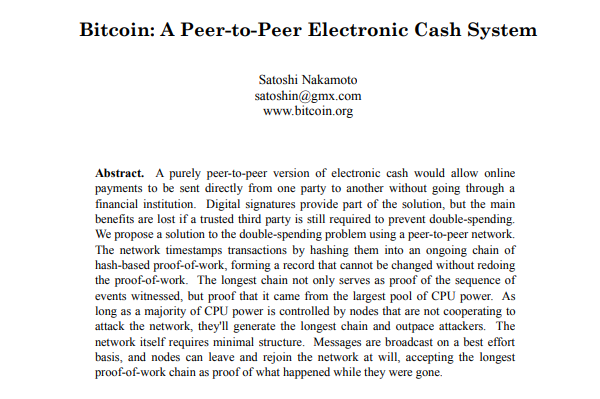
In 2008, a person or group using the name Satoshi Nakamoto published a paper titled "Bitcoin: A Peer-to-Peer Electronic Cash System." In early 2009, they released the software that brought it to life. Bitcoin was the first decentralised cryptocurrency, and it solved the double-spending problem without needing a bank or central server. It marked the beginning of a new era for digital finance.
How It All Works
Two key principles make cryptocurrencies like Bitcoin possible: decentralisation and cryptographic security.
Decentralisation means there is no single point of control. Instead of a bank's central ledger, the transaction history is distributed across a global network of computers. Every participant has a copy of the ledger. This makes the system incredibly resilient and transparent. No single entity can alter the records or shut down the network.
Cryptographic security is where the "crypto" part comes from. It involves using advanced mathematics to protect information. In cryptocurrencies, cryptography is used to secure transactions, verify the transfer of assets, and control the creation of new coins. It ensures that only the owner of the digital money can spend it, much like a complex, unbreakable password protects your email.
What is the primary feature that distinguishes cryptocurrencies from traditional digital money in a bank account?
What major problem did Bitcoin solve that was a critical weakness in earlier digital cash systems?
This combination of decentralisation and strong security is what makes cryptocurrency a unique and powerful technology, offering a new way to think about money.