Introduction to Cryptocurrency
Introduction to Cryptocurrency
What Is Cryptocurrency?
Cryptocurrency is a type of digital money. Unlike the dollars or euros in your bank account, it doesn't exist in a physical form. It's purely virtual, secured by a method called cryptography, which makes it nearly impossible to counterfeit.
cryptocurrency
noun
A digital or virtual currency that uses cryptography for security and operates independently of a central bank.
The key feature of most cryptocurrencies is that they are decentralized. No single government, bank, or company controls them. Instead, they run on a network of computers spread across the globe. This network is built on a technology called a blockchain, which is essentially a public ledger that records all transactions.
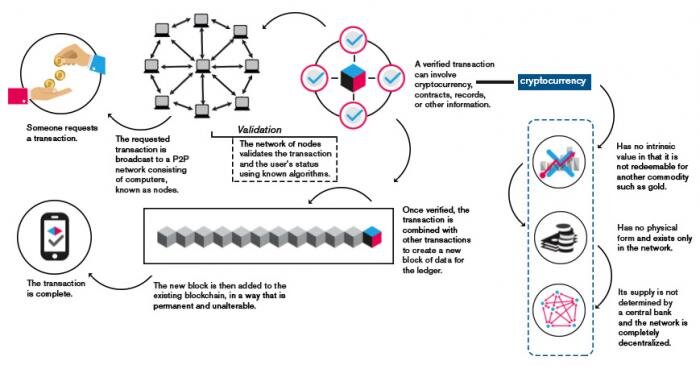
Crypto vs. Traditional Money
So how does this digital cash differ from the money we use every day, often called fiat currency? The main differences come down to control, form, and how they are created.

Fiat currency is issued and controlled by a central authority, like the Federal Reserve in the United States. This authority can print more money and set interest rates. Cryptocurrencies, on the other hand, are typically created through a process called "mining" and their supply is often limited by a mathematical formula.
| Feature | Fiat Currency (e.g., USD) | Cryptocurrency (e.g., Bitcoin) |
|---|---|---|
| Control | Centralized (government & banks) | Decentralized (peer-to-peer network) |
| Form | Physical (coins, bills) & Digital | Purely Digital |
| Issuance | Issued by central authority | Created by protocol (e.g., mining) |
| Transparency | Private transactions | Public, but pseudonymous transactions |
A Quick History
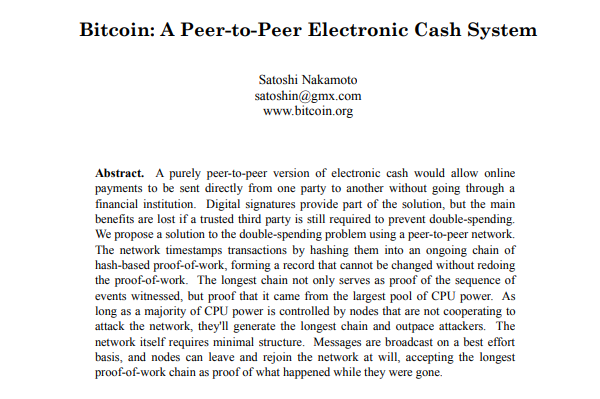
The idea of digital cash has been around for decades, but it became a reality in 2009. A person or group using the pseudonym Satoshi Nakamoto released a paper outlining a system for "peer-to-peer electronic cash."
This system was called Bitcoin. It solved a major problem for digital currencies: the ability to prevent someone from spending the same digital coin twice without a central authority like a bank to verify it.
Bitcoin was the first cryptocurrency, and it remains the most well-known. For years, it was the only major player. But eventually, other developers created their own digital currencies, each with slightly different features or goals. These are often called "altcoins," short for alternative coins.
Today, there are thousands of different altcoins. Some of the most popular include Ethereum, which allows for the creation of self-executing contracts, and Ripple (XRP), which focuses on international payments.

What's It For?
The original purpose of Bitcoin was to act as a form of digital cash you could send directly to anyone in the world without needing a bank or payment processor. This remains a primary use case.
Over time, other uses have emerged. Some people view certain cryptocurrencies, like Bitcoin, as a "store of value," similar to digital gold. They buy and hold it with the expectation that its value will be preserved or increase over the long term.
Many also use cryptocurrencies as a speculative investment, buying and selling them in hopes of making a profit from price changes. This is a high-risk activity due to the market's volatility. Finally, some cryptocurrencies, like Ethereum, are designed to be more than just money. They act as platforms for building decentralized applications, from financial tools to games.
Before we finish, let's review the key terms we've covered.
Now, let's test your understanding of these fundamental concepts.
What is the core technology that underpins most cryptocurrencies, acting as a public ledger for all transactions?
Which of the following is a primary difference between cryptocurrency and traditional fiat currency?
This covers the basics of what cryptocurrency is, how it started, and why it exists. It's a new form of money, built for a digital world.