Introduction to Cryptocurrency
Introduction to Cryptocurrency
What Is Cryptocurrency?
Cryptocurrency is a type of digital money. Unlike the dollars in your bank account, which are recorded by a bank, cryptocurrencies are secured using cryptography. Think of it like a secret code that protects your information and makes sure no one can spend your money but you.
Cryptocurrency is a digital or virtual form of money that relies on cryptographic technology to secure transactions, control the creation of new units, and verify transfers.
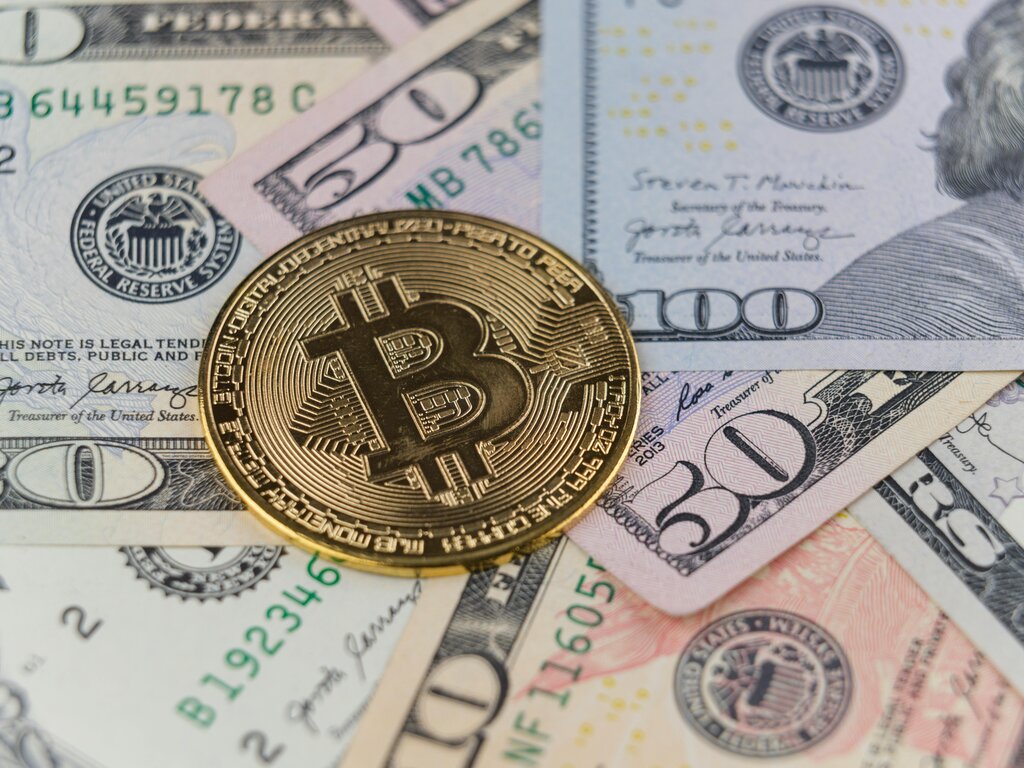
This code makes it nearly impossible to counterfeit or spend the same digital coin twice. It exists purely in digital form; there are no physical crypto coins or bills. While you might see pictures of shiny metal "bitcoins," those are just collectibles. The real value is in the digital code stored on a global computer network.
The Evolution of Money
To understand why cryptocurrency is a big deal, it helps to look at how money has changed over time. For thousands of years, people bartered, trading goods directly. If you had chickens and needed bread, you had to find a baker who wanted chickens. It wasn't very efficient.
Eventually, we started using valuable items like shells, salt, or precious metals as a medium of exchange. This led to coins, which were easier to carry and had a standardized value. Then came paper money, which was a promise from a government or bank that you could exchange it for a certain amount of gold or silver.
Today, most of our money is already digital. When you use a credit card or a banking app, you're moving numbers around in a bank's ledger. Cryptocurrency is the next step in this evolution: money that is not only digital but also independent of any central authority.
Crypto vs. Traditional Money
The money we use every day, like the U.S. dollar or the Euro, is called fiat currency. It’s issued and controlled by a central government. Cryptocurrencies work very differently.
| Feature | Fiat Currency (e.g., USD) | Cryptocurrency |
|---|---|---|
| Issuer | Central bank / Government | No central authority |
| Form | Physical (cash) and digital | Entirely digital |
| Control | Centralized | Decentralized |
| Transaction Verification | Banks and payment processors | A network of computers |
| Supply | Can be printed at will | Often limited by code |
The key difference is control. A government can print more money, which can lead to inflation and devalue your savings. They can also freeze accounts or block transactions. With cryptocurrency, the rules are set in code and managed by a distributed network of computers, not by a single entity.
The Core Principles
Cryptocurrencies are built on a few groundbreaking ideas that make them unique.
Decentralization: There's no central server, company, or government in charge. The network is maintained by users all over the world. This means no single point of failure and no single entity that can shut it down or manipulate the rules for their own benefit.
Think of it like a shared Google Doc that everyone can see but no single person can control. All changes are tracked and agreed upon by the group.
Transparency: While users' identities are typically pseudonymous (not directly tied to real names), all transactions are recorded on a public ledger. Anyone can view this ledger to verify transactions, which creates a high level of transparency.
It’s like a bank statement that is open for public viewing, but where the account holders are identified by a code, not their names.
Immutability: Once a transaction is confirmed and added to the public ledger, it's permanent. It cannot be altered or deleted. This makes the system very secure and prevents fraud, as no one can go back and change the record of a transaction.
These principles combine to create a system for exchanging value that is open, borderless, and resistant to censorship or control. It's a new way of thinking about what money is and how it can work.
Ready to check your understanding?
What is the primary technology used to secure cryptocurrency transactions, making them difficult to counterfeit?
How does cryptocurrency differ fundamentally from traditional fiat currencies like the U.S. Dollar?
This introduction covers the basic identity of cryptocurrency. Next, we'll look at the technology that makes it all possible.