Introduction to Cryptocurrency
Introduction to Cryptocurrency
What Is Cryptocurrency?
Cryptocurrency is a type of digital money. Think of it like the dollars or euros you use, but it only exists electronically. There are no physical crypto coins or bills. What makes it special is its security, which comes from a field of study called cryptography.
Cryptography
noun
The use of codes and ciphers to protect information and communications so that only those for whom the information is intended can read and process it.
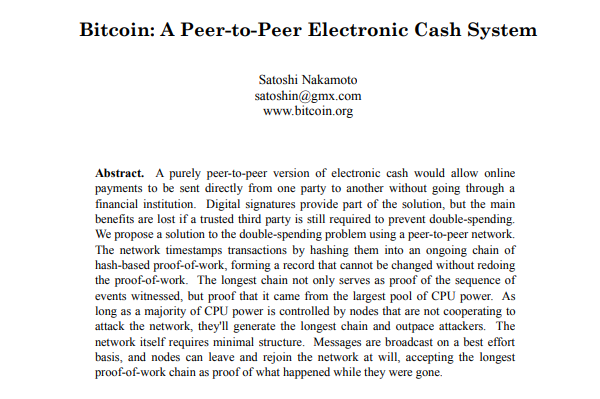
The first cryptocurrency, Bitcoin, appeared in 2009. It was created by a person or group using the name Satoshi Nakamoto. The timing wasn't a coincidence. Following the 2008 financial crisis, many people lost trust in traditional banks. Bitcoin was proposed as a new way to handle money, one that didn't rely on these institutions.
Key Characteristics
Cryptocurrencies have a few core features that set them apart from the money we use every day.
First is decentralization. Traditional currencies are controlled by a central authority, like a government's central bank. They can print more money or set interest rates. Cryptocurrencies are different. They operate on a distributed network of computers, meaning no single person, company, or government is in charge.
Second is transparency. Most cryptocurrency transactions are recorded on a public digital ledger. While the real-world identities of the people involved are usually hidden, the flow of funds is often visible to anyone who wants to look.
Finally, they are immutable. Once a transaction is confirmed and added to the ledger, it is incredibly difficult to change or remove. This permanence helps prevent fraud and creates a trustworthy record of transactions.
Crypto vs. Fiat
The money issued by governments, like the U.S. dollar or the Japanese yen, is called fiat currency. Unlike cryptocurrencies, their value comes from the trust people have in the government that issues them. Let's break down the key differences.
| Feature | Traditional Currency (Fiat) | Cryptocurrency |
|---|---|---|
| Control | Centralized (Government/Bank) | Decentralized (Distributed Network) |
| Form | Physical and Digital | Digital Only |
| Issuance | By a central authority | By a predefined algorithm |
| Transparency | Private transactions | Often a public, shared ledger |
| Security | Bank systems and regulations | Cryptography |
In short, fiat money relies on trusted institutions, while cryptocurrency relies on technology and mathematics.
Now let's check your understanding of these fundamental concepts.
What major global event is often cited as a key motivation for the creation of Bitcoin?
The fact that most cryptocurrency transactions are recorded on a public ledger that anyone can view is an example of which core feature?
These are the basic ideas behind cryptocurrency. It represents a fundamental shift in how we can think about and use money, putting the power of a financial network into the hands of its users rather than a central authority.