Introduction to Crochet
Crochet Tools and Materials
Your Crochet Toolkit
Before you can make your first stitch, you need the right tools. Crocheting doesn't require much, but choosing the right hook and yarn will make your experience much smoother. Think of them as your primary creative partners.
The crochet hook is the star of the show. Hooks come in various materials like aluminum, plastic, wood, and bamboo. Aluminum hooks are popular because they're smooth and affordable, allowing yarn to glide easily. Wood or bamboo hooks offer a warmer, more natural feel and can be great for slippery yarns.
The most important feature of a hook is its size, which refers to the diameter of its shaft. This size determines how large your stitches will be. In the United States, hooks are labeled with letters (like G or H), while most of the world uses metric sizes (in millimeters). The yarn label usually suggests a hook size to use.
Next up is yarn. Yarn comes in different thicknesses, known as weights, and is made from various fibers. The most common fibers are cotton, wool, and acrylic. Cotton is great for items like dishcloths because it's absorbent and durable. Wool is warm and elastic, perfect for sweaters and hats. Acrylic is a synthetic fiber that's affordable, widely available, and easy to care for, making it a fantastic choice for beginners.
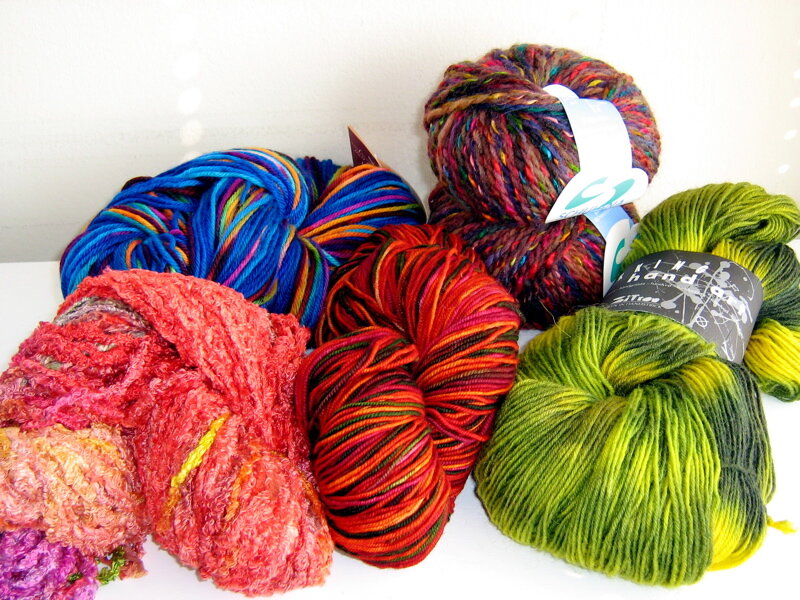
Yarn weight ranges from lace (thinnest) to jumbo (thickest). The Craft Yarn Council has a standard system from 0 to 7. A thinner yarn will create a delicate, drapey fabric, while a thicker yarn works up quickly into a chunky, warm item. Your project will tell you what weight to use.
| Category | Type | Recommended Hook Size |
|---|---|---|
| 0 - Lace | Fingering | 1.5 - 2.25 mm |
| 1 - Super Fine | Sock, Fingering | 2.25 - 3.5 mm |
| 2 - Fine | Sport, Baby | 3.5 - 4.5 mm |
| 3 - Light | DK, Light Worsted | 4.5 - 5.5 mm |
| 4 - Medium | Worsted, Aran | 5.5 - 6.5 mm |
| 5 - Bulky | Chunky, Craft | 6.5 - 9.0 mm |
| 6 - Super Bulky | Roving | 9.0 mm and up |
Essential Accessories
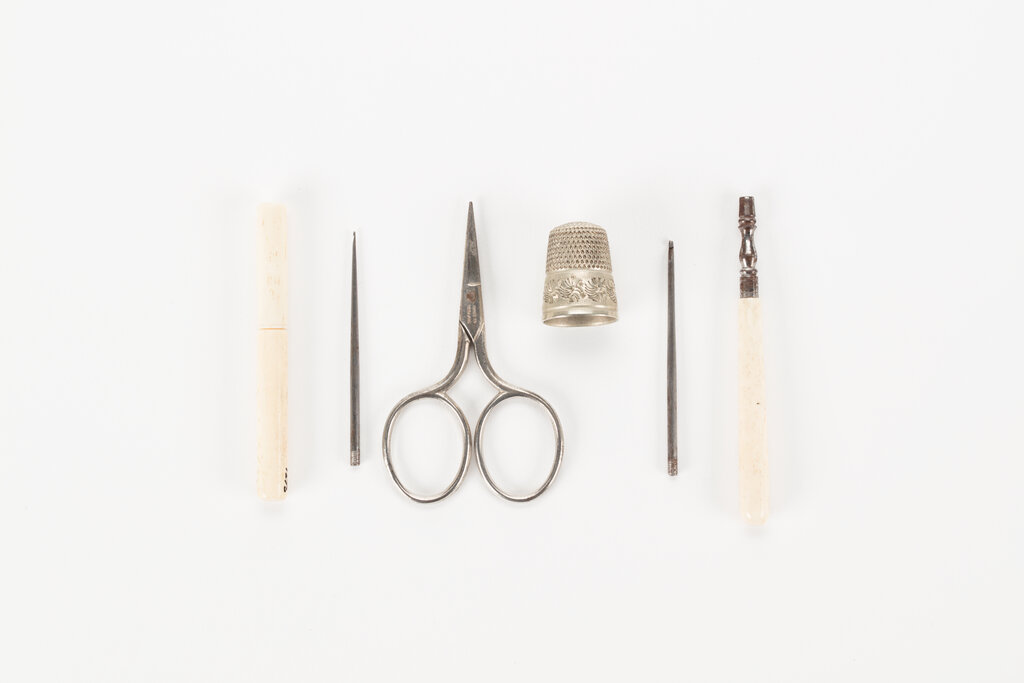
Besides your hook and yarn, you'll want a few other small tools on hand.
- Scissors: Any small, sharp pair will do for cutting yarn.
- Tapestry Needle: This is a large-eyed, blunt-tipped needle used for weaving in the yarn ends when your project is finished. This gives it a clean, polished look.
- Stitch Markers: These small clips or rings are lifesavers. You use them to mark your place, like the beginning of a round or a specific stitch you need to return to. They prevent you from losing your spot and making mistakes.
Getting a Grip
How you hold your hook and yarn is a matter of personal comfort. There are two common ways to hold a crochet hook. The pencil grip is just like it sounds, holding the hook as you would a pencil. The knife grip involves holding the hook from above, like you'd hold a knife to spread butter. Neither is right or wrong, so experiment to see which feels more natural and allows you to crochet for longer without your hand getting tired.
Equally important is yarn tension, or how tightly you hold the yarn as you work. The goal is to feed the yarn to your hook with a consistent, even pull. Most people do this by weaving the working yarn through the fingers of their non-dominant hand. If your tension is too tight, your hook will be hard to insert into stitches. If it's too loose, your stitches will be floppy and uneven.
Consistent tension is the secret to smooth, professional-looking fabric. It takes practice, but soon it will become second nature.
Finding the right tools and a comfortable way to work is the first step on your crochet journey. Now let's review these key concepts.
Ready to check your knowledge?
Which crochet hook material is often recommended for beginners because it is smooth, affordable, and allows yarn to glide easily?
What does the 'weight' of a yarn refer to?
With your tools selected and a basic understanding of how to hold them, you're prepared to start creating stitches.