Introduction to Crochet
Introduction to Crochet
The Art of a Single Hook
Crochet is a way of creating fabric from yarn using a single hook. Unlike knitting, which uses two needles, crochet involves looping yarn with a hooked needle to build stitches. This simple technique can produce everything from delicate lace to chunky blankets, cozy sweaters, and playful toys.
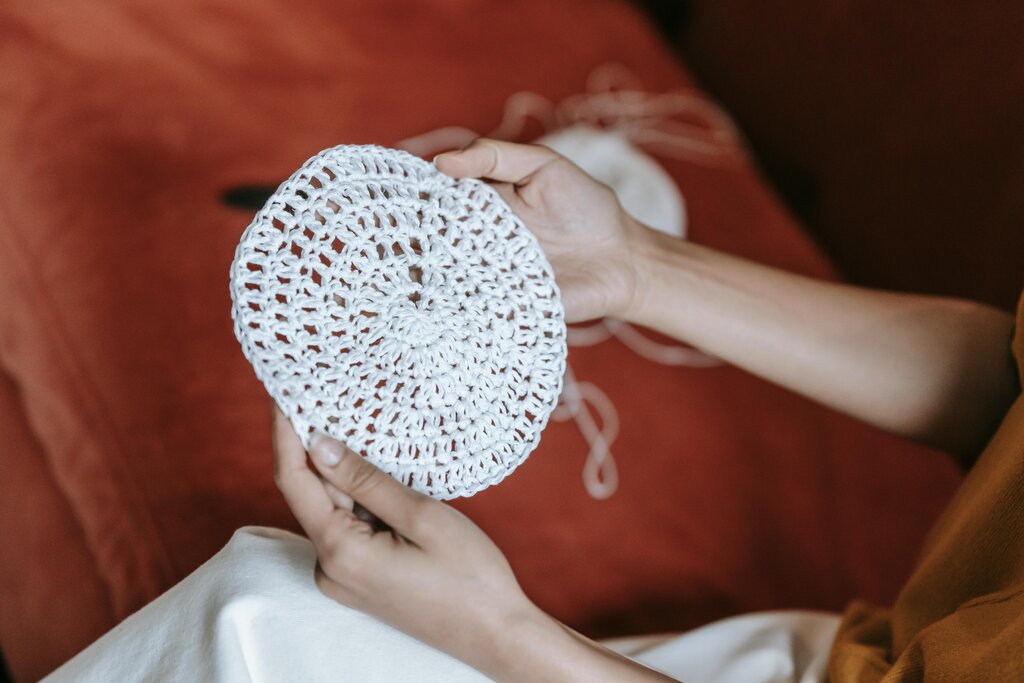
The exact origins of crochet are a bit of a mystery, but it became widely popular in Europe during the 19th century as an alternative to more expensive lace. Today, it’s a beloved craft worldwide, valued for both its practical applications and its artistic potential. It’s a wonderfully portable hobby—all you need is a hook and a ball of yarn to get started.
Your Crochet Toolkit
Getting started with crochet doesn't require a lot of equipment. Your three essential items are a crochet hook, some yarn, and a pair of scissors.
Crochet Hook
noun
A tool with a hook at one end used to draw yarn through loops to create stitches.
Hooks come in various sizes and materials, like aluminum, bamboo, plastic, and steel. The size of the hook determines the size of your stitches. Hook sizes are measured in millimeters, but they also have a corresponding letter or number system in the US and UK.
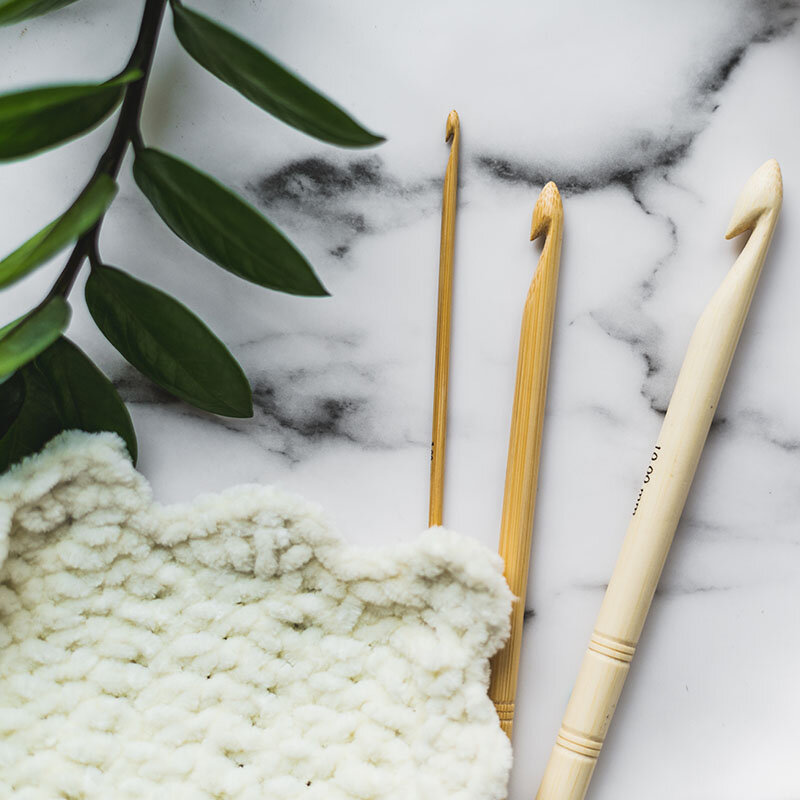
Next is yarn. Yarn is made from fibers that are spun together. These fibers can be natural, like wool, cotton, or silk, or synthetic, like acrylic and nylon. Each type of fiber gives the final fabric a different feel and look. For beginners, a smooth, light-colored acrylic or cotton yarn is often the easiest to work with.
Besides the basics, a few other accessories can be very helpful: a tapestry needle for weaving in the ends of your yarn, and stitch markers to help you keep track of your place in a pattern.
Decoding Yarn
Walking into a yarn store can be overwhelming. The key to making sense of it all is understanding yarn weight. Yarn weight refers to the thickness of the yarn strand. It has nothing to do with how heavy the ball of yarn is. Thinner yarns create delicate, lightweight fabrics, while thicker yarns produce bulky, warm ones.
Yarn labels almost always provide this information. They use a standard numbering system from 0 (thinnest) to 7 (thickest). The label will also recommend a hook size that works well with that specific yarn. This is just a suggestion, but it's a great starting point.
| Category | Weight # | Types of Yarn | Recommended Hook Size (US) | Recommended Hook Size (Metric) |
|---|---|---|---|---|
| Lace | 0 | Lace, Cobweb | Steel 6, 7, 8 / B-1 | 1.6–2.25 mm |
| Super Fine | 1 | Sock, Fingering | B-1 to E-4 | 2.25–3.5 mm |
| Fine | 2 | Sport, Baby | E-4 to 7 | 3.5–4.5 mm |
| Light | 3 | DK, Light Worsted | 7 to I-9 | 4.5–5.5 mm |
| Medium | 4 | Worsted, Aran | I-9 to K-10.5 | 5.5–6.5 mm |
| Bulky | 5 | Chunky, Craft | K-10.5 to M-13 | 6.5–9 mm |
| Super Bulky | 6 | Super Bulky, Roving | M-13 to Q | 9–15 mm |
| Jumbo | 7 | Jumbo, Roving | Q and larger | 15 mm and larger |
For your first project, it's best to stick with a Medium (4) weight yarn, often called worsted weight. It’s thick enough to see your stitches clearly but not so thick that it’s difficult to handle.
A smooth, light-colored, medium-weight yarn and a 5.5 mm (I-9) hook are a perfect combination for a beginner.
The fiber content also matters. Wool is warm and elastic, making it great for winter hats and scarves. Cotton is strong, absorbent, and breathable, perfect for dishcloths or summer tops. Acrylic is an affordable, durable, and widely available synthetic fiber that's excellent for practice and for projects that need to be machine washable.
Ready to test your knowledge? Let's see what you've learned.
What is the primary difference between crochet and knitting?
According to the provided text, which of these items is considered a helpful accessory, but not essential, for starting crochet?
With a basic understanding of hooks and yarn, you have the foundation you need to start your first crochet stitches.