Introduction to Criminal Justice
Introduction to Criminal Justice
What is Criminal Justice?
The criminal justice system is the network of government agencies and processes designed to control crime and impose penalties on those who violate laws. Think of it as society's formal response to crime. Its main goals are to maintain public order, prevent future offenses, and ensure that justice is served for both victims and offenders.
Essentially, the system works to investigate, prosecute, and punish criminal acts, all while protecting the rights of the accused.
This entire structure is built on a foundation of laws that define what constitutes a crime and the procedures for handling those who are accused. It’s a complex system with three main pillars, each with a distinct but interconnected role.
The Three Pillars
The criminal justice process flows through three core components: law enforcement, the courts, and corrections. Each one picks up where the last one left off, creating a sequence of events from the moment a crime is reported to the final outcome for the offender.
Law Enforcement
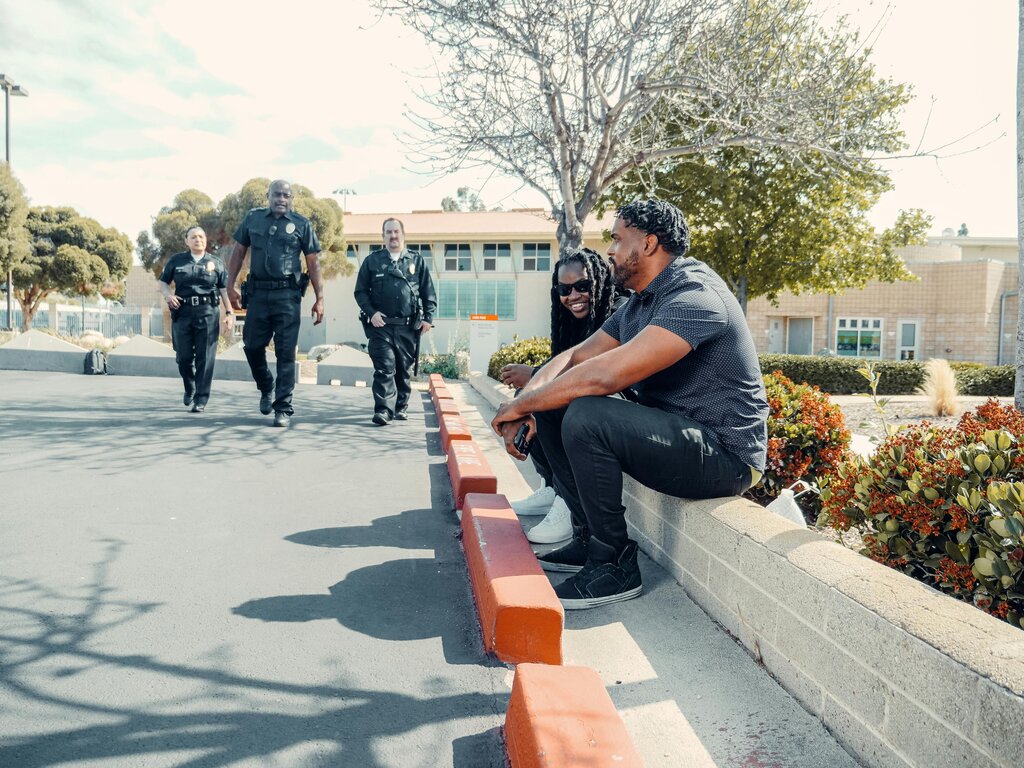
This is the frontline of the criminal justice system. When a crime occurs, law enforcement agencies are typically the first to respond. Their primary job is to investigate criminal activity and apprehend individuals suspected of committing crimes. They are responsible for gathering evidence and maintaining peace within their communities.
These agencies exist at various levels. You have local police departments that handle day-to-day crime in cities and towns, county sheriffs' offices that cover broader areas, state police or highway patrol, and federal agencies like the Federal Bureau of Investigation (FBI) that investigate crimes crossing state lines or those that violate federal law.
The Courts
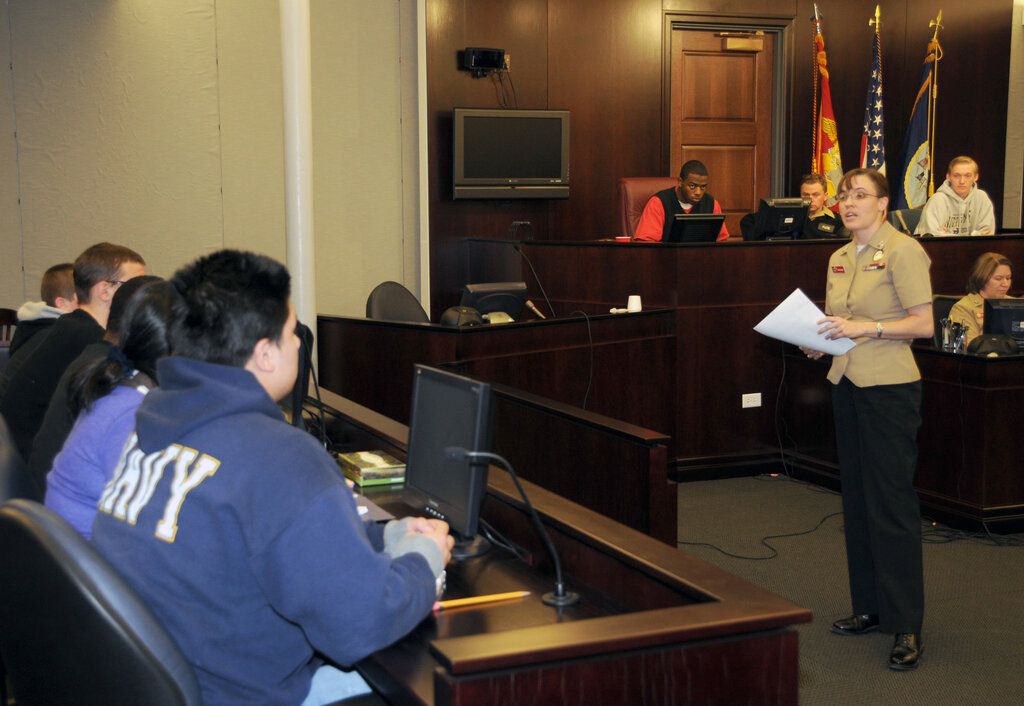
Once law enforcement makes an arrest, the case moves to the court system. The courts serve as the arena where the legal guilt or innocence of a person is determined. This process is adversarial, meaning two opposing sides—the prosecution and the defense—present their cases before a neutral party, which is either a judge or a jury.
The prosecution represents the government and aims to prove the defendant's guilt. The defense represents the accused person, arguing for their innocence or for a lesser charge. The judge ensures that legal procedures are followed correctly and, if there's no jury, decides the outcome of the case. If the defendant is found guilty, the court is also responsible for imposing a sentence.
Corrections
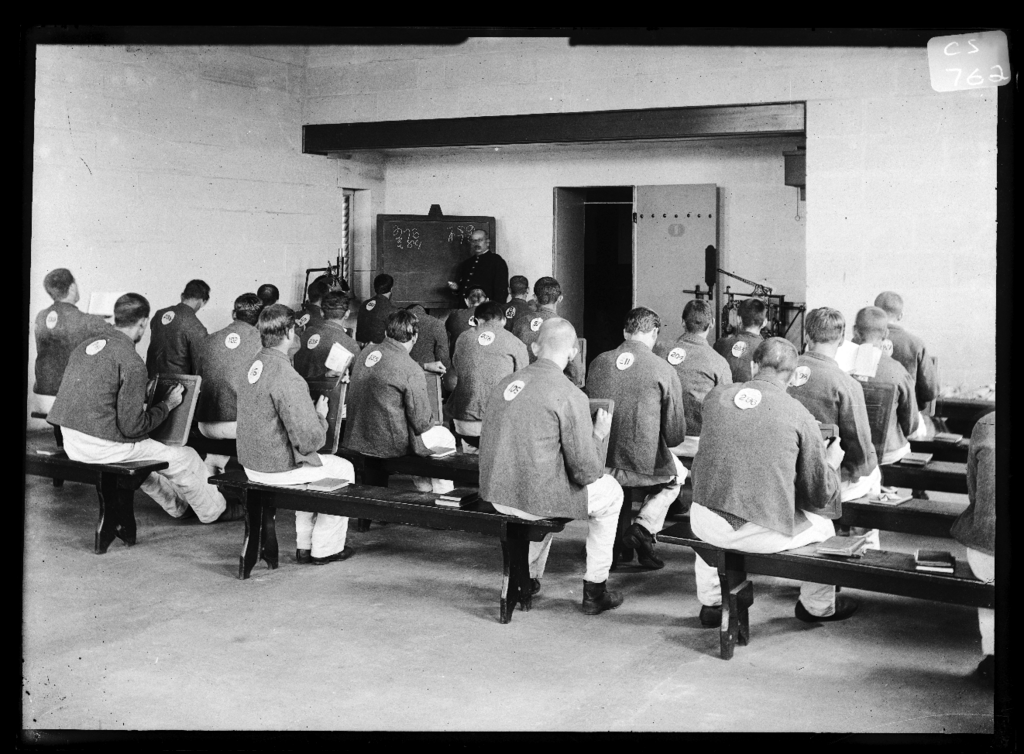
The final component is corrections. After an individual is sentenced by the court, the corrections system takes over to carry out the punishment. This doesn't always mean imprisonment. While prisons (for long-term sentences) and jails (for shorter terms and those awaiting trial) are the most well-known forms of correction, there are other methods.
Corrections also includes community supervision, such as probation, where an offender serves their sentence in the community under specific conditions and monitoring. Another form is parole, which is the conditional release of a prisoner before their full sentence is complete. The goals of corrections include punishment, rehabilitation, and preventing offenders from committing future crimes.
These three pillars—law enforcement, courts, and corrections—work together to form the backbone of the criminal justice system, guiding how society responds to criminal behavior from start to finish.