Introduction to Cricket
Introduction to Cricket
A Gentleman's Game
Cricket began in the sheep-grazing fields of southeast England, possibly as early as the 13th century. It started as a simple pastime for children, but by the 17th century, it had become an organized sport played by adults. The rules were formalized, and it quickly became England's national sport.
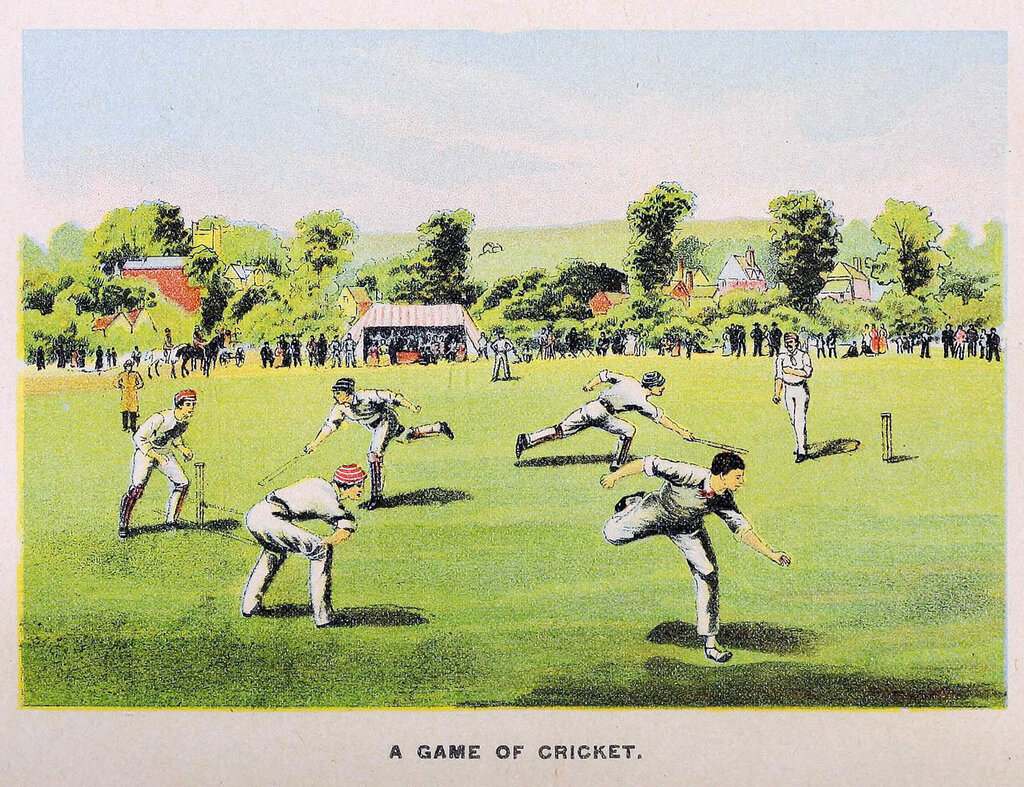
As the British Empire expanded, cricket traveled with it. Today, it's one of the most popular sports in the world, followed passionately by billions of people. While its origins are English, its heart beats strongest in places like India, Pakistan, Australia, South Africa, New Zealand, and the island nations of the West Indies. Each country adds its own unique flavor to the game.
The Objective
At its core, cricket is a contest between two teams of eleven players. The goal is simple: score more runs than your opponent. The game is divided into parts called innings. In an inning, one team bats and tries to score runs, while the other team bowls and fields, trying to get the batters out.
A run is scored when a batter hits the ball and runs from one end of a central strip, called the pitch, to the other.
The pitch is the heart of the action. At each end of the 22-yard pitch stands a target called a wicket. The batting team sends out two players at a time, one to defend each wicket. The fielding team has a bowler who throws the ball from one end of the pitch to the batter at the opposite end.
Players and Their Tools
Each of the eleven players on a team has a role, but these roles can be specialized. The main roles are batsman, bowler, and fielder.
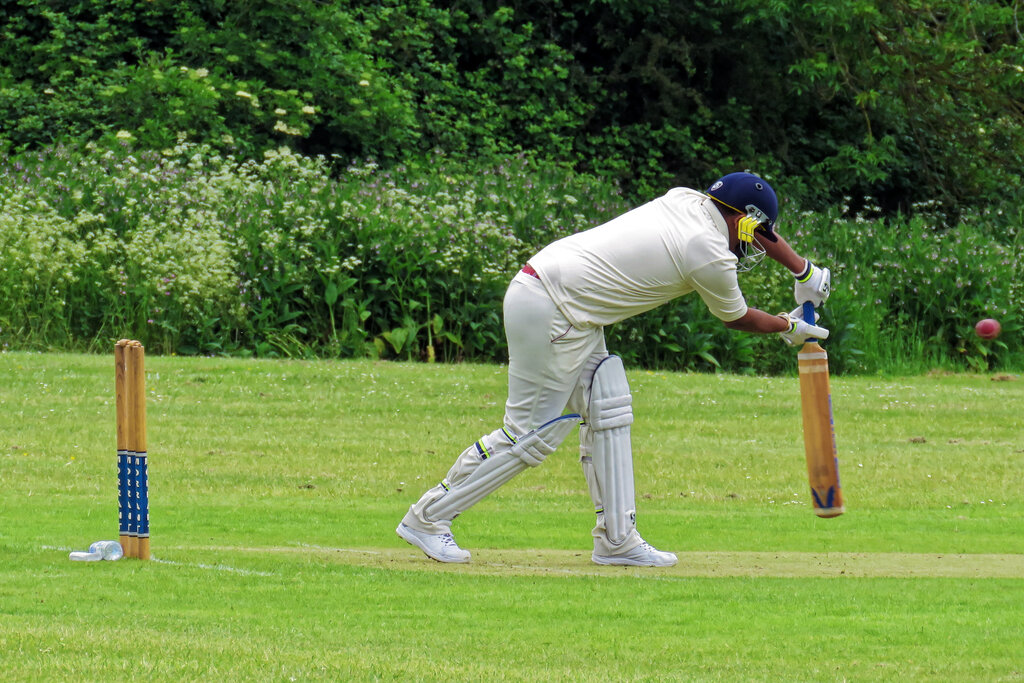
Batsmen are the run-scorers. Their goal is to hit the ball bowled at them and run between the wickets, while also defending their wicket from being hit by the ball.
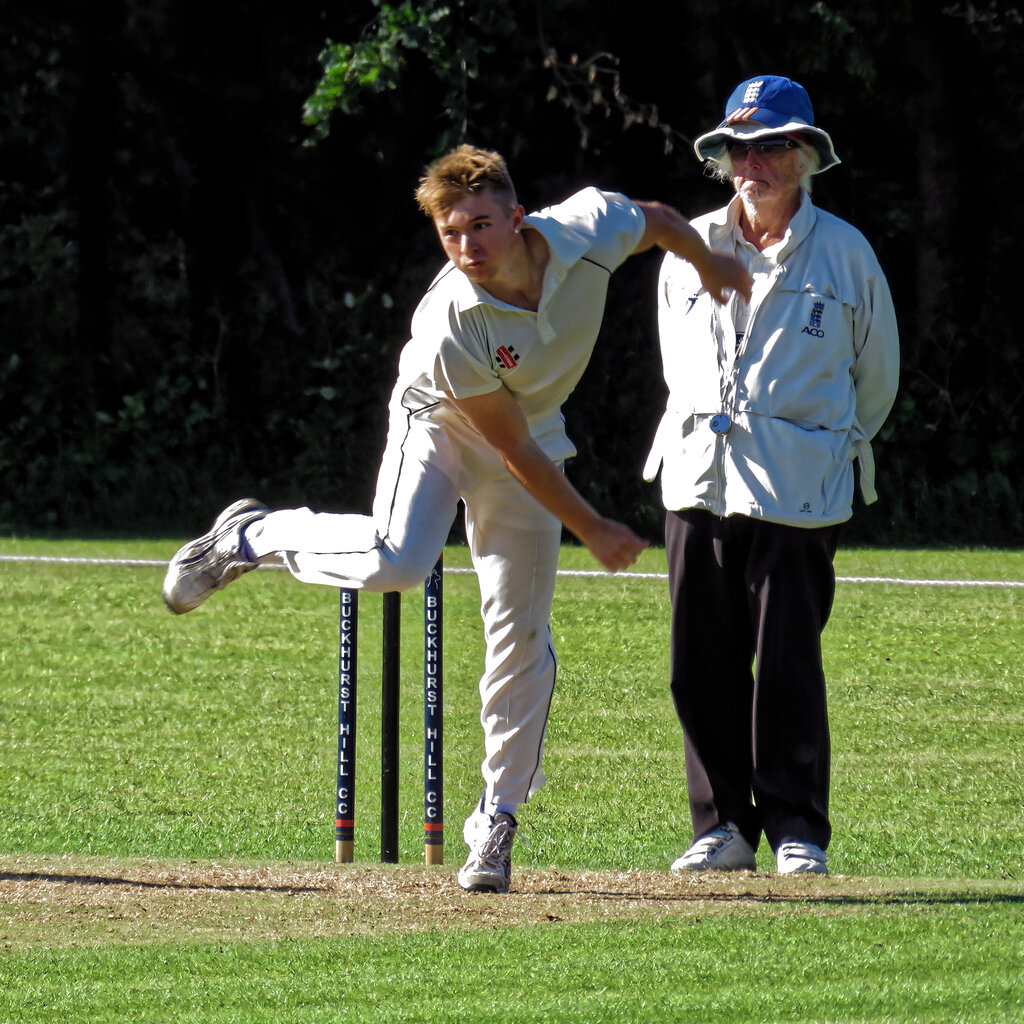
Bowlers aim to get the batsmen out. They do this by bowling the ball overarm towards the wicket. If the ball hits the wicket and dislodges the small pieces of wood on top, the batsman is out. There are other ways to get a batsman out, but this is the most direct.
The wicket-keeper is a specialist fielder who stands behind the batsman's wicket. They wear protective gear, including padded gloves, and their job is to stop balls the batsman misses.
The other nine players are fielders, positioned strategically around the field. Their job is to stop the ball after the batsman hits it, preventing runs and trying to catch the ball before it bounces to get the batsman out.
The Equipment
Cricket equipment is distinct and designed for the specific challenges of the game.
| Equipment | Description |
|---|---|
| Bat | Made of willow wood, it has a flat face for striking the ball. |
| Ball | A hard, solid ball made with a cork core and covered in leather. |
| Wicket | Composed of three vertical wooden posts (stumps) with two small horizontal pieces (bails) resting on top. |
wicket
noun
One of the two sets of three stumps and two bails at either end of the pitch. The term can also refer to the act of a batsman getting out.
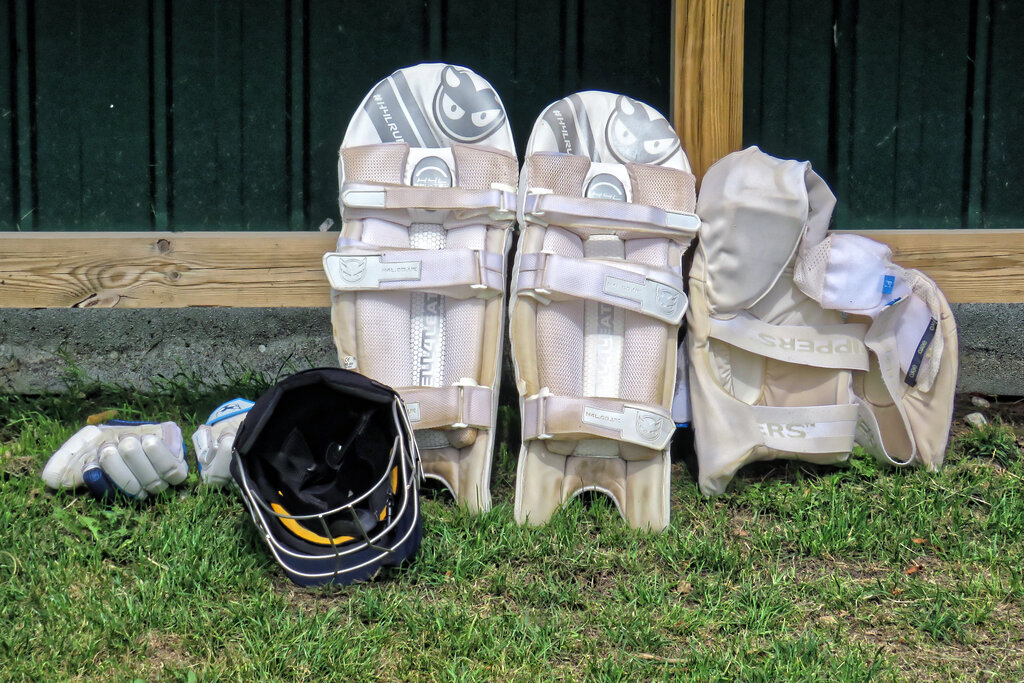
Because the ball is so hard, players wear protective gear to prevent injury. Batsmen and wicket-keepers wear pads on their legs, gloves on their hands, and a helmet with a faceguard.
With an understanding of the objective, the players, and the tools, you have the foundation to explore the deeper strategies and rules of this classic sport.