Introduction to Course Content
Defining Course Content
What Is Course Content?
Course content is everything a student reads, watches, hears, and does to learn a subject. Think of it as all the ingredients for a meal. The course itself is the recipe, guiding you on how to use the ingredients, but the content is the raw material of knowledge.
It's the tangible stuff that fills a course. This includes the text you're reading right now, the videos you might watch later, and any exercises you complete. The main goal of all this material is to help you achieve the course's learning objectives. Well-chosen content makes learning feel clear and effective. Poor content just leads to confusion.
Content is the substance of a course—the 'what' that is being taught and learned.
Common Forms of Content
Content isn't one-size-fits-all. Different forms serve different purposes. A good course mixes various types to keep things engaging and to explain ideas in the clearest way possible. Let's look at the most common categories.
Lectures
noun
A spoken presentation, either live or recorded, intended to teach people about a particular subject.
Lectures or presentations are often the backbone of a course. An expert guides you through new concepts, explains complex topics, and provides context that you might not get from just reading. They set the stage for deeper learning.
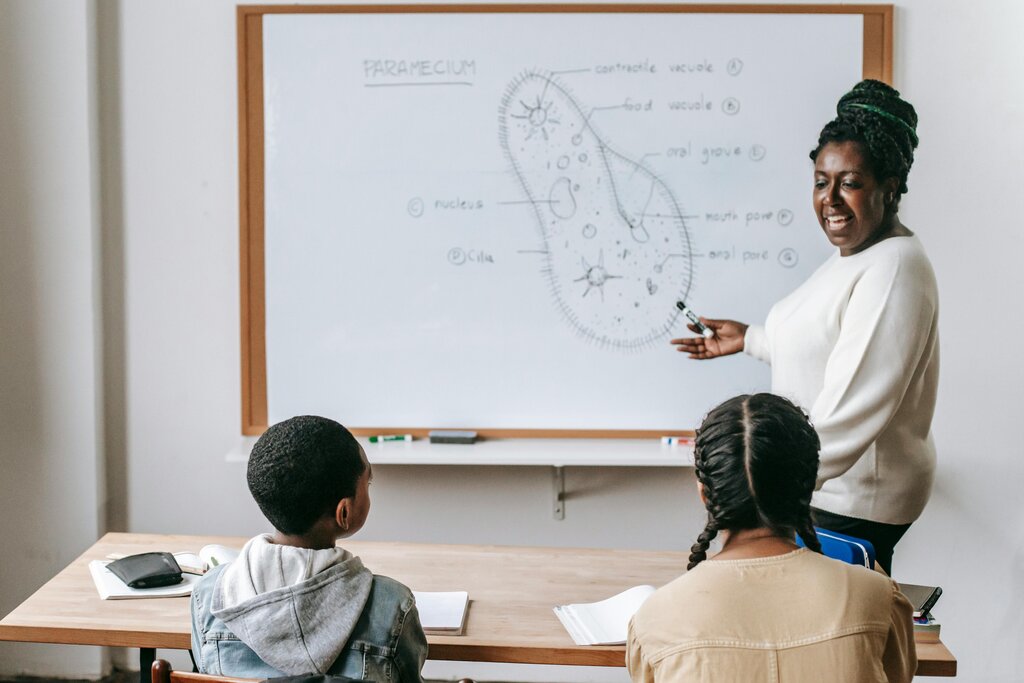
Next up are readings. These materials provide the detailed information that lectures introduce. They can be anything from textbook chapters and academic articles to case studies and blog posts.
Readings allow you to learn at your own pace and revisit information as needed. They are designed to build foundational knowledge and offer different perspectives on a topic.
If a lecture is the guided tour, readings are the detailed map you use to explore on your own.
Then we have assignments and activities. This is where you roll up your sleeves and put your knowledge to work. Assignments aren't just for grading; they are a crucial part of the learning process.
Completing problem sets, writing essays, working on projects, or participating in discussions forces you to apply what you've learned. This active engagement is what makes knowledge stick.
Finally, there's multimedia. This broad category includes anything visual or auditory, like videos, podcasts, interactive simulations, and infographics. Multimedia can make abstract concepts more concrete and learning more dynamic. For example, watching a video of a physics experiment is often much clearer than just reading a description of it.
| Content Type | Primary Goal |
|---|---|
| Lectures | Introduce concepts and provide expert context. |
| Readings | Offer detailed, foundational knowledge. |
| Assignments | Solidify learning through application and practice. |
| Multimedia | Illustrate ideas and engage different senses. |
Understanding these different types of content is the first step in seeing how a course is built. Each piece has a specific role to play in your learning journey.