Introduction to Conversational AI
Introduction to Conversational AI
Making Computers Talk
Conversational AI is technology that lets us talk to computers using everyday language. Instead of clicking buttons or typing rigid commands, you can have a back-and-forth conversation, much like you would with another person. This includes everything from chatbots on websites to the voice assistant on your phone.
The goal is to make technology feel less like a machine and more like a helpful partner.
Why does this matter? Because it makes technology more accessible and efficient. It allows businesses to provide instant customer support 24/7, helps you quickly find information by just asking a question, and gives you hands-free control over your devices. By using language—our most natural form of communication—we lower the barrier to using powerful tools.
Where You'll Find It
Conversational AI isn't a futuristic concept; it's already integrated into many parts of our daily lives. You’ve likely used it without even thinking about it.
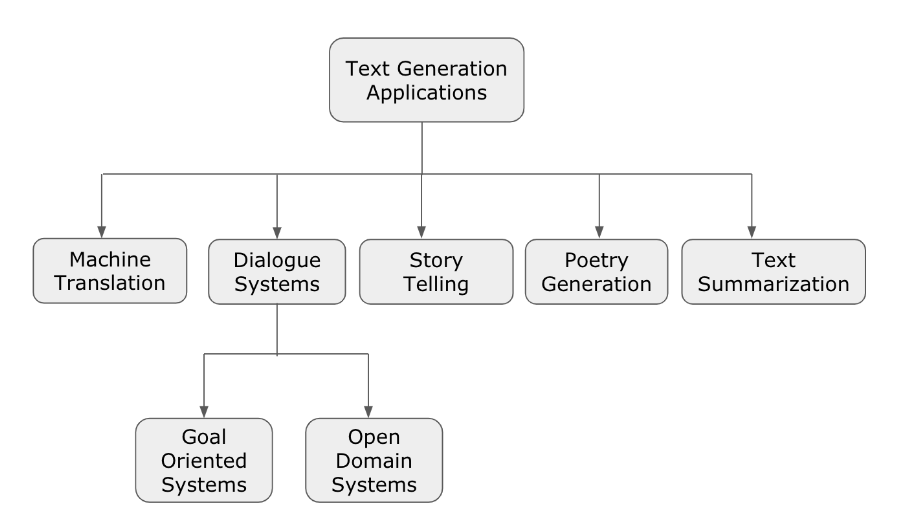
Common applications include:
- Customer Service: Chatbots on websites answer frequently asked questions, help you track an order, or connect you with a human agent if needed.
- Voice Assistants: Tools like Siri, Alexa, and Google Assistant use conversational AI to set timers, play music, answer trivia, and control smart home devices.
- Healthcare: AI-powered systems can help schedule appointments, remind patients to take medication, or provide information on symptoms.
- E-commerce: Chatbots can act as personal shoppers, recommending products based on your preferences and previous purchases.
- Education: Interactive tutors can help students practice a new language or explain complex topics in a conversational way.
From Simple Rules to Smart Chat
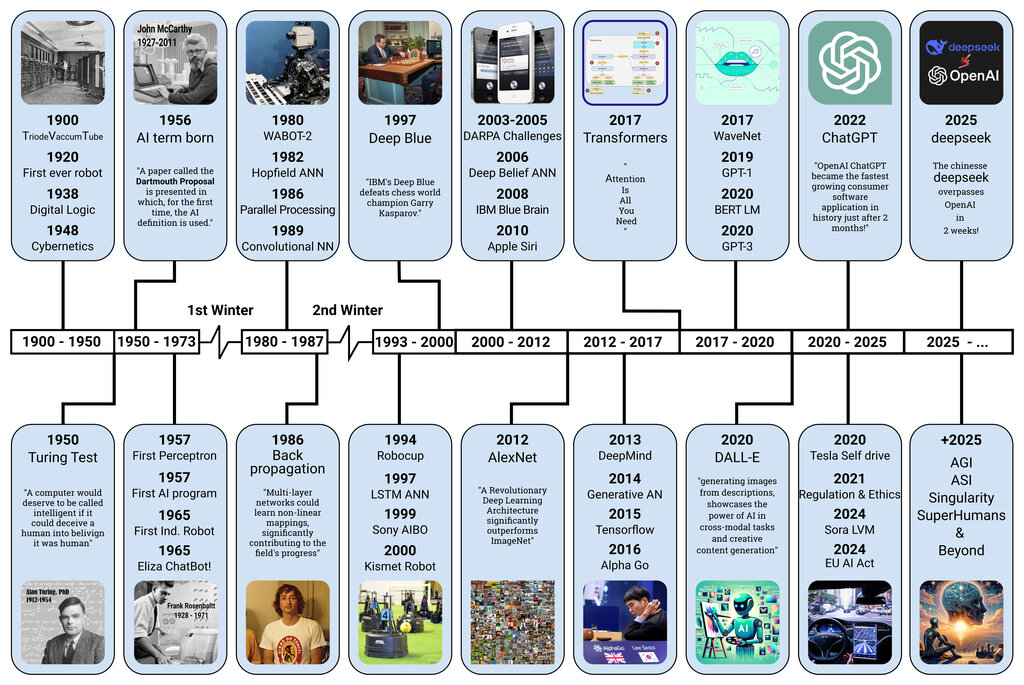
The idea of talking to computers has been around for decades, but the technology has evolved dramatically. Early chatbots from the 1960s, like a program named ELIZA, were simple. They worked by recognizing keywords in what you typed and responding with a pre-programmed, scripted answer. They didn't understand context, they just matched patterns.
If you told ELIZA, "My head hurts," it might respond, "Why do you say your head hurts?" It was a clever trick, but it wasn't a real conversation.
The big shift came with machine learning. Instead of relying on hand-written rules, systems began learning from vast amounts of text and conversation data. This allowed them to understand a much wider range of questions and provide more relevant, less robotic answers. The introduction of voice assistants in the 2010s brought this technology into millions of homes. More recently, the development of large language models (LLMs) has enabled AI to have surprisingly fluid, creative, and context-aware conversations.
How It Works, Simply
While the technology behind modern conversational AI is complex, the basic process can be broken down into a few key steps. It's a cycle of listening, thinking, and responding.
First, the system takes your input, whether it's spoken words or typed text. This is the Input Processing stage. If you speak, it converts your voice into text.
Next comes Understanding & Decision Making. This is where the AI works to figure out what you mean. It analyzes the grammar, identifies keywords, and tries to determine your intent—the goal you're trying to achieve. Is it a question? A command? A simple statement?
Finally, the system enters the Response Generation stage. Based on its understanding of your intent, it formulates a reply. This could be a direct answer, a clarifying question, or an action like playing a song. The response is then converted back into speech if it's a voice assistant, or displayed as text.
This whole cycle happens in a split second, creating the illusion of a seamless conversation. Now you know the basic ideas behind how these helpful AI assistants work.