Introduction to Computer Vision
Introduction to Computer Vision
What Is Computer Vision?
Humans are visual creatures. We navigate, identify, and understand the world largely through our eyes. Computer vision is the science of teaching computers to do the same thing: to see, process, and understand visual information from images and videos.
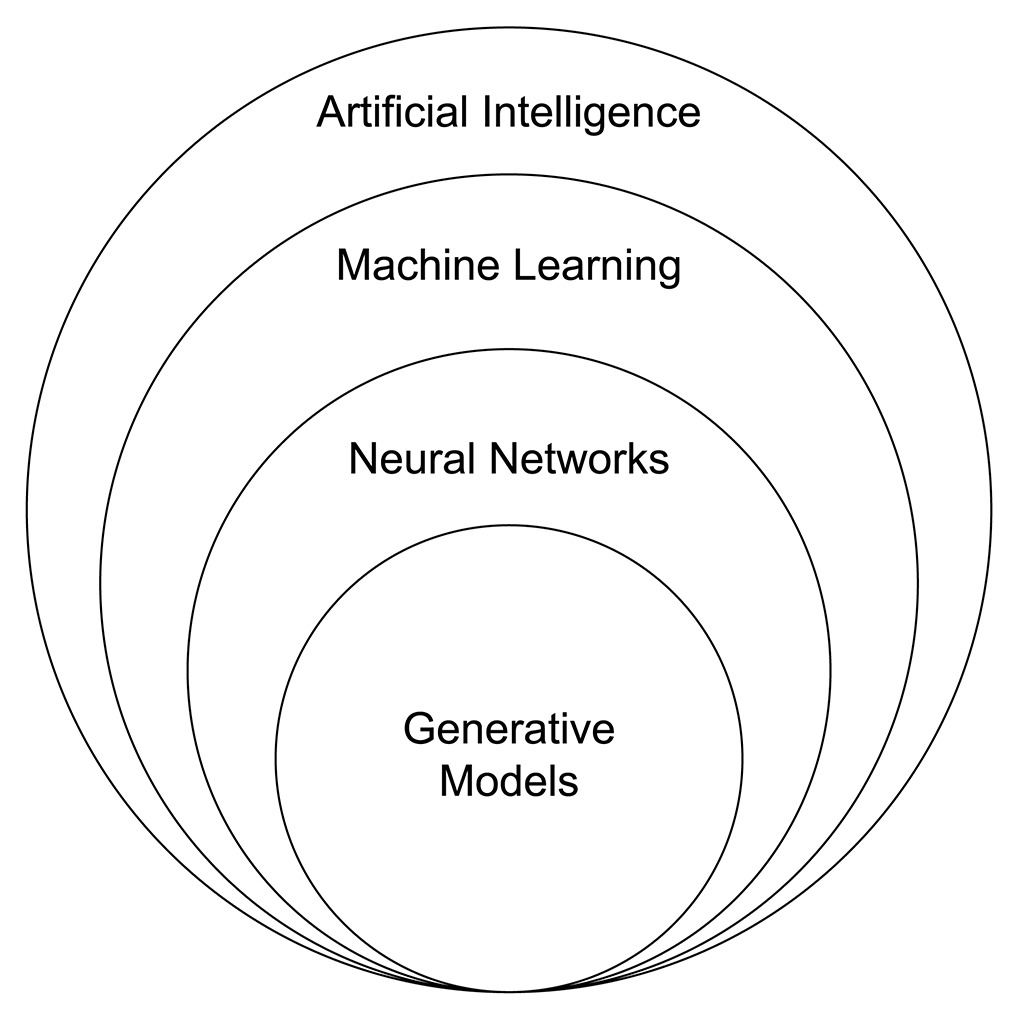
Computer vision is a field of artificial intelligence (AI) and computer science that focuses on enabling machines to interpret, process, and analyze visual data from the world.
Think about what happens when you look at a picture of a cat. You don't just see a collection of colors and shapes. You instantly recognize a cat, its breed, its mood, and its surroundings. The goal of computer vision is to give machines that same level of deep, contextual understanding.
A Brief History
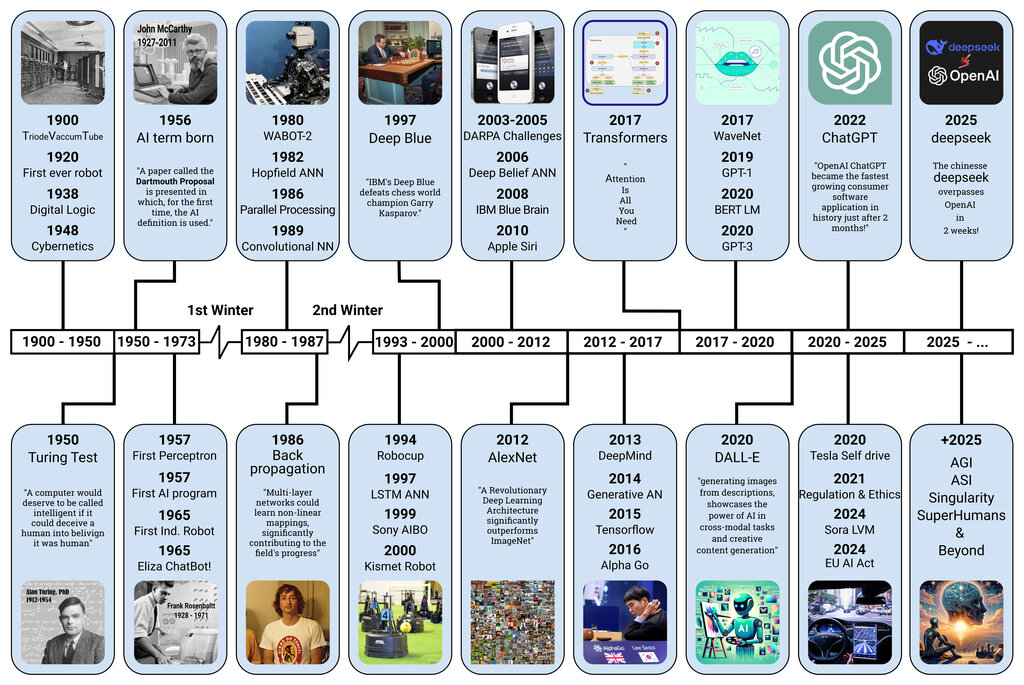
The dream of giving sight to machines is not new. The field officially began in the 1960s, sparked by early experiments to connect a camera to a computer and have it describe what it saw. Early progress was slow, as researchers grappled with the sheer complexity of visual information.
A major breakthrough came in the 2010s with the rise of deep learning and neural networks. These new techniques, powered by massive datasets and powerful computers, allowed models to learn visual patterns with unprecedented accuracy. This revolution is what catapulted computer vision from research labs into our daily lives.
How Computers See
Unlike us, computers don't see pictures; they see data. An image is just a grid of numbers, where each number represents the color and brightness of a single pixel. The challenge is teaching a computer to find meaningful patterns—like edges, shapes, and textures—within this sea of numbers.
To do this, computer vision systems typically follow a series of steps known as a pipeline.
1. Image Acquisition: This is the starting point, where a camera or sensor captures the visual data.
2. Pre-processing: The raw image is cleaned up to improve its quality. This might involve adjusting brightness, removing noise, or resizing the image.
3. Feature Extraction: The system identifies the most interesting and informative parts of the image, such as edges, corners, or specific textures. This is a critical step that reduces complexity and focuses on what's important.
4. Recognition & Classification: Finally, the extracted features are used to make a decision. The system might classify an object (e.g., "this is a cat"), detect multiple objects, or segment the image into different regions.
Computer Vision in Action
Today, computer vision is everywhere. It's the technology that allows your phone to recognize your face, lets self-driving cars navigate roads, and helps doctors spot diseases in medical scans.
In manufacturing, it automates quality control by detecting defects on assembly lines. In retail, it can analyze store traffic and manage inventory. In agriculture, it helps monitor crop health from drones. The applications are constantly expanding as the technology gets more powerful and accessible.
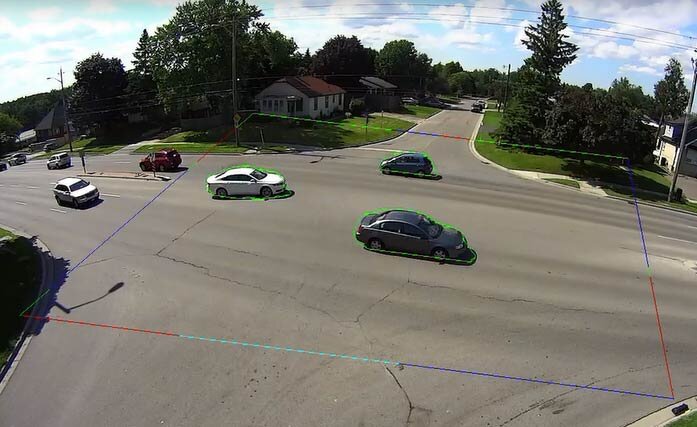
Despite the incredible progress, significant challenges remain. Computers can still be fooled by tricky lighting, unusual camera angles, or objects that are partially hidden. Making systems that are as robust and flexible as the human visual system is the ongoing quest of computer vision researchers.
What is the primary goal of computer vision?
The widespread application of computer vision in daily life was significantly accelerated by the rise of deep learning and neural networks in the 2010s.
Computer vision has transformed from a futuristic idea into a practical tool that shapes our interaction with the digital and physical world. By understanding its core concepts, we can better appreciate the technology that is increasingly becoming the eyes of our machines.