Introduction to Computer Science
Introduction to Computer Science
What is Computer Science?
Computer science is the study of how to solve problems using computers. It’s not just about coding or using the latest apps. At its heart, it’s a field of problem-solving that explores what computers can and can’t do.
Think of it like building a city. You have theorists who figure out the best ways to structure things, like a city planner designing a road network. You have software engineers who act like architects and construction crews, building the applications and systems we use every day. And you have network specialists who manage the flow of traffic, ensuring everything runs smoothly. Computer science covers all these roles and more, from designing tiny chips to creating vast global networks.
Computer science is a vast and multifaceted field but at its core, it's the study of computation, information, and automation.
Hardware vs. Software
Every computer system is made of two fundamental parts: hardware and software. They work together, and one is useless without the other.
Hardware refers to the physical components you can actually touch. This includes the central processing unit (CPU), which is the brain of the computer, the memory (RAM) where it holds temporary information, the hard drive for long-term storage, and all the peripherals like your keyboard, mouse, and monitor.
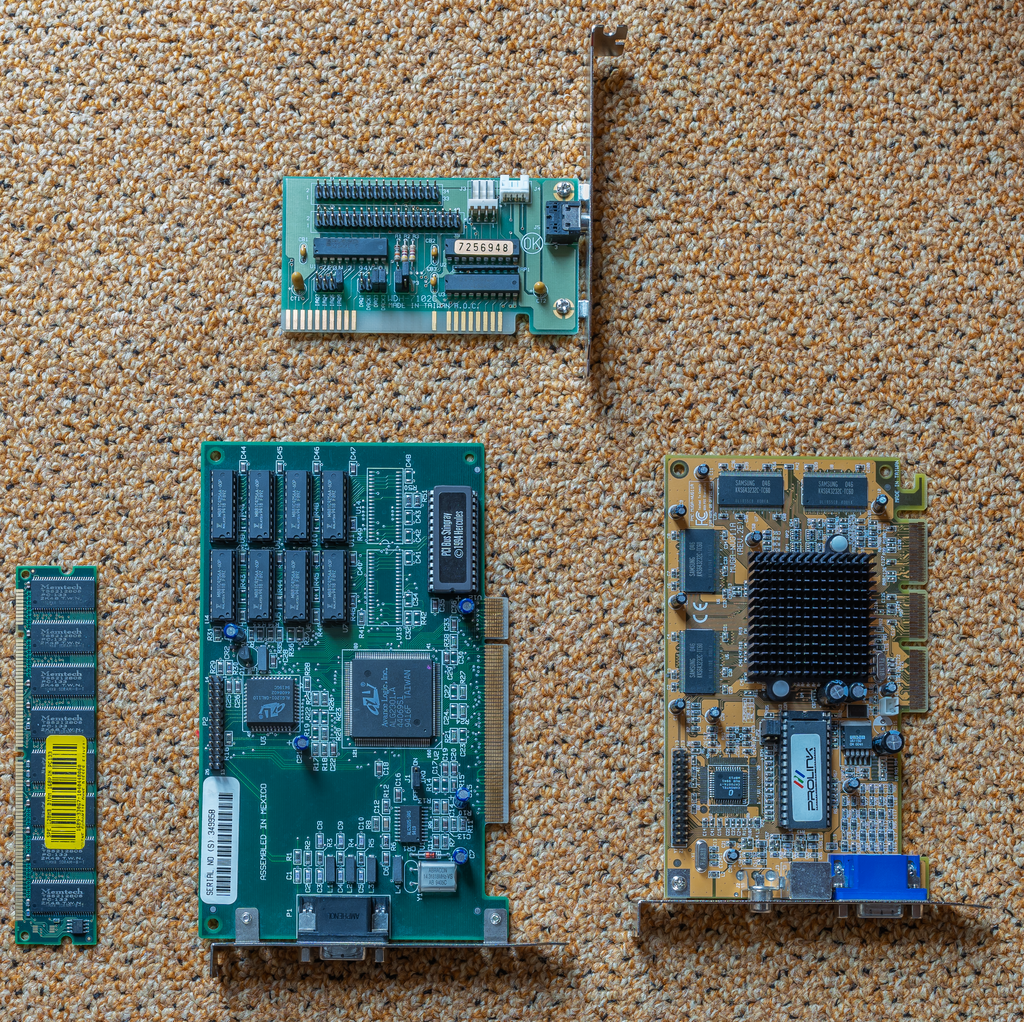
Software, on the other hand, is the set of instructions that tells the hardware what to do. You can't touch software. It includes everything from the operating system (like Windows or macOS) that manages the hardware, to the web browser you're using, to the games you play.
A good analogy is a piano. The piano itself—the keys, strings, and pedals—is the hardware. The sheet music, which contains the instructions for playing a song, is the software. Without the music, the piano is silent. Without the piano, the music is just paper.
How a Computer Works
At its most basic level, a computer performs four main functions: input, processing, storage, and output. This is often called the IPOS cycle.
- Input: You provide data to the computer. When you type on your keyboard, click your mouse, or speak into a microphone, you're giving it input.
- Processing: The Central Processing Unit (CPU) takes that input and performs instructions on it. This is where the 'thinking' happens, like calculating numbers, sorting data, or rendering a web page.
- Storage: The computer needs to store data, both temporarily and long-term. Random Access Memory (RAM) is used for short-term storage while the computer is on, and a hard drive or solid-state drive (SSD) is for long-term storage.
- Output: After processing the data, the computer shows you the result. This could be text appearing on your screen, sound coming from your speakers, or a document printing.
For example, when you write an email: Your typing is the input. The computer processing your keystrokes into letters. The email is held in storage as you write it. What you see on the screen is the output.
The Language of Computers
Computers don't understand words or numbers the way we do. Their world is much simpler. They operate using a system called binary, which is a language made up of only two symbols: 0 and 1. Each 0 or 1 is called a bit.
bit
noun
The smallest unit of data in a computer, represented as either a 0 or a 1. Short for 'binary digit'.
Think of a light switch. It can only be in one of two states: on or off. We can decide that 'on' represents 1 and 'off' represents 0. A computer is essentially made of billions of these tiny electronic switches. By combining these bits in long sequences, computers can represent any piece of information, from a letter in the alphabet to a color in a picture or a note in a song.
| Decimal Number | Binary Representation |
|---|---|
| 0 | 0000 |
| 1 | 0001 |
| 2 | 0010 |
| 3 | 0011 |
| 4 | 0100 |
| 5 | 0101 |
For instance, the letter 'A' might be represented by the binary code 01000001. A computer reads this sequence of ons and offs and knows to display an 'A' on the screen. It's a simple foundation, but it allows for all the incredible complexity we see in modern technology.
What is the fundamental focus of computer science?
In the analogy of a piano, the piano itself represents the hardware. What does the sheet music represent?
This is just the first step into the world of computer science. Understanding these core ideas—what computer science is, the roles of hardware and software, the IPOS cycle, and the binary system—gives you the foundation for everything that comes next.