Introduction to Computer Science
Introduction to Computer Science
What Is Computer Science?
Many people think computer science is just about programming. That's a bit like saying biology is just about looking through a microscope. It's part of it, but it's not the whole story.
At its heart, computer science is the study of problem-solving. It's about understanding what can be computed, how to compute it, and how to do so efficiently. It deals with information, automation, and the fundamental principles of computation itself.
Think of it this way: a programmer is like a chef who knows how to follow a recipe. A computer scientist is like a food scientist who understands why that recipe works—the chemistry of flavors, the physics of heat, and how to create entirely new recipes from scratch.
Computer science gives us the tools to tell computers what to do, from sorting a list of names to guiding a spacecraft to another planet. It's a vast field with many specialized areas, each focused on a different kind of problem.
The Building Blocks
Computer science can be broken down into several core areas. While they often overlap, each has its own focus.
Algorithms & Data Structures: This is the heart of computer science. An algorithm is a step-by-step procedure for solving a problem, like a recipe. A data structure is a way of organizing and storing data to be used efficiently, like organizing ingredients in a pantry. The choice of algorithm and data structure can dramatically affect a program's performance.
Programming Languages: These are the languages used to write instructions for a computer. They bridge the gap between human language and the binary 1s and 0s that a computer understands. Some languages, like C++, give the programmer a lot of control over the hardware, while others, like Python, are designed for simplicity and speed of development.
Computer Architecture: This area deals with the design and structure of computer systems. It's about how the hardware components, like the processor (CPU), memory (RAM), and storage devices, are organized and how they work together to run software.
Software Engineering: This is the discipline of designing, building, and maintaining large, complex software systems. It involves project management, testing, and collaboration to ensure that software is reliable, efficient, and easy to maintain.
The programme provides students with a comprehensive understanding of core computer science concepts, including algorithms, data structures, software development, and computer architecture.
Beyond the Core
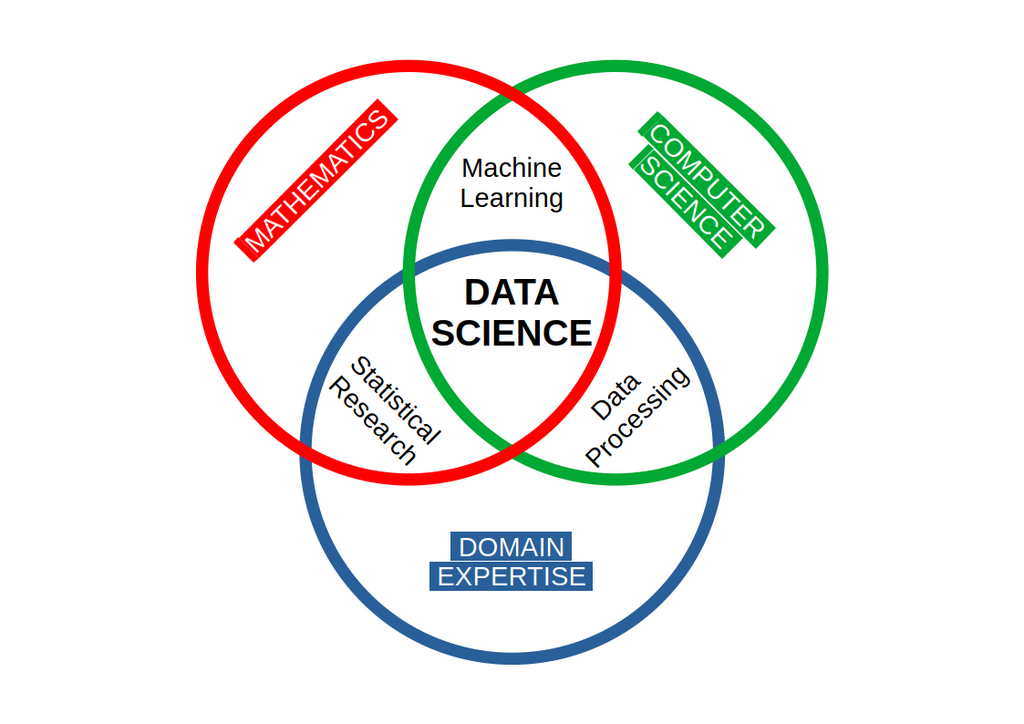
Computer science isn't just an isolated field; it's a tool that can be applied to almost any other discipline imaginable. Its interdisciplinary nature is one of its most powerful aspects.
Here are a few examples:
-
Biology: Computational biology and bioinformatics use computer science to analyze genetic sequences, model protein structures, and simulate ecosystems. This helps scientists understand diseases and develop new drugs.
-
Finance: Algorithms drive high-frequency trading on stock markets. Data science techniques are used to assess risk, detect fraud, and personalize financial advice.
-
Entertainment: From the computer-generated imagery (CGI) in movies to the physics engines in video games, computer graphics and simulation play a huge role in creating immersive digital worlds.
-
Linguistics: Natural Language Processing (NLP), a branch of artificial intelligence, allows computers to understand and process human language. This powers everything from translation apps to voice assistants like Siri and Alexa.
-
Art and Design: Generative art uses algorithms to create unique visual pieces, while computer-aided design (CAD) software is essential for architects and engineers.
Ready to check your understanding?
What is the most accurate description of computer science at its core?
A step-by-step procedure for solving a problem, much like a recipe, is called a(n) ________.
Understanding these foundational concepts is the first step. Computer science is a field that's constantly evolving, but these core ideas provide the base for everything that comes next.