Introduction to Computer Science
Introduction to Computational Thinking
A Framework for Problem-Solving
How do you solve a big, complicated problem? You might feel stuck, or maybe you just dive in and hope for the best. There’s a more structured way to think, one that’s especially useful for explaining solutions to a computer. It’s called computational thinking.
This isn't about thinking like a machine. It's a problem-solving process that breaks down challenges into steps a computer could execute. It’s a skill that’s useful everywhere, from planning a trip to building an app. It has four key parts.
Computational Thinking is a systematic approach to solving problems, involving breaking them down, identifying patterns, abstracting details, and developing algorithms.
Decomposition
The first step is decomposition. This means breaking a large, complex problem into smaller, more manageable parts. Each smaller part is easier to understand and solve.
Imagine you have to build a bicycle. The task seems huge. But if you decompose it, you get smaller tasks: build the frame, attach the wheels, install the handlebars, connect the chain, and add the brakes. Solving each of these smaller problems leads to a solution for the big one.
Pattern Recognition
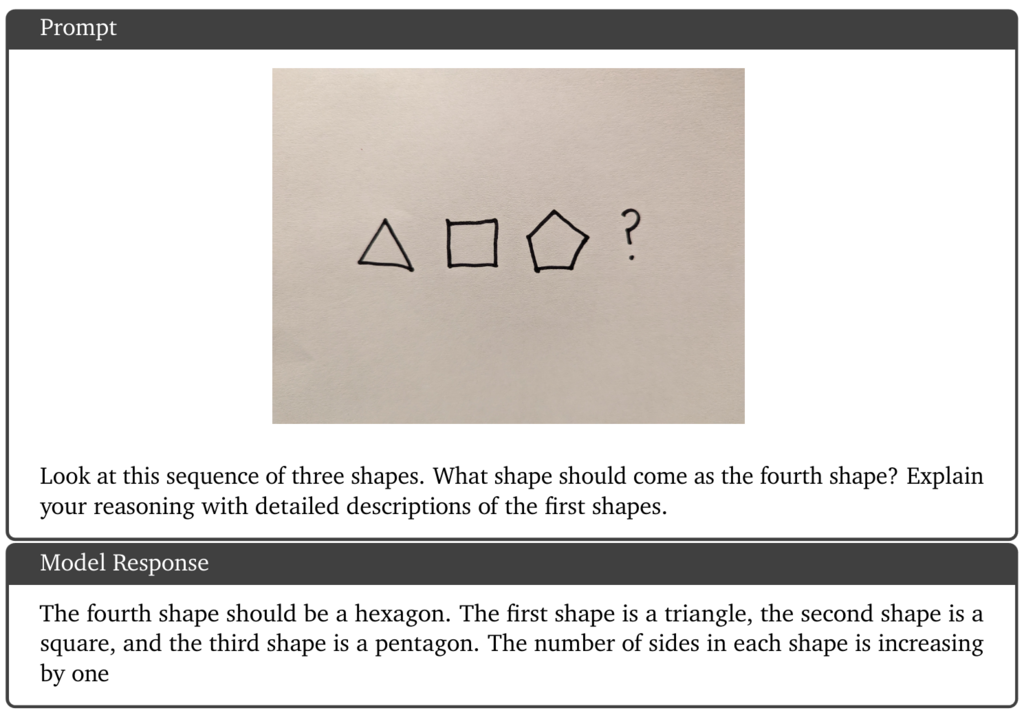
Once a problem is broken down, you can look for patterns. Are some of the smaller problems similar? Have you solved something like this before? Recognizing patterns helps you solve problems more efficiently. Instead of reinventing the wheel each time, you can apply a solution that has worked in the past.
For our bicycle example, the process of attaching a wheel involves securing nuts and bolts. This pattern is the same for both the front and back wheels. Once you figure out how to do it for one, you know how to do it for the other. This saves mental energy and time.
Abstraction
Abstraction is about focusing on the important details while ignoring what’s irrelevant. It’s the process of simplifying complexity by hiding unnecessary information.
Think of a subway map. It shows you the train lines, the stations, and where they connect. It doesn't show you every street, building, or park in the city. That information is irrelevant for getting from one station to another. The map is an abstraction of the city, simplified to help you solve a specific problem: navigating the subway.
In problem-solving, abstraction lets you create a general idea or model of the problem so you can focus on the core challenge without getting bogged down in minor details.
Algorithm Design
The final step is to design an algorithm. An algorithm is a step-by-step set of instructions for solving a problem or completing a task. It's the 'recipe' that anyone, or any computer, can follow to achieve a specific outcome.
After decomposing the problem, finding patterns, and abstracting the details, you can develop a clear plan of action. For building the bicycle, the algorithm might look like this:
- Assemble the frame.
- Attach the front wheel.
- Attach the back wheel.
- Install the chain.
- And so on, until the bicycle is complete.
Each step is clear, precise, and unambiguous. This is the essence of computational thinking: turning a complex problem into a clear set of instructions that leads to a solution.
Which of the following best describes computational thinking?
Breaking a large, complex problem into smaller, more manageable parts is known as _________.
These four pillars—decomposition, pattern recognition, abstraction, and algorithms—form a powerful toolkit for thinking through problems of all kinds.